20 First Apartment Decorating Ideas Every Beginner Needs to Try
So you finally got your own place. The keys are in your hand, the walls are bare, and you’re standing in the middle of an empty room thinking — where do I even start?
That feeling is completely normal. Every person who’s ever decorated a first apartment has stood exactly where you’re standing right now. The good news? You don’t need a big budget, an interior design degree, or weeks of planning. You just need the right ideas — and that’s exactly what we’re here for.
This guide walks you through 20 of the most practical, stylish, and budget-friendly decorating ideas for first apartments. These aren’t vague tips like “add some plants.” These are real, actionable ideas you can start using this weekend. Let’s get into it.
Why Your First Apartment Decoration Actually Matters
Before we dive into the ideas, let’s be honest about something most decorating blogs skip. Your environment directly affects your mood, your energy, and even your productivity. A cold, cluttered, or empty apartment doesn’t just look bad — it feels bad to live in every single day.
When you take the time to make your first apartment feel like yours, something shifts. You start enjoying being home. You feel more relaxed, more creative, and more like yourself. That’s the real goal here — not just aesthetics, but a space that genuinely supports your life.
Idea 1: Start With a Neutral Base and Layer Color Slowly
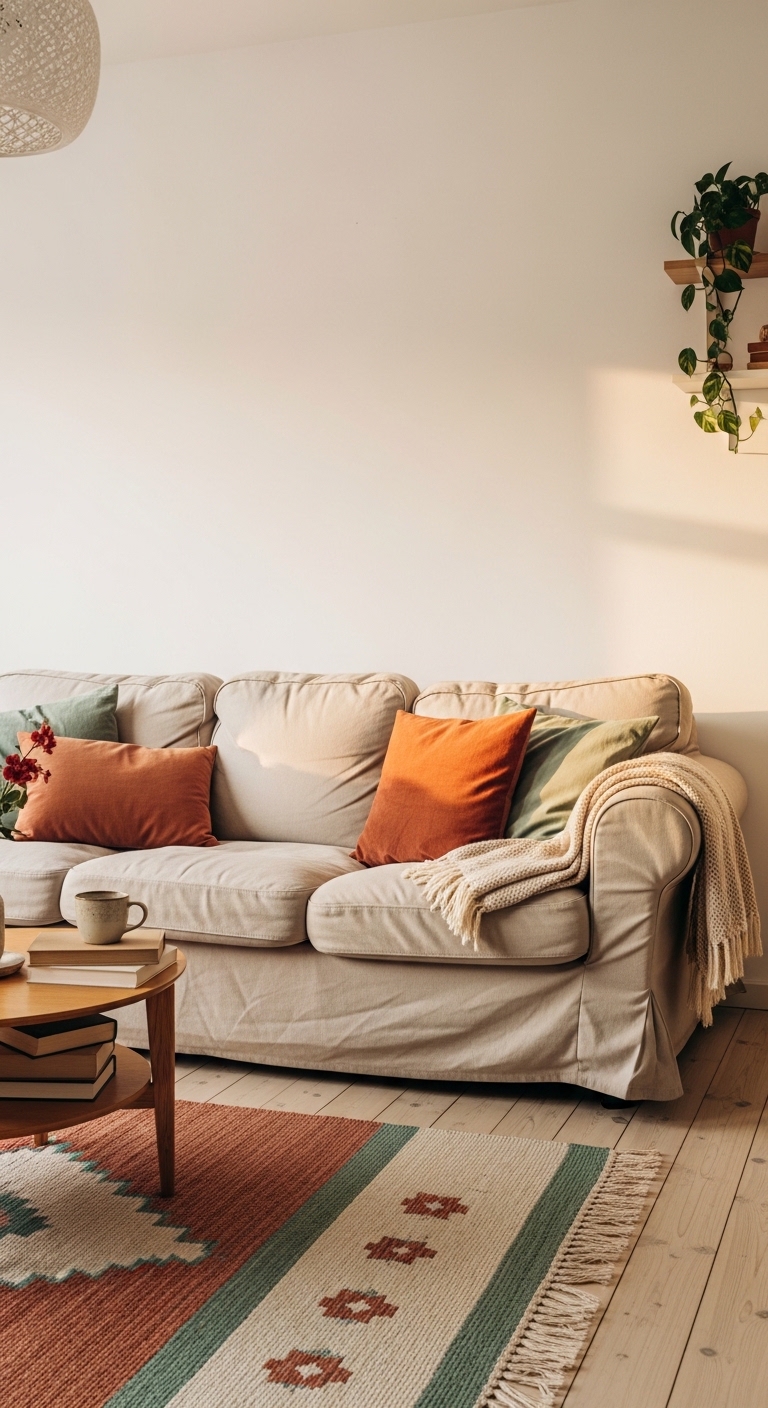
One of the biggest mistakes first-time apartment decorators make is rushing to buy colorful furniture before they know the vibe they want. Start with neutral walls (most rentals already have white or off-white), a neutral sofa, and light-toned furniture. Then slowly layer in your personality through:
- Throw pillows in your favorite colors
- A rug with a bold pattern
- Curtains in a warm or earthy tone
- Small décor pieces on shelves
This approach lets you change up the look without replacing big furniture pieces.
Idea 2: Use Rugs to Define Zones in an Open Layout
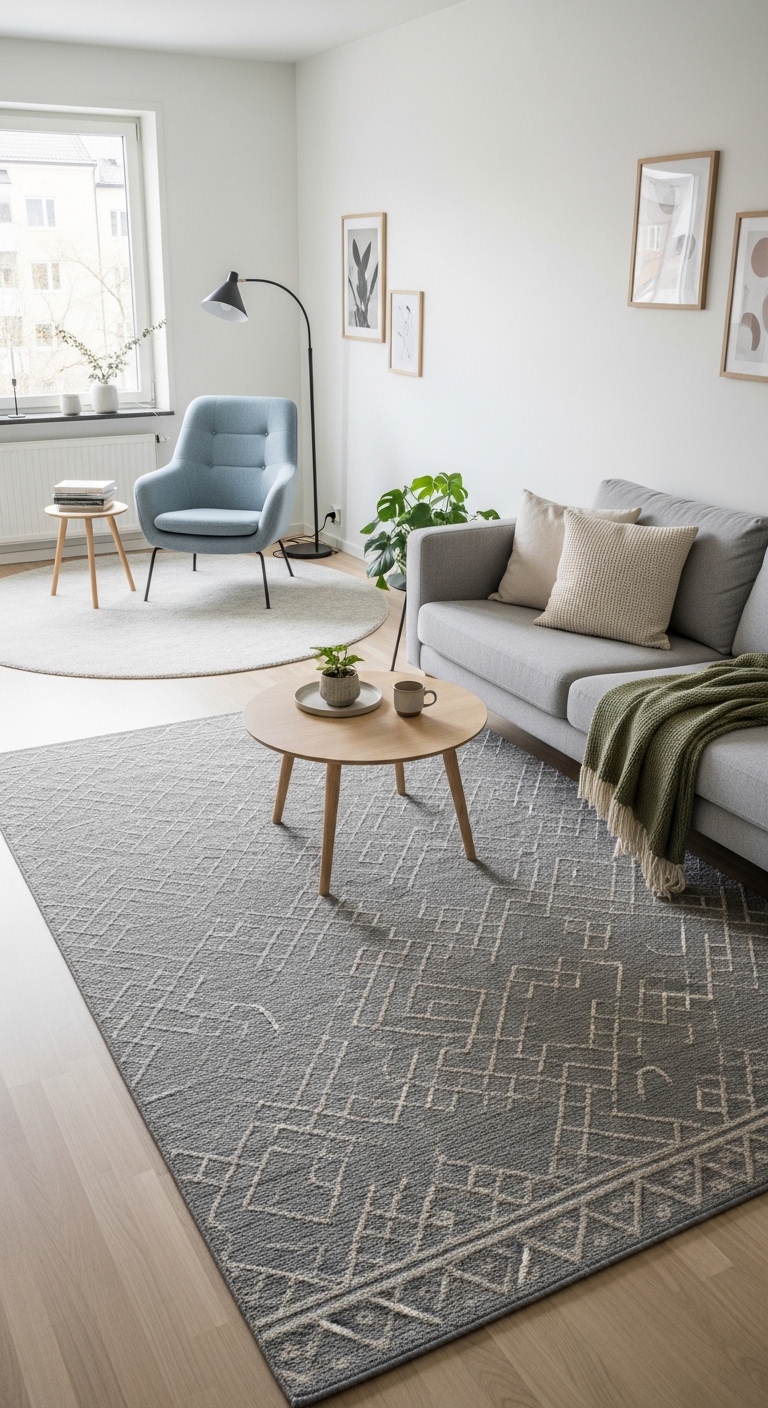
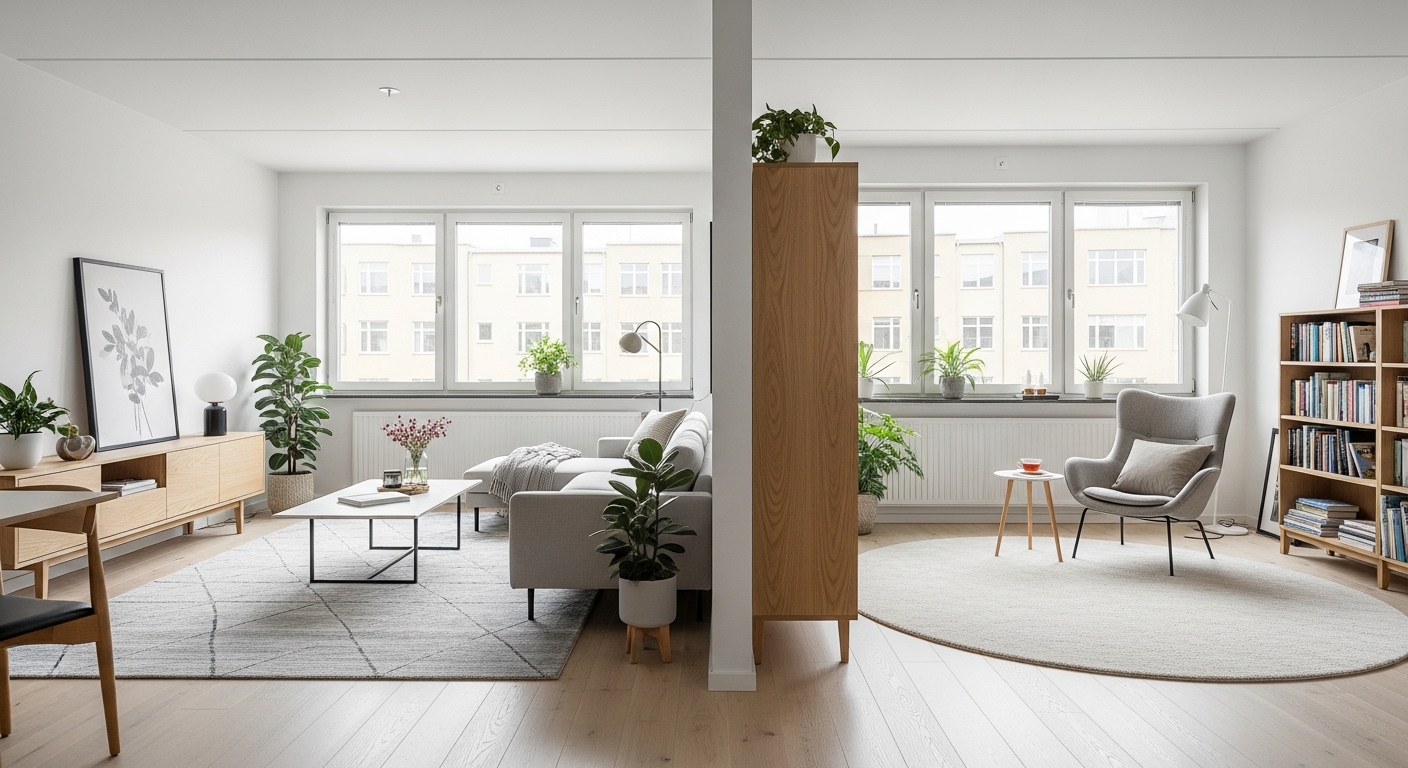
If you’re working with an open-plan studio or small apartment, rugs are your secret weapon. A single large rug under your sofa and coffee table instantly creates a “living room” zone even without walls. A smaller round rug near a chair creates a reading nook. The visual separation makes the space feel intentional and well-planned.
Pro tip: The rug should be large enough that at least the front legs of your sofa sit on it. A tiny rug floating in the middle of the room is one of the most common beginner mistakes.
Hang Curtains High and Wide
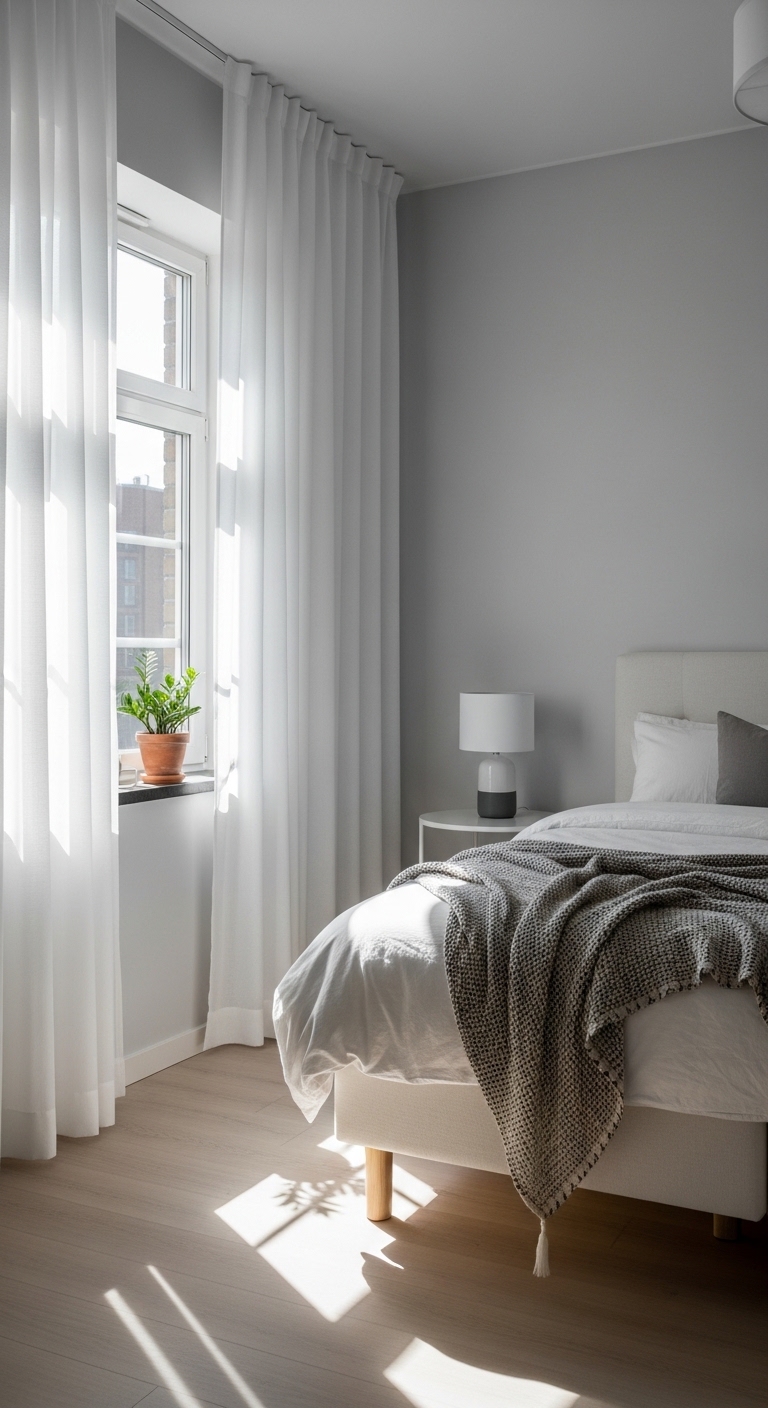
This trick costs almost nothing and makes a massive difference. Instead of hanging curtain rods just above the window frame, mount them as close to the ceiling as possible — and extend the rod at least 6 to 8 inches beyond each side of the window. This:
- Makes the room feel taller
- Makes windows look larger
- Makes natural light feel more dramatic
It’s one of those “designer tricks” that genuinely works for every single apartment.
Build a Gallery Wall That Tells Your Story
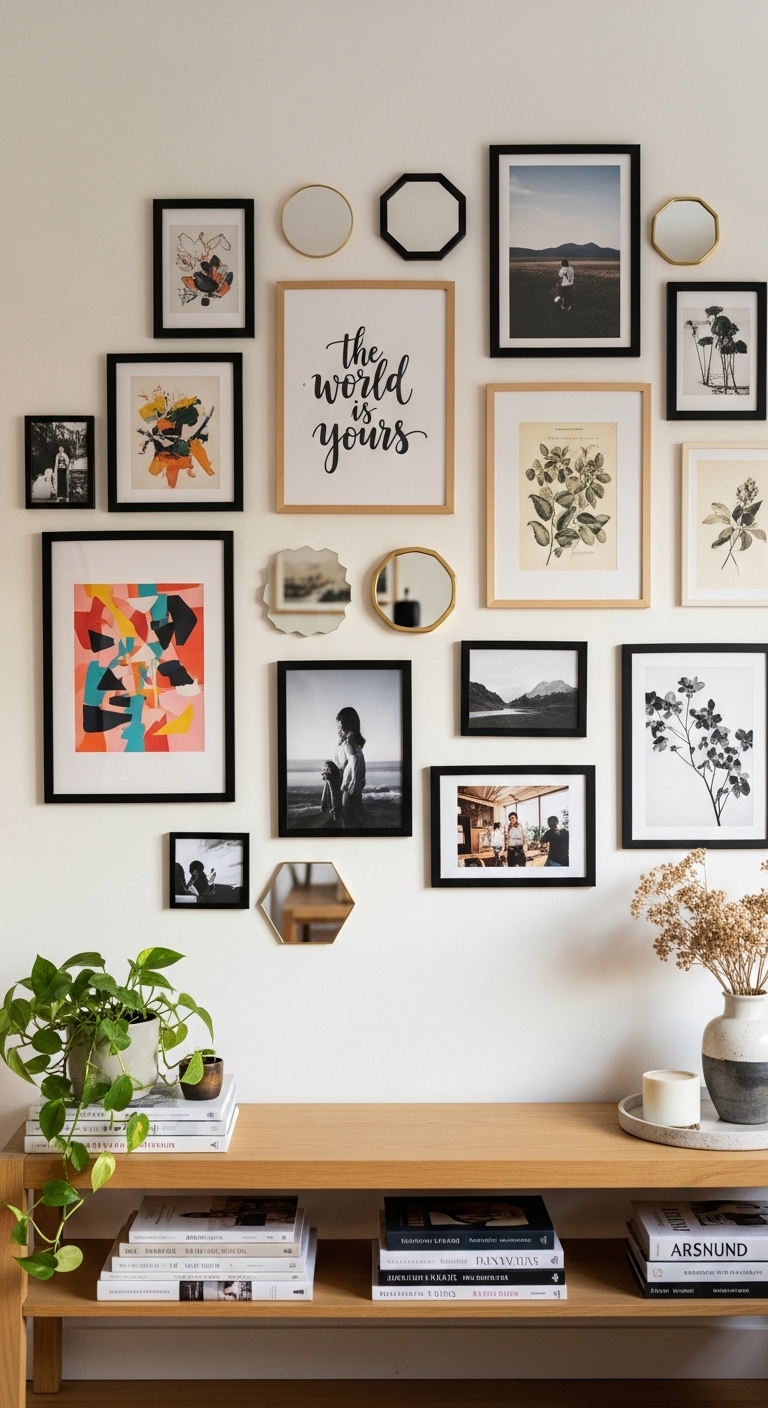
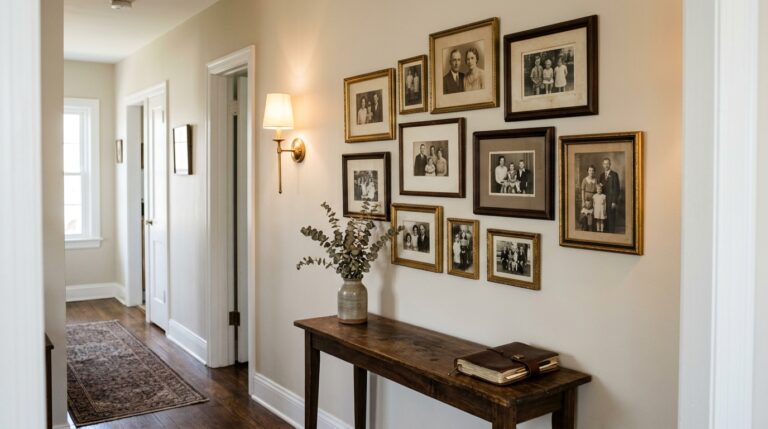
Blank walls are the number one giveaway that someone just moved in and hasn’t settled yet. A gallery wall fixes that instantly and makes the space feel personal and curated. You don’t need expensive original art. Mix:
- Printed photos from your travels or family moments
- Downloaded and printed digital art prints (many are free or $1-$5)
- Mirrors in interesting shapes
- Postcards or pages from old calendars
Lay everything out on the floor first before you hang a single nail.
Embrace Secondhand Furniture Without Apology
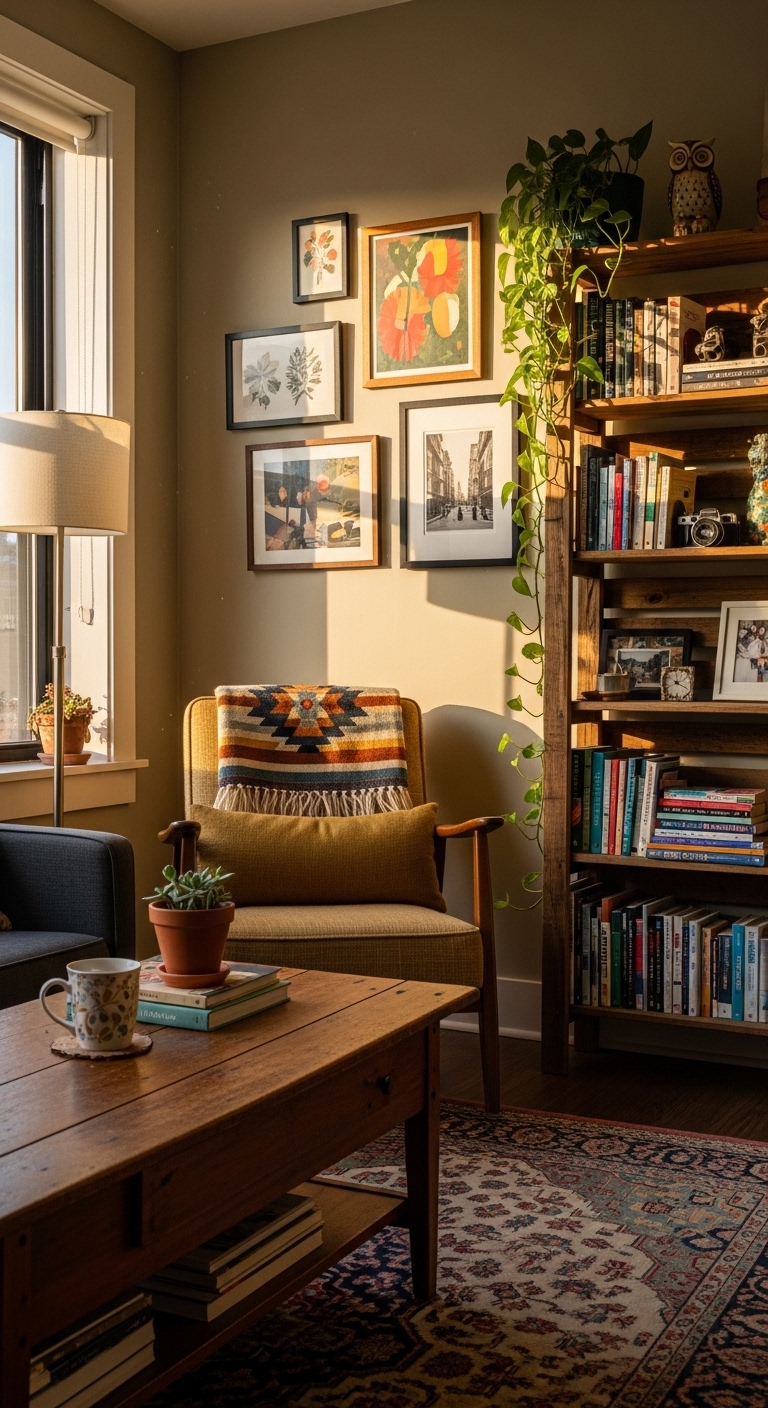
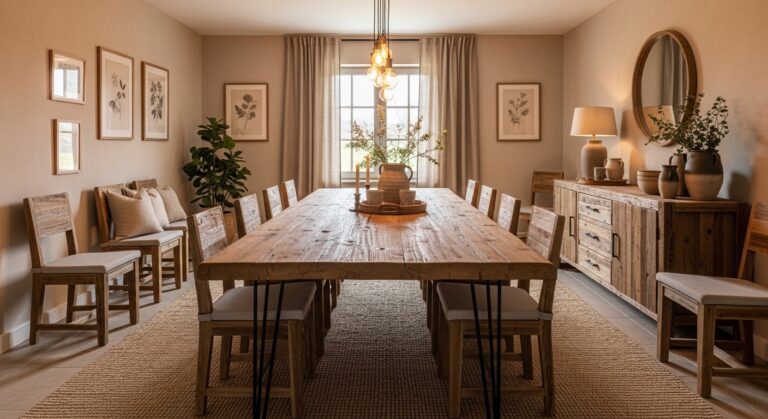
Here’s something seasoned decorators know but beginners often don’t: secondhand furniture almost always looks better than brand-new budget furniture. A solid wood dresser from a thrift store beats a flimsy particleboard one from a big-box retailer every single time.
Check Facebook Marketplace, thrift stores, estate sales, and apps like OfferUp. You’ll find real wood, real craftsmanship, and real character — often for 10-20% of the original price.
Add Life With Indoor Plants (Even If You’re Not “Plant Person”)
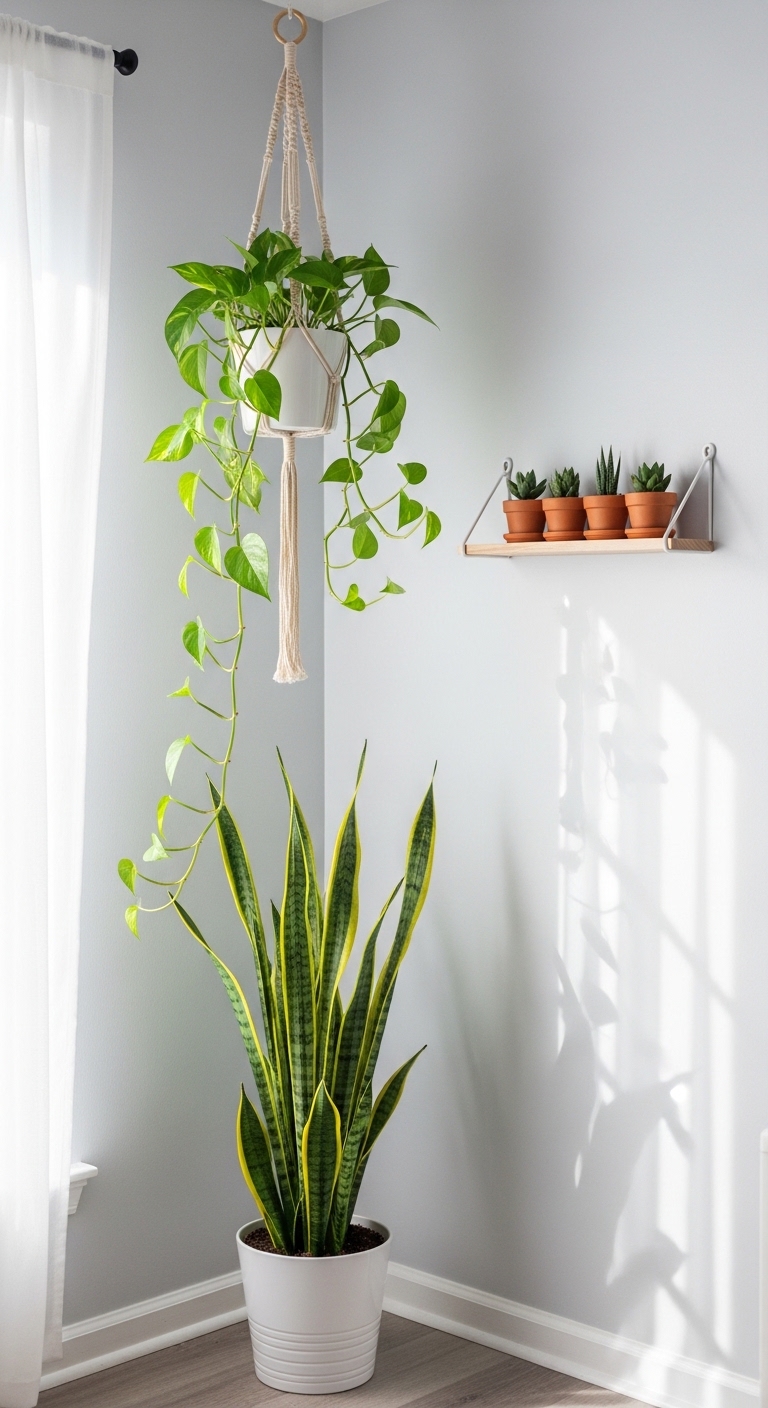
Plants do more for a space than almost anything else you can add. They bring color, texture, life, and a sense of calm to even the most basic apartment. If you think you can’t keep plants alive, start with:
- Snake plant — thrives on neglect, loves low light
- Pothos — nearly indestructible, grows fast
- ZZ plant — perfect for dark apartments
- Succulents — great for sunny windowsills
One large plant in a corner creates an instant focal point. A cluster of small plants on a shelf adds depth and texture.
Create a Focal Point in Every Room
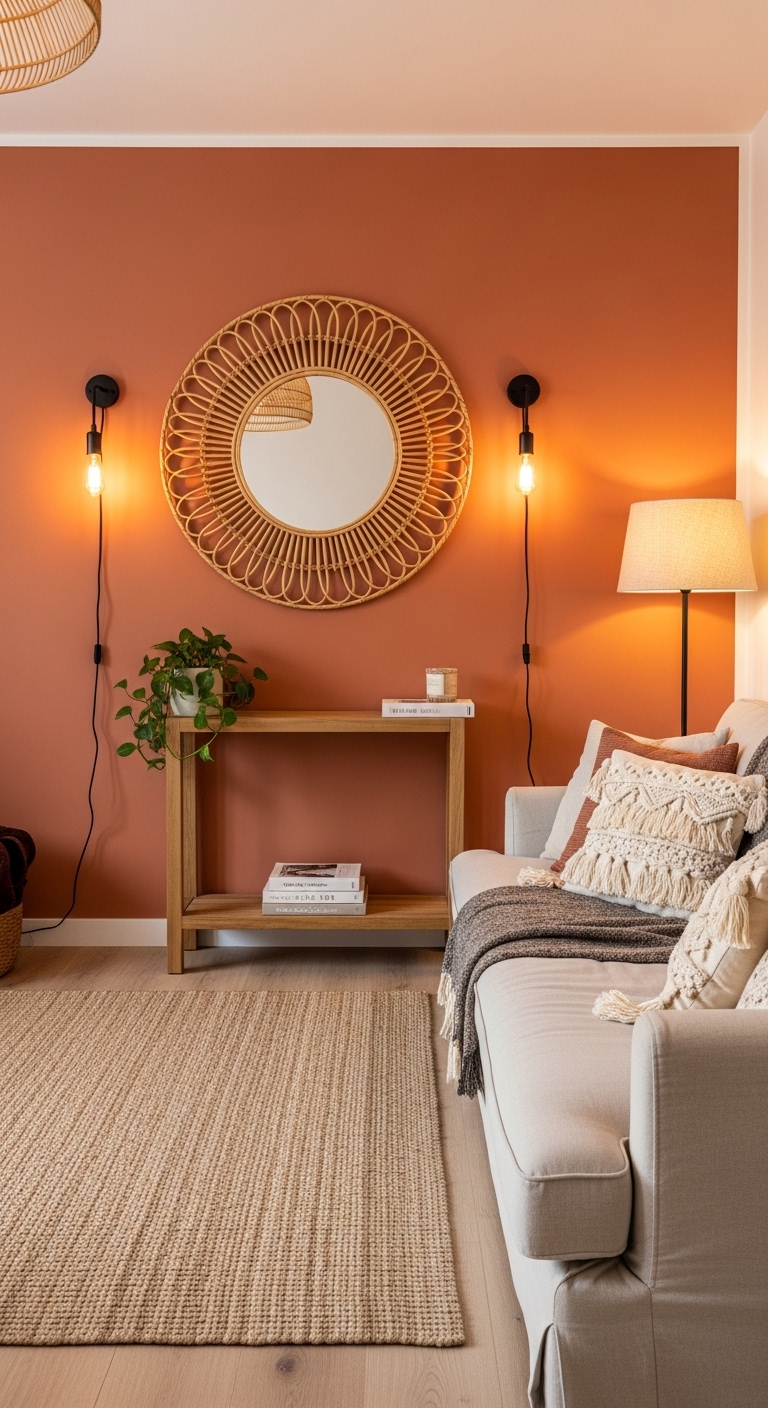
Every well-decorated room has one thing that your eye naturally travels to first. This is called a focal point, and if your room doesn’t have one, it tends to feel scattered and unfinished. Create a focal point by:
- Hanging a large piece of art or oversized mirror
- Using a bold-colored accent wall (even with removable wallpaper)
- Placing your most striking furniture piece centrally
- Building a styled shelf or bookcase as a display feature
You don’t need a fireplace or architectural details. You just need intention.
Use Mirrors to Make Small Spaces Feel Larger
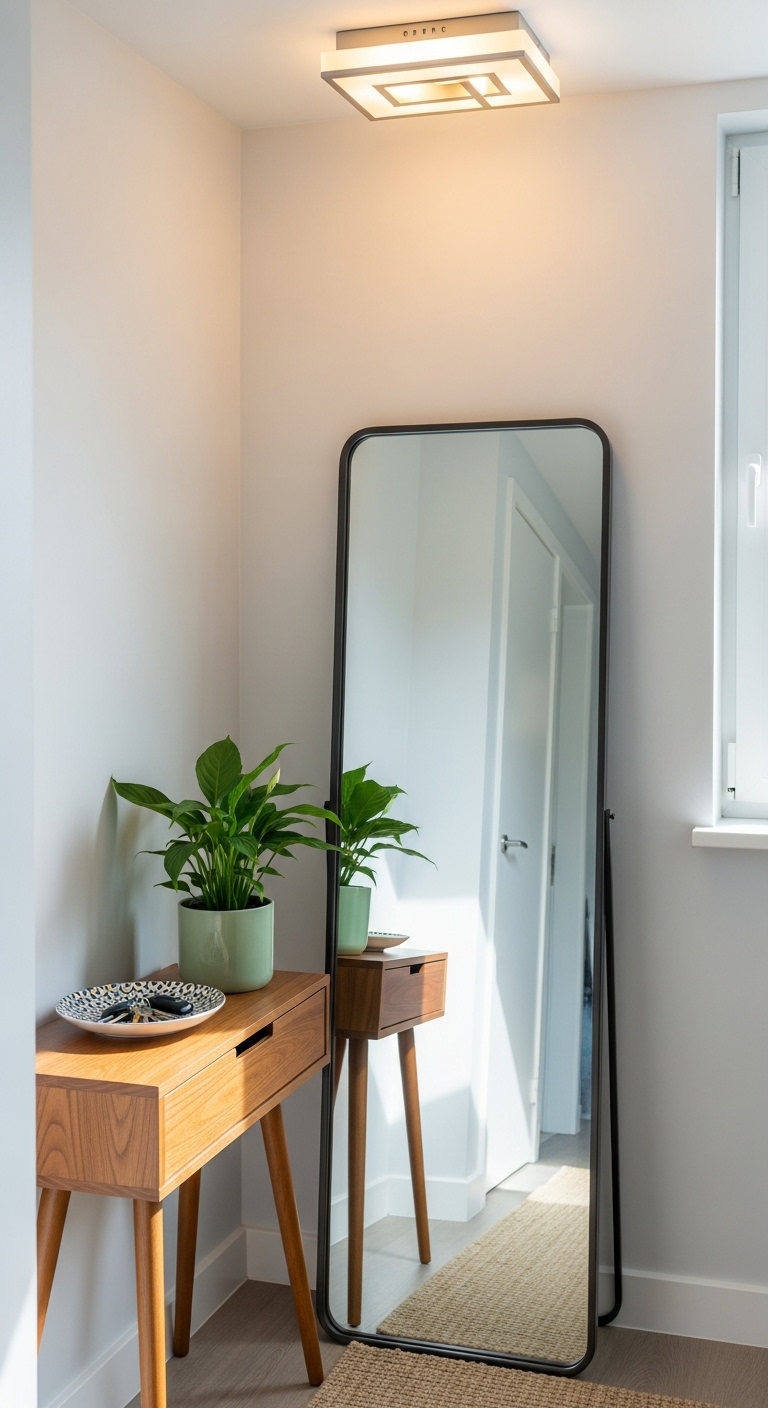
Mirrors are one of the oldest tricks in the interior design book — and they still work brilliantly. A large mirror placed opposite a window bounces natural light around the room and makes the entire space feel almost twice as big. Options:
- A floor mirror leaned against the wall (no holes required)
- A gallery wall that includes several smaller mirrors
- A mirror above a console table or dresser
- Mirrored furniture like side tables or trays
For renters who can’t put big holes in walls, a leaning floor mirror is a game-changer.
Layer Your Lighting Instead of Relying on Overhead Fixtures
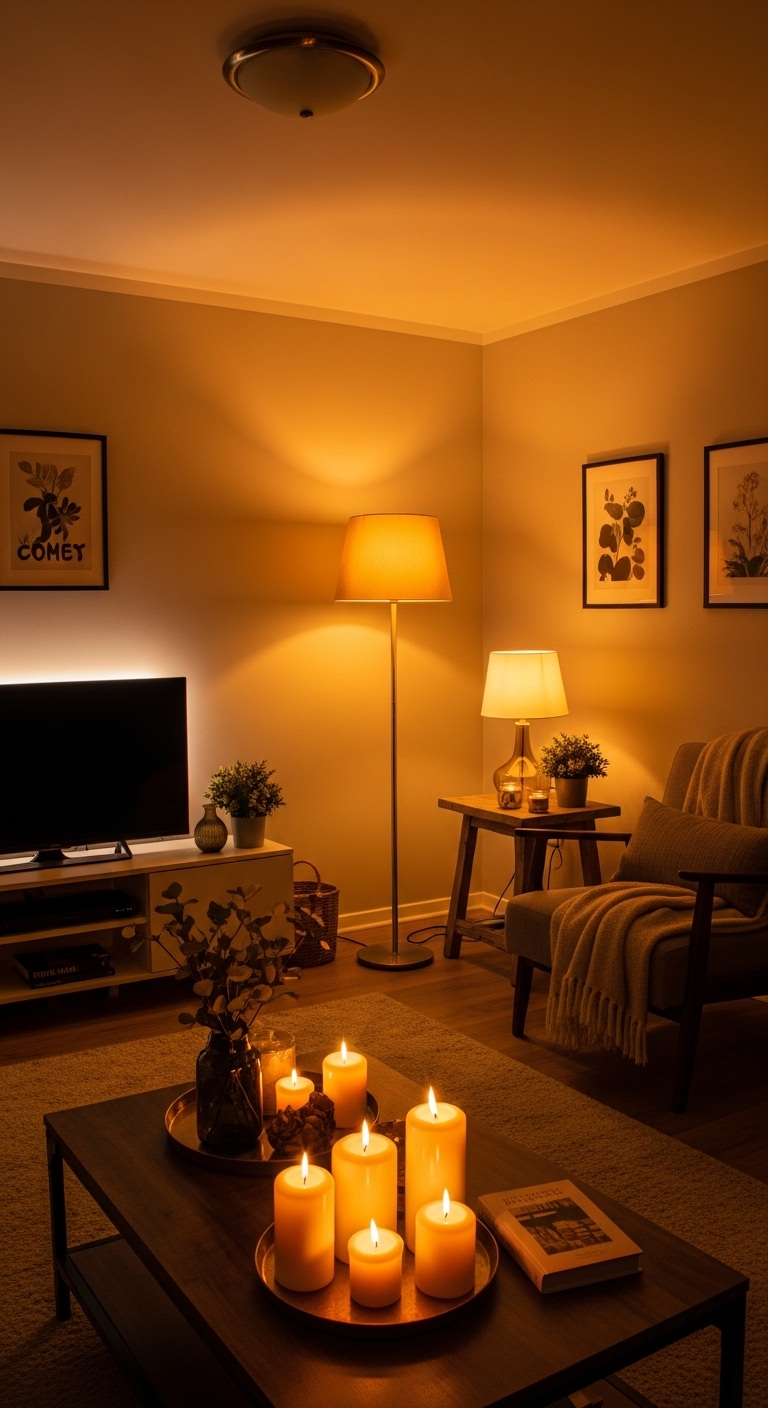
The overhead light in most apartments is basically a fluorescent nightmare — harsh, unflattering, and completely lacking in atmosphere. Replace it (or supplement it) with layered lighting:
- Floor lamps in corners for ambient light
- Table lamps on side tables or dressers
- LED strip lights behind shelves, under beds, or behind TVs
- String lights draped around windows or headboards
- Candles for warmth and scent
The difference between “just moved in” and “intentionally decorated” often comes down entirely to lighting.
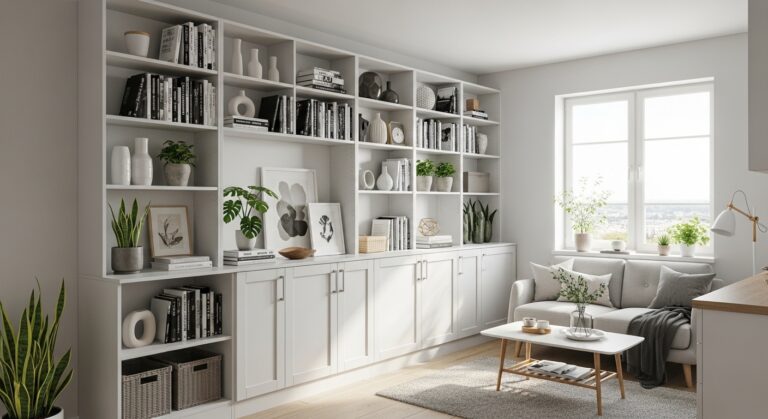
Style Your Shelves Like a Pro
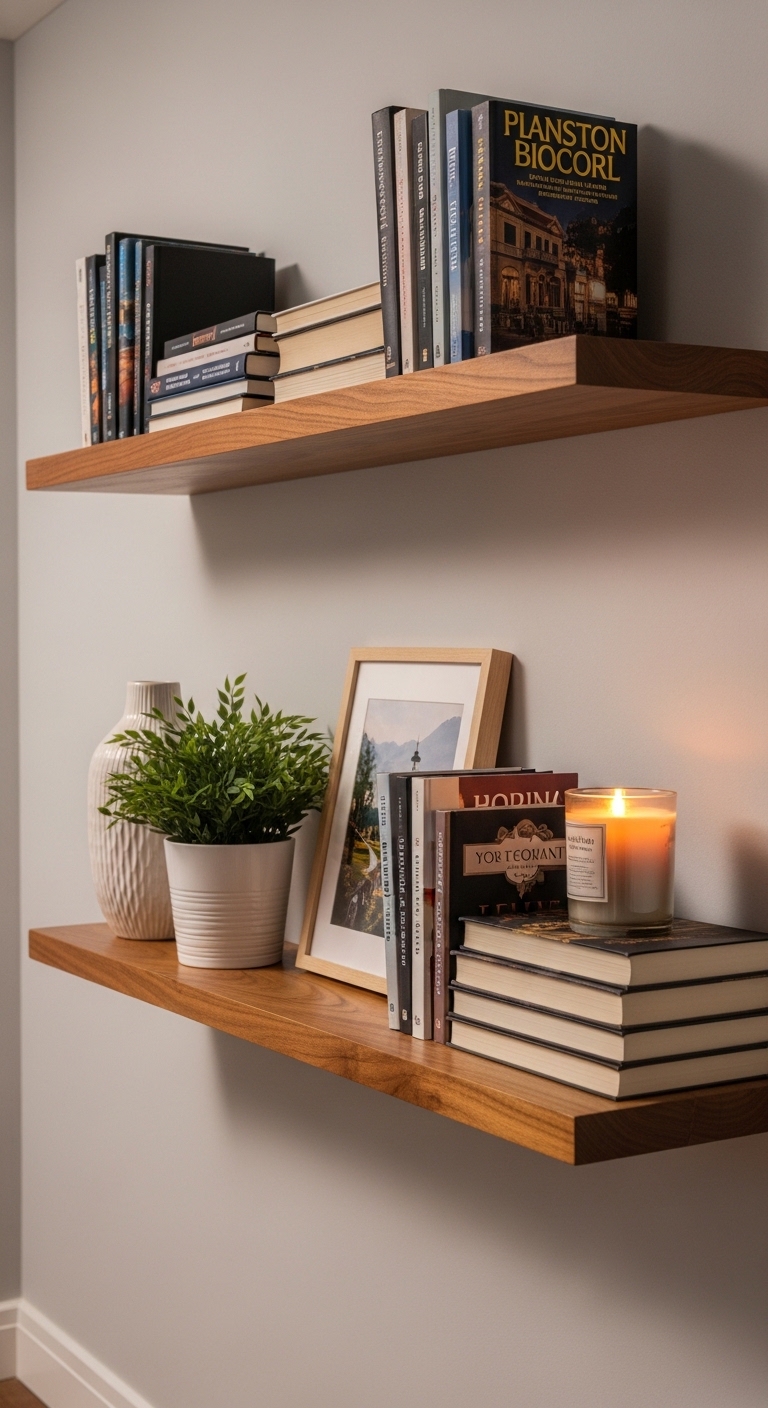
Random objects thrown on shelves look messy. Intentionally styled shelves look editorial. The formula is simple: mix tall with short, functional with decorative, and always add at least one living element (plant, fresh flowers).
A solid shelf styling approach:
- Books — stack some horizontally, stand others vertically
- One plant or small vase
- One meaningful object (travel souvenir, vintage find)
- One framed photo or small art print
- Negative space — leave some areas empty on purpose
Resist the urge to fill every inch.
Upgrade Your Bedding Before Anything Else
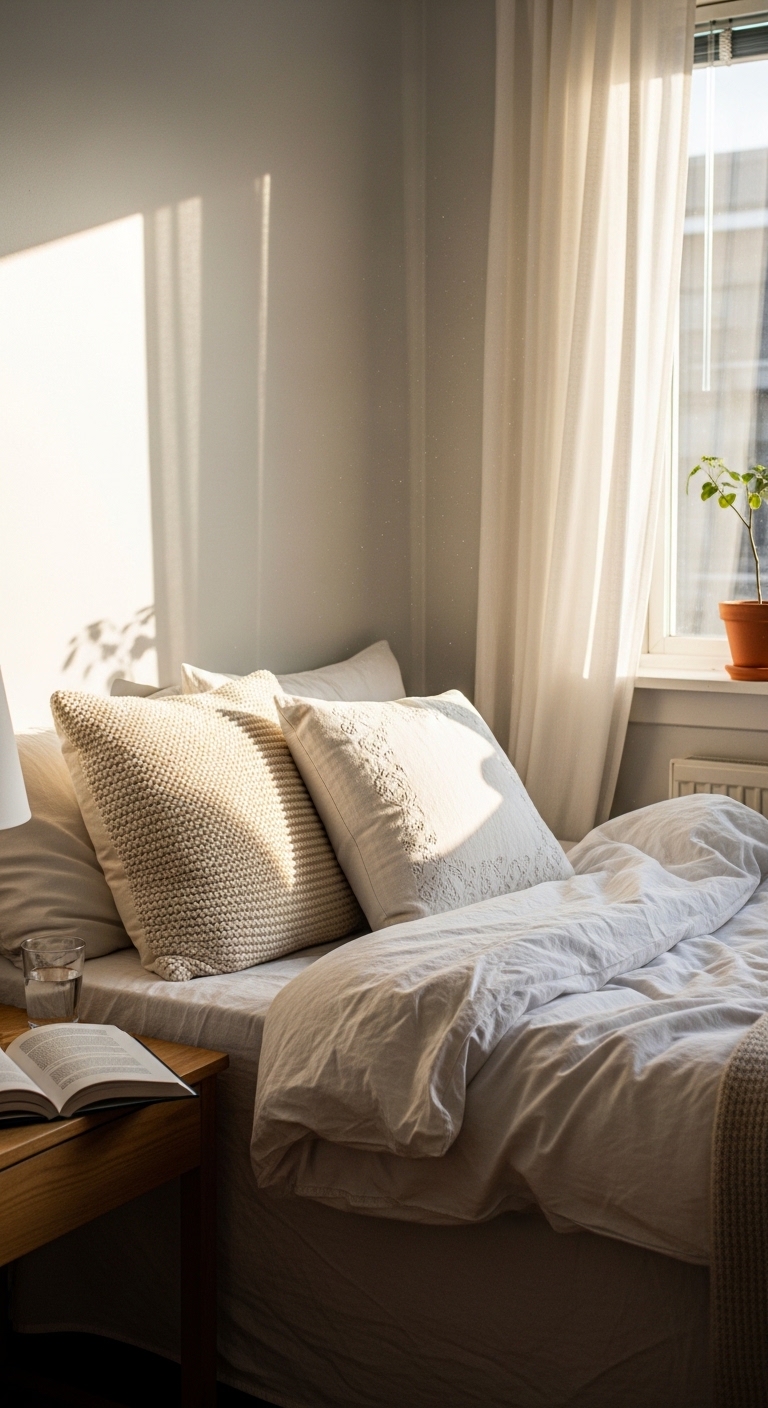
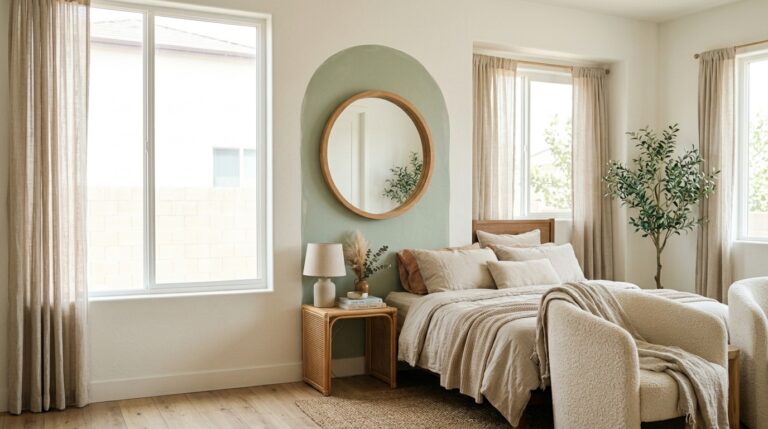
Your bedroom is where you start and end every day, and the bed is the first thing anyone sees when they walk in. Upgrading your bedding instantly elevates the entire room. Look for:
- A duvet cover in a neutral or muted tone (white, oat, sage, dusty blue)
- At least two sizes of throw pillows for layering
- A textured throw blanket draped casually at the foot
- Matching pillowcases (sounds obvious, but it matters)
You don’t need an expensive mattress or fancy bed frame to make a bedroom look polished. Good bedding does most of the work.
Use Removable Wallpaper for Instant Personality
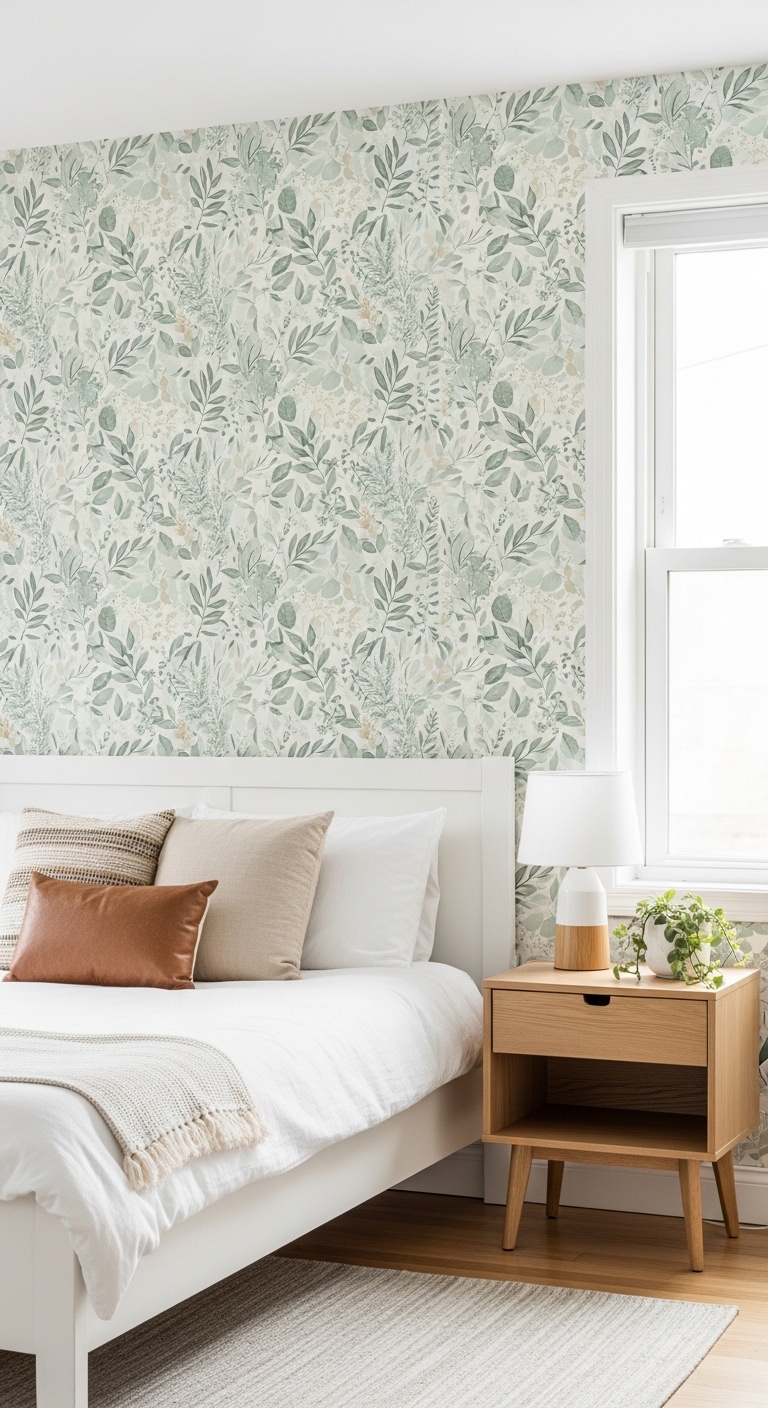
Renters often feel stuck with plain white walls forever. Removable, peel-and-stick wallpaper changes everything. It applies in minutes, looks incredible, and peels off cleanly when you move out.
Use it on:
- A full accent wall behind your bed or sofa
- The inside of a bookcase for a pop of pattern
- A small bathroom wall
- The back panel of a cabinet or wardrobe
This single upgrade can transform an apartment from “rental beige” to genuinely designed in one afternoon.
Don’t Forget the Entryway — Even If It’s Tiny
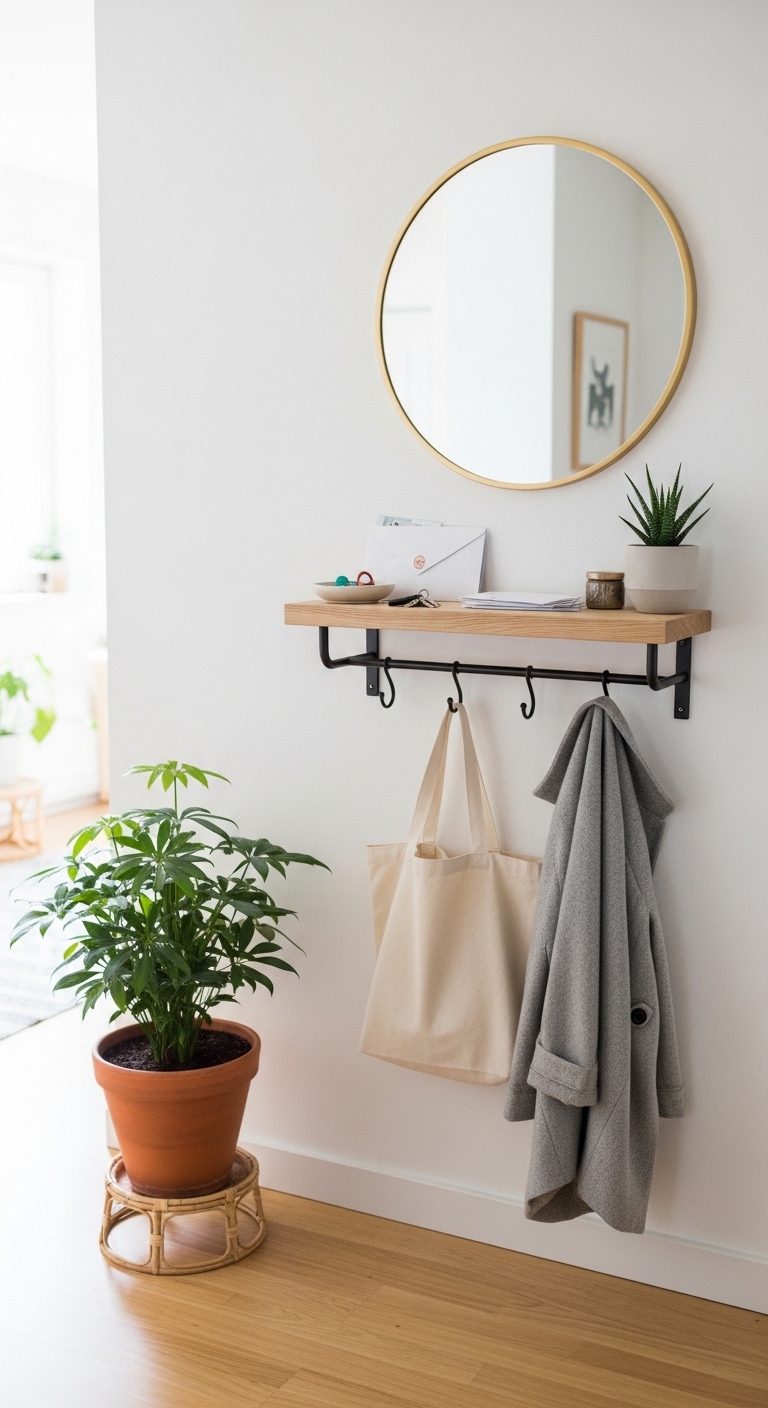
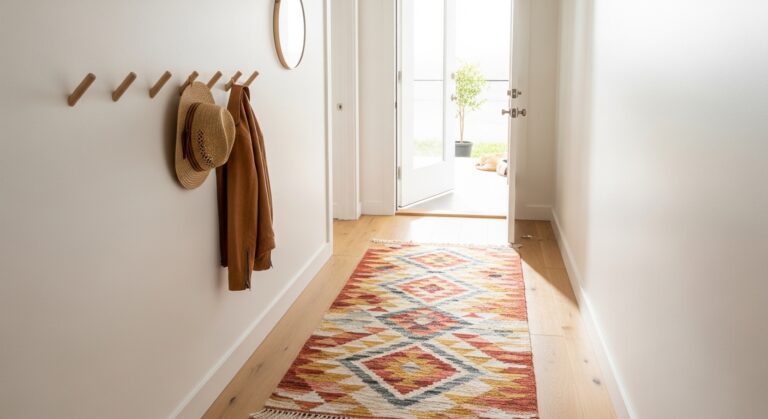
Most first apartments have a tiny entryway — or no real entryway at all. But this is the first thing you see when you walk in, and it sets the tone for the whole apartment. Even in a small space, you can create a functional and welcoming entry with:
- A floating shelf for keys, sunglasses, and mail
- A hook rail for coats and bags
- A small mirror
- A single plant or vase
- A tray for everyday carry items
This area does more than look good — it organizes your daily routine too.
Go Vertical When Floor Space Is Limited
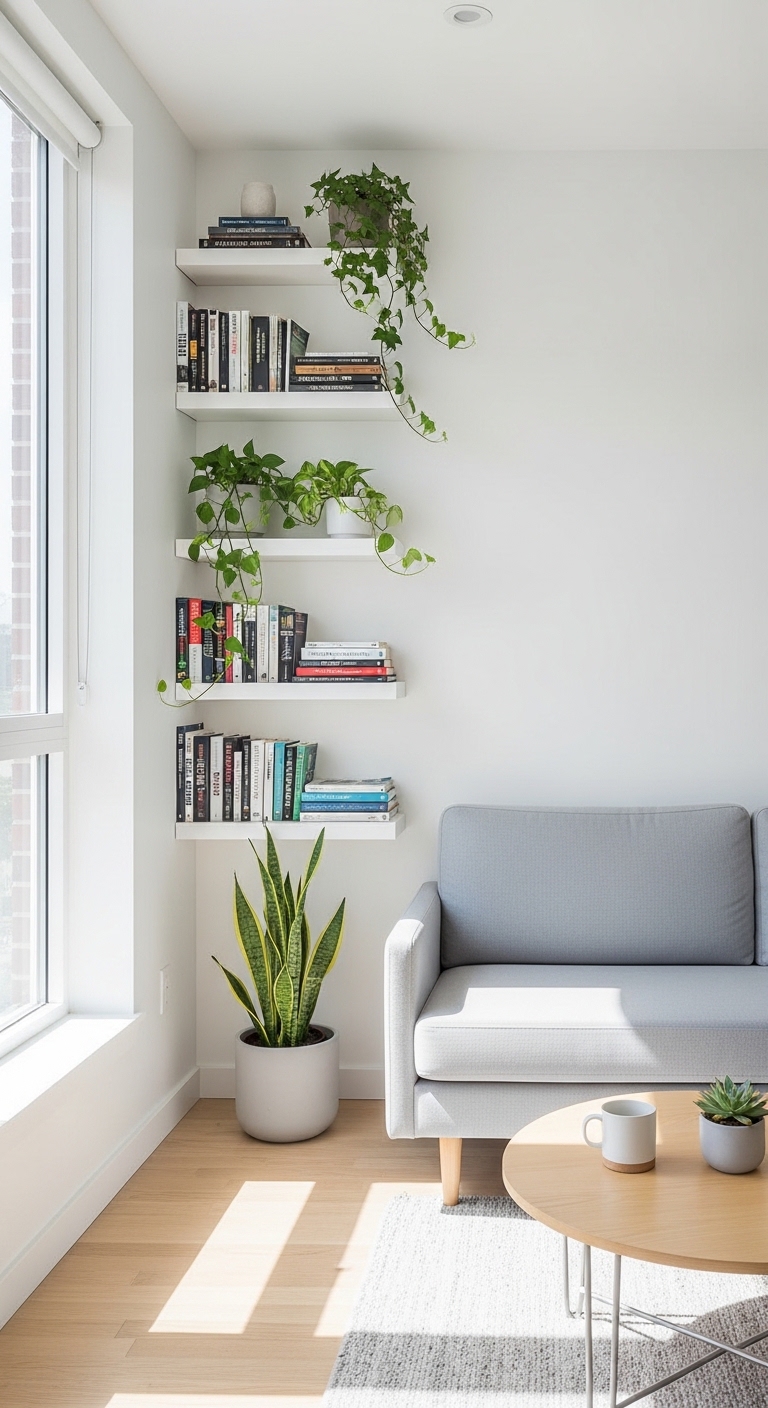
Small apartments often feel even smaller because everything sits at eye level or below. When you go vertical — tall bookshelves, high-hung art, long curtains, stacked storage — your eye travels up, and the room feels bigger.
Vertical ideas:
- Mount shelves all the way to the ceiling
- Hang art slightly higher than you think
- Use tall houseplants like fiddle leaf figs or snake plants
- Stack crates or baskets instead of spreading them horizontally
Idea 15: Bring in Texture to Add Depth Without Color
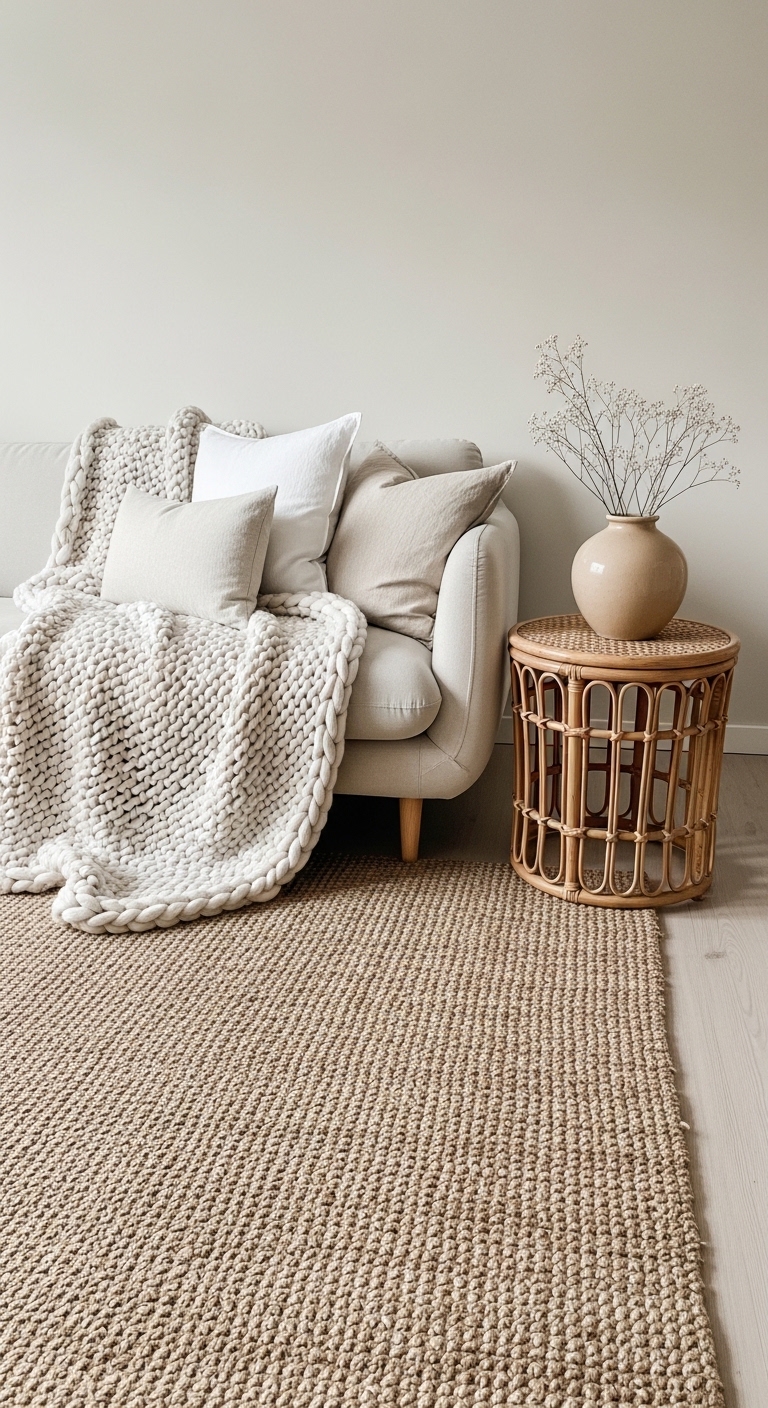
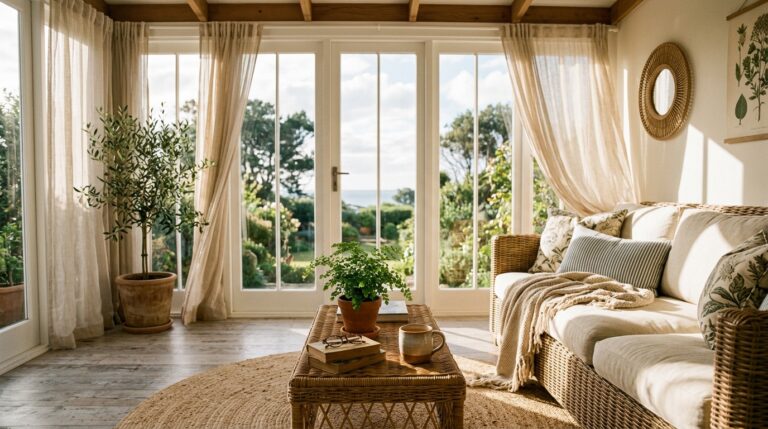
Not everyone wants a colorful home, and that’s perfectly valid. You can create an incredibly rich-looking space using only neutral tones — if you layer textures well. Think:
- Rough (jute rug, woven basket, raw wood)
- Soft (linen throw, chunky knit blanket, velvet pillow)
- Smooth (ceramic vase, glass candle holder, lacquered tray)
- Natural (rattan chair, bamboo shade, dried pampas grass)
A room with varied textures always feels more expensive than one without, regardless of the actual cost.
Create a Cozy Reading Nook in Any Corner
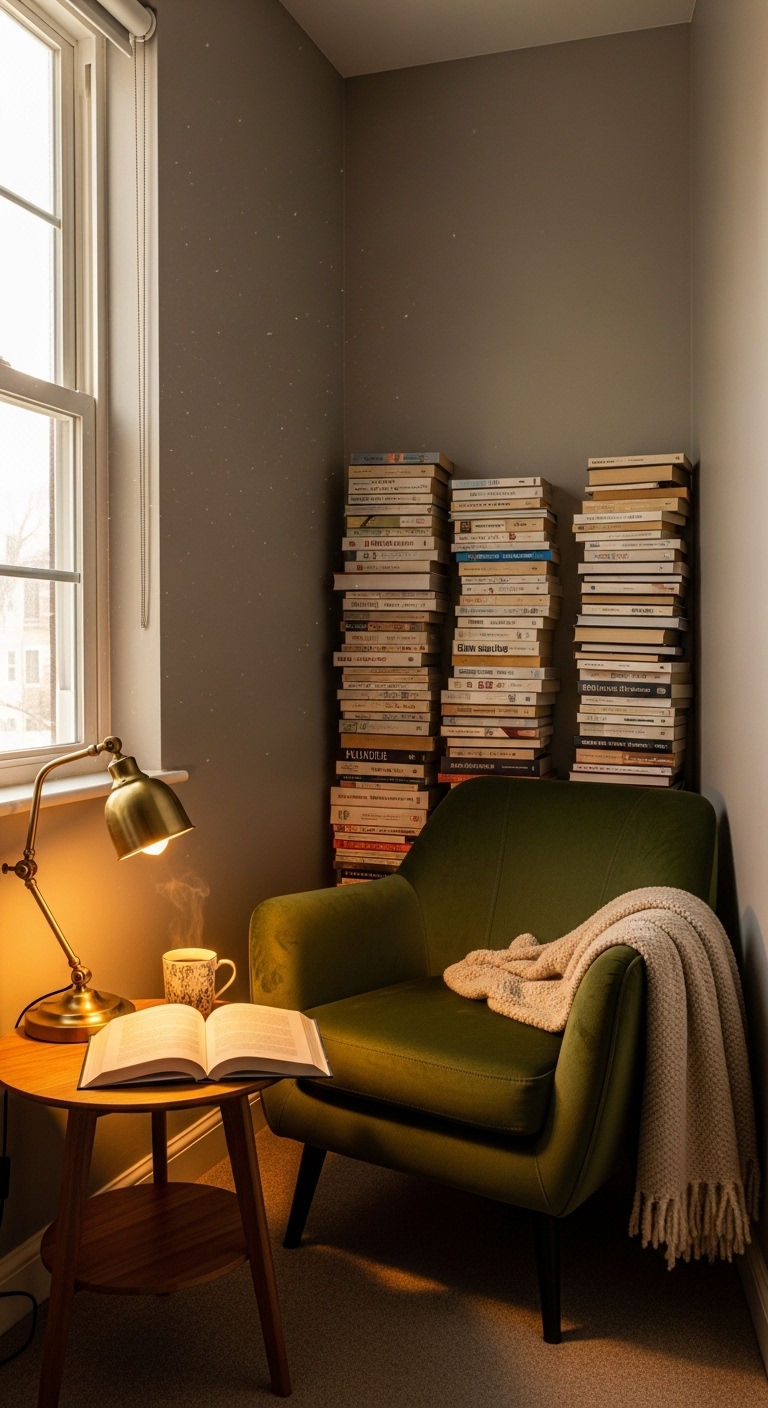
Every apartment has at least one underused corner. Turn it into a reading nook and suddenly that dead space becomes your favorite spot in the home. All you need:
- A comfortable chair or floor cushion
- A small side table or stool
- A lamp with warm light
- A small shelf or stack of books nearby
- A throw blanket
This works in bedrooms, living rooms, or even a larger hallway. A nook doesn’t need much space — just intention.
Style Your Kitchen Counters Like a Display
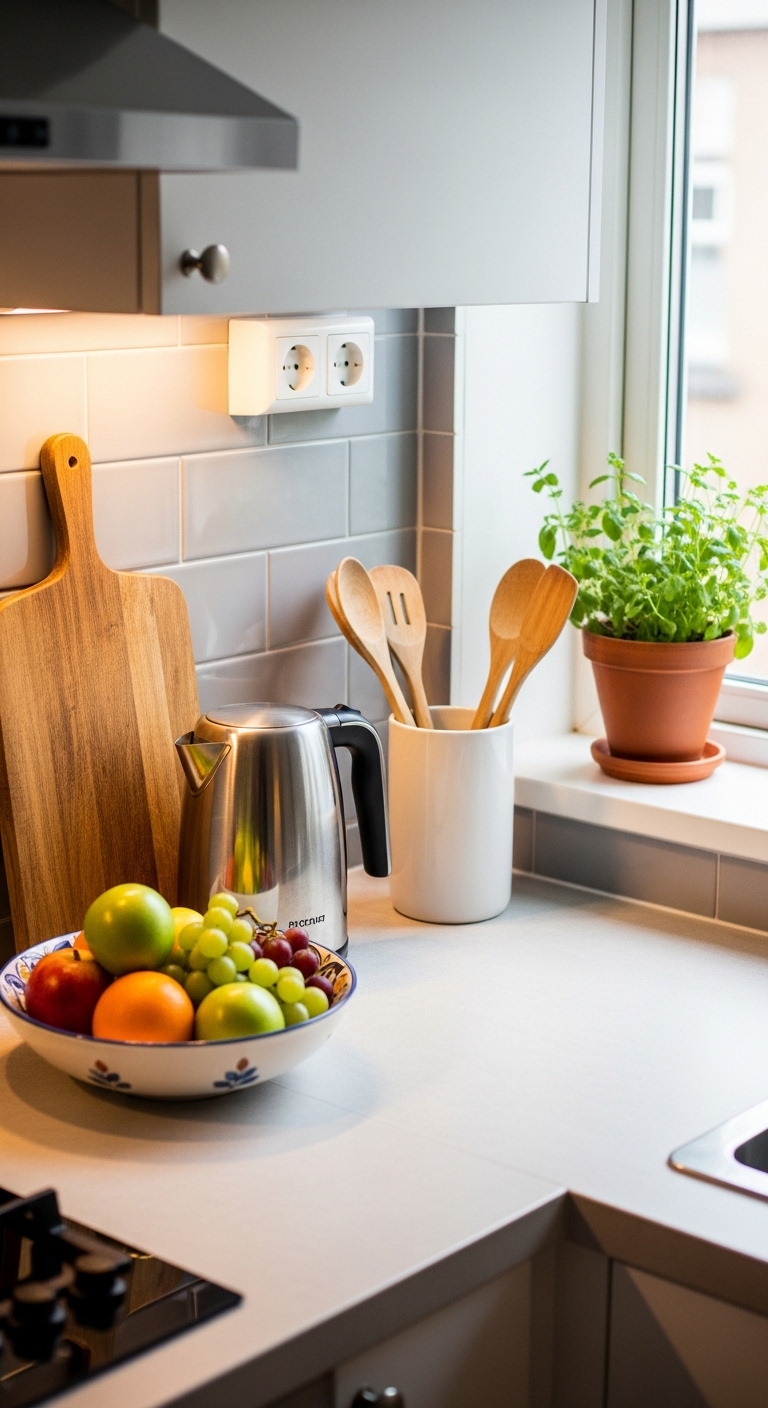
Most people treat their kitchen counters as purely functional. But a small amount of intentional styling makes the kitchen feel like part of the overall design. Keep it simple:
- A wooden or marble cutting board stood upright
- A ceramic utensil holder
- A small potted herb (rosemary, mint, basil)
- One decorative bowl holding fruit or onions
- A beautiful kettle or coffee maker as a display piece
Clutter kills kitchen aesthetics. Edit down to only what you use daily and what looks good.
Use Coffee Table Books and Trays to Style Surfaces
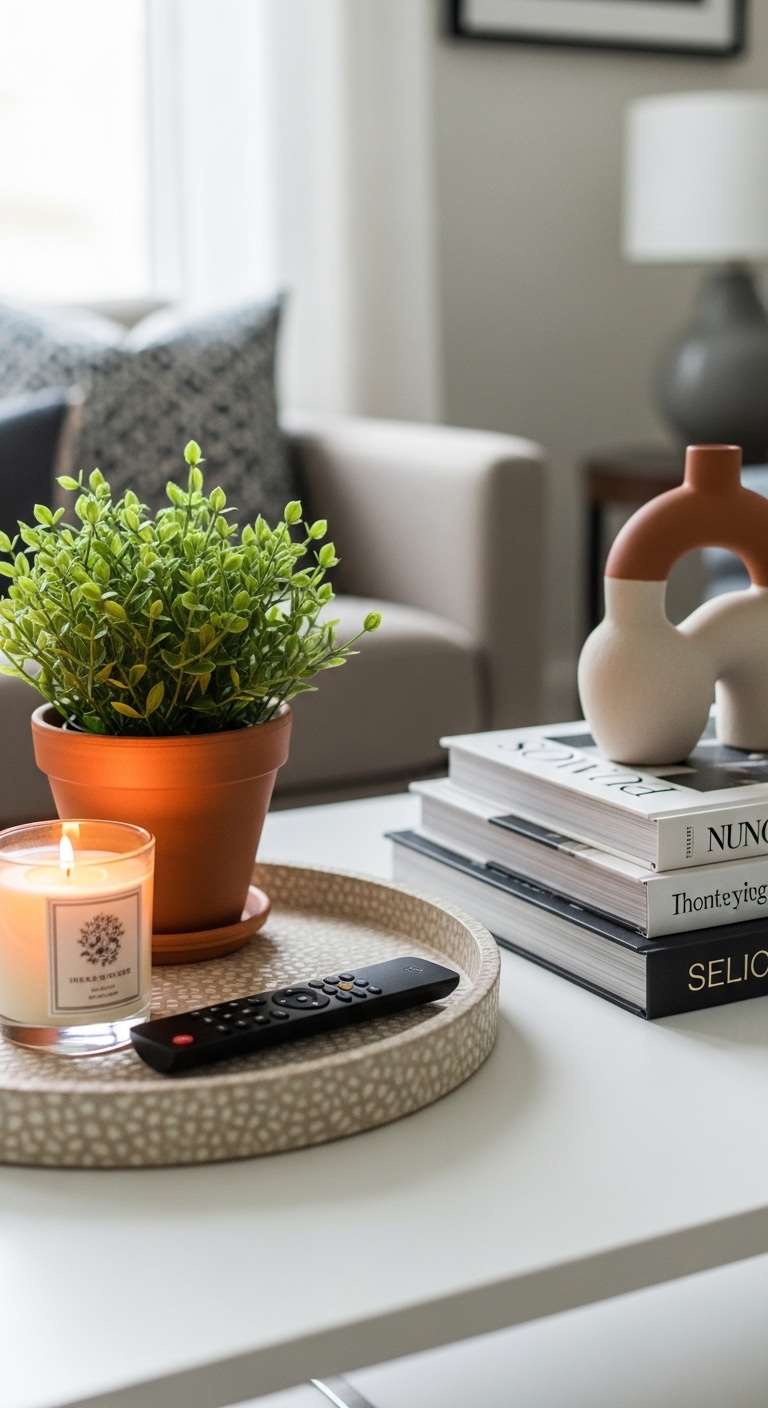
Surface styling is a skill, and it’s easier than it looks. The key rule: group objects in odd numbers (threes work best) and vary the heights within each group. On a coffee table:
- Start with a tray to anchor the vignette
- Add one tall element (candle, small plant)
- Add one medium element (coffee table book, decorative bowl)
- Add one small element (crystal, coaster set, small object)
The tray keeps it looking neat even when you have multiple items grouped together.
Maximize Bathroom Aesthetics on a Tiny Budget
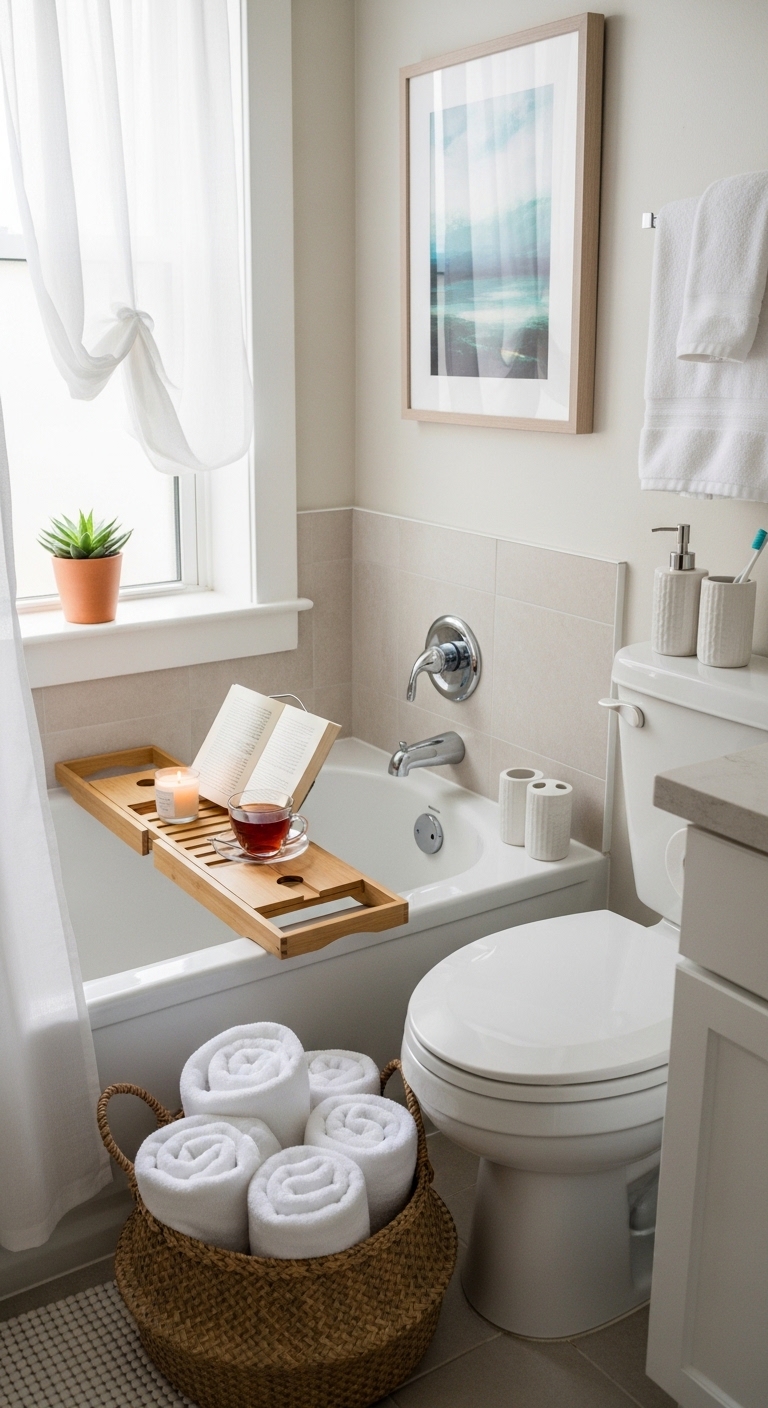
Bathrooms are often ignored in apartment decorating — and it shows. But a few small changes make a huge difference:
- Matching accessories — soap dispenser, toothbrush holder, tray in the same tone
- Rolled towels in a basket instead of hanging randomly
- A small plant or succulent on the windowsill
- Framed art — even bathrooms can have art
- A wooden bath tray for a spa-like feel
- A diffuser or candle for scent and atmosphere
A well-decorated bathroom says that you’ve thought about every room — not just the main living spaces.
Make It Personal — Decorate for You, Not for Photos
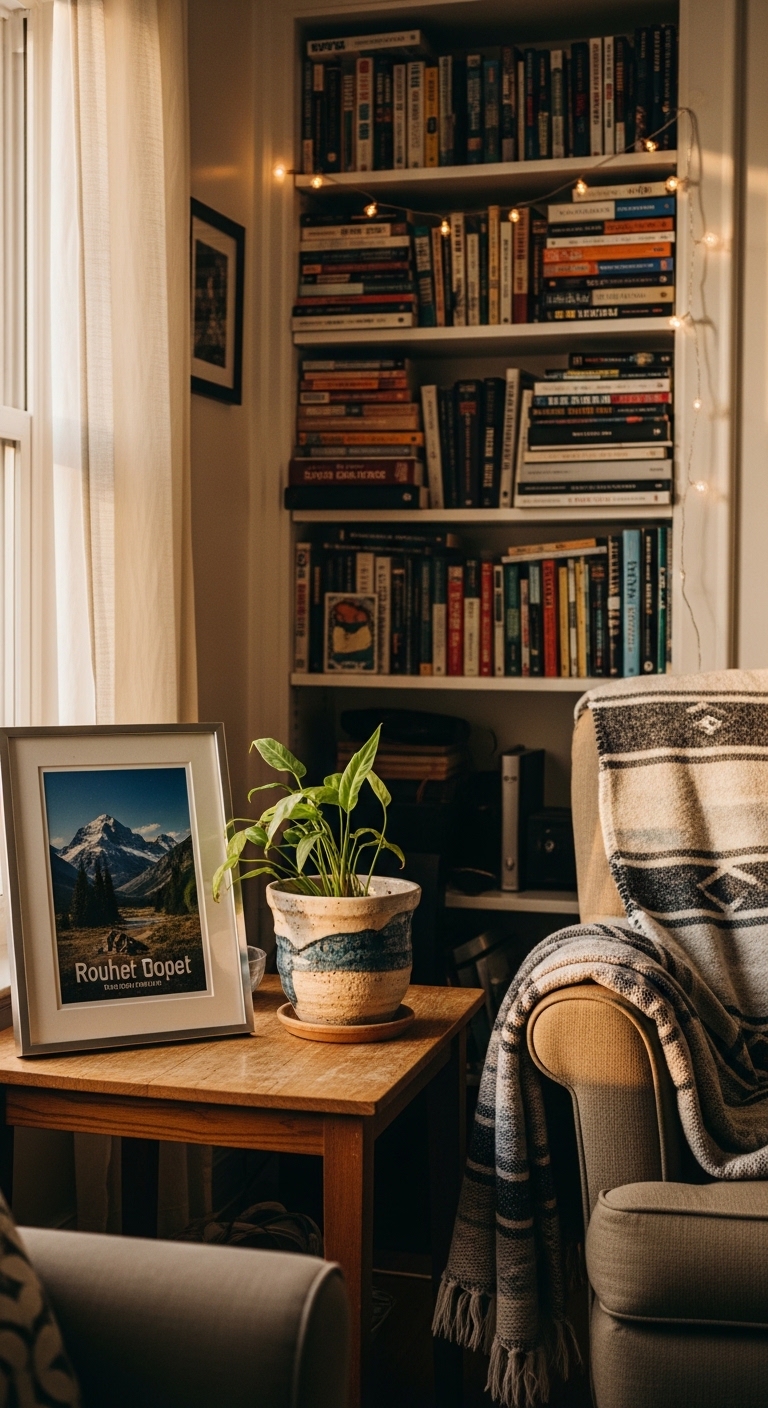
Here’s the most important advice in this entire guide: your apartment should feel like you, not like a Pinterest board or an IKEA showroom. The most beautiful spaces aren’t the most perfect ones — they’re the most personal ones.
Display things that matter to you:
- Travel souvenirs and photos
- Books you’ve actually read
- Art that means something to you
- Objects that have a story
A space that reflects your real life will always feel more welcoming than one that’s been perfectly staged for appearances. Guests don’t want to feel like they’re walking through a furniture catalog. They want to feel like they’re walking into your world.
Putting It All Together: Where to Start
Feeling inspired but slightly overwhelmed by 20 ideas at once? Totally understandable. Here’s a simple order to tackle these ideas:
- First weekend: Hang curtains high and wide, buy a rug, set up layered lighting
- Second weekend: Style your shelves, create an entryway, upgrade your bedding
- Over the next month: Slowly add plants, gallery wall, removable wallpaper accent
- Ongoing: Thrift for secondhand gems, style surfaces, add personal touches
You don’t have to do everything at once. The best apartments are built over time — one thoughtful addition at a time.
Final Thoughts
Decorating your first apartment is one of the most creatively exciting things you’ll ever do. You have a blank canvas, full creative control, and the freedom to build a space that’s entirely your own. Take your time, trust your taste, and don’t be afraid to try something unexpected.
The ideas in this guide are just the starting point. Once you begin, you’ll find your own style — and that’s when decorating truly becomes fun. Your first apartment won’t be perfect, and it doesn’t need to be. It just needs to feel like home.
Now go hang those curtains up high. You’ve got this.