
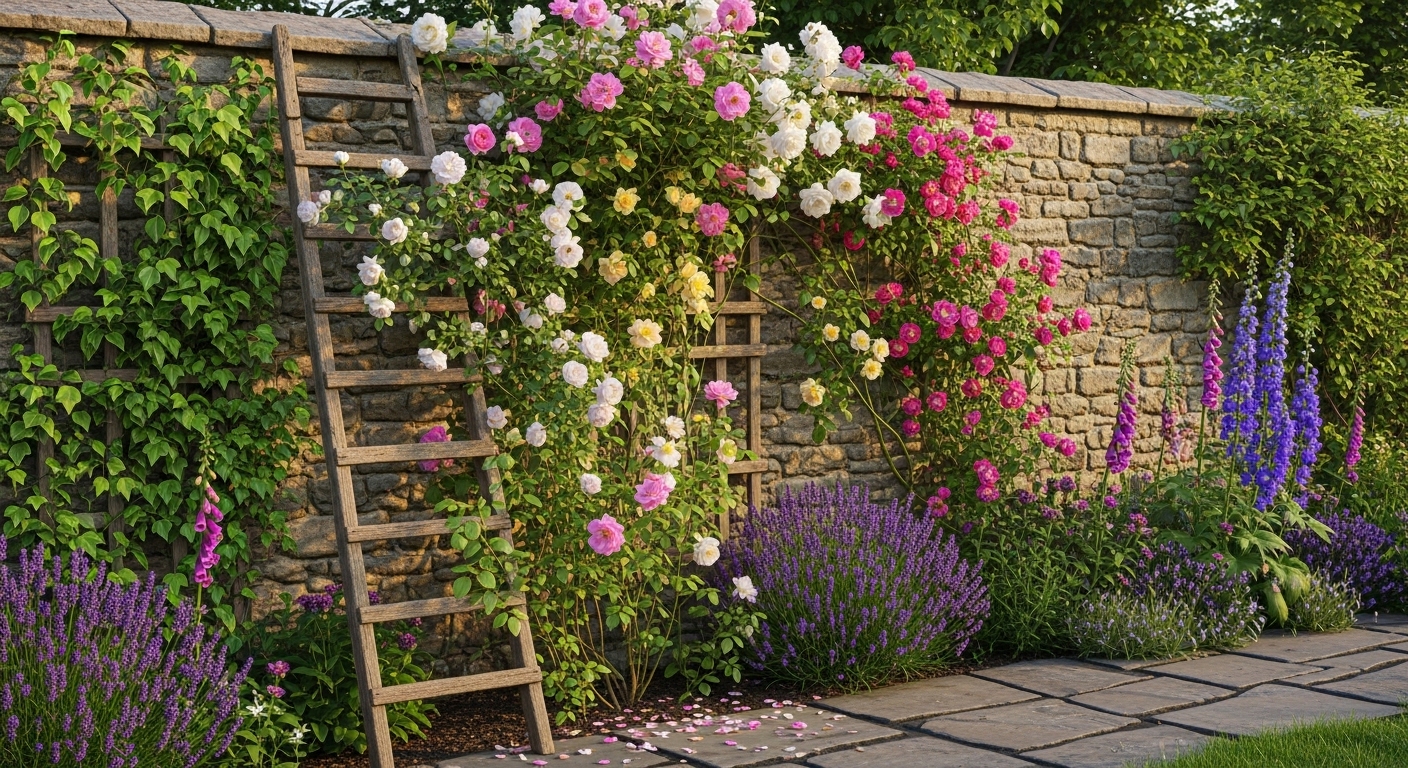
15 Homemade Trellis Ideas (Easy DIY for Every Garden!)
Have you ever looked at your garden and thought, “Something’s missing”? Maybe your climbing roses are flopping over. Maybe your cucumbers are sprawling across the ground eating up precious space. Or maybe you just want your outdoor space to look like something out of a garden magazine — without spending a fortune.
Here’s the truth: a good trellis changes everything. It adds height, structure, beauty, and function all at once. And the best part? You don’t need to buy an expensive one from a garden center. With a little creativity and some basic materials, you can build something that looks stunning and works even better.
We’ve pulled together 15 of the most practical, beautiful, and genuinely doable homemade trellis ideas for every kind of gardener — beginner or seasoned pro, small balcony or sprawling backyard. Let’s dig in.
Why a Homemade Trellis Beats Store-Bought Every Time
Before we jump into the ideas, let’s talk about why DIY is actually the smarter choice here.
Store-bought trellises are often flimsy, one-size-fits-all, and weirdly expensive for what they are. A basic metal fan trellis from a garden shop can run you $20–$40, and it won’t last more than a couple of seasons before the coating chips and it starts to rust.
When you build your own, you control the size, the material, the strength, and the style. You can match it perfectly to your garden aesthetic. You can make it tall enough for your actual climbing plants. And you can do it for a fraction of the cost — sometimes using materials you already have at home.
There’s also something genuinely satisfying about watching your garden grow on something you built with your own hands. It just hits differently.
Idea 1: Classic Wooden Ladder Trellis
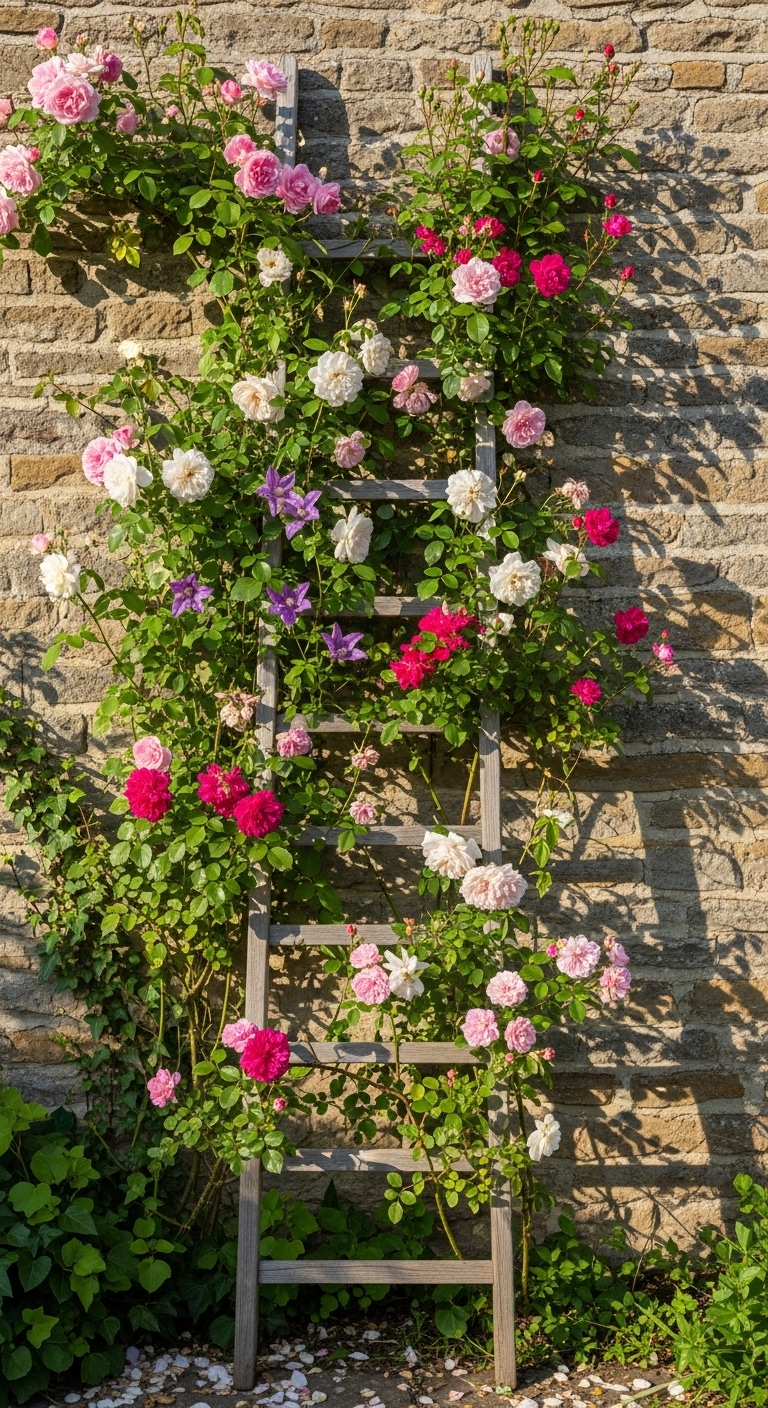
This one is a timeless favorite, and for good reason — it’s dead simple to make and looks absolutely gorgeous in any garden style.
All you need is two long wooden boards for the sides and several shorter horizontal rungs spaced evenly between them. Think of it like an actual ladder standing upright or leaning against a fence or wall. Sand everything smooth, treat the wood with an outdoor sealant, and you’re done.
What makes this design so versatile is that you can adjust the height and width to fit your exact space. A taller version works beautifully for climbing roses or jasmine. A shorter, wider version is perfect for peas and beans in a vegetable patch.
Quick tips for this one:
- Use cedar or pressure-treated pine — they resist rot and moisture naturally
- Space your rungs about 8–10 inches apart for most climbing plants
- Lean it at a slight angle rather than perfectly vertical — plants grab on more easily
Idea 2: Bamboo Teepee Trellis
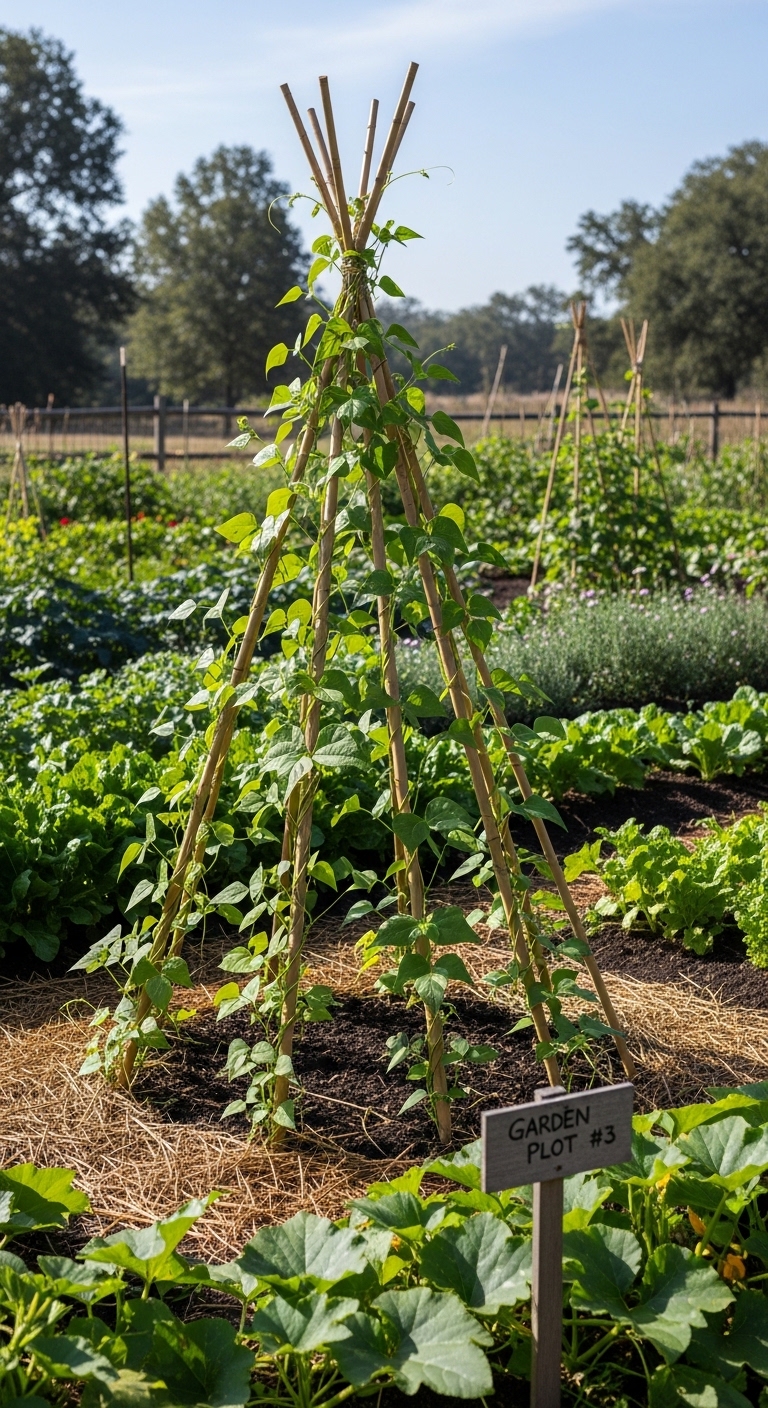
If you grow beans, peas, or any kind of vining vegetable, a bamboo teepee trellis might become your absolute best friend in the garden. It’s one of the fastest builds on this list — we’re talking 15 minutes, maybe less.
Grab five to eight bamboo canes of equal length. Push them into the ground in a circle, then pull the tops together and tie them tightly with garden twine or zip ties. That’s genuinely it. You’ve got a teepee.
The structure creates a natural climbing frame that your vining plants will love. And visually, it looks wonderfully intentional — like something from a heritage kitchen garden.
Why gardeners love this:
- Bamboo is incredibly strong and naturally weather-resistant
- Easy to dismantle and store at the end of the season
- Kids absolutely love helping build these — great for a family garden project
Idea 3: Pallet Trellis
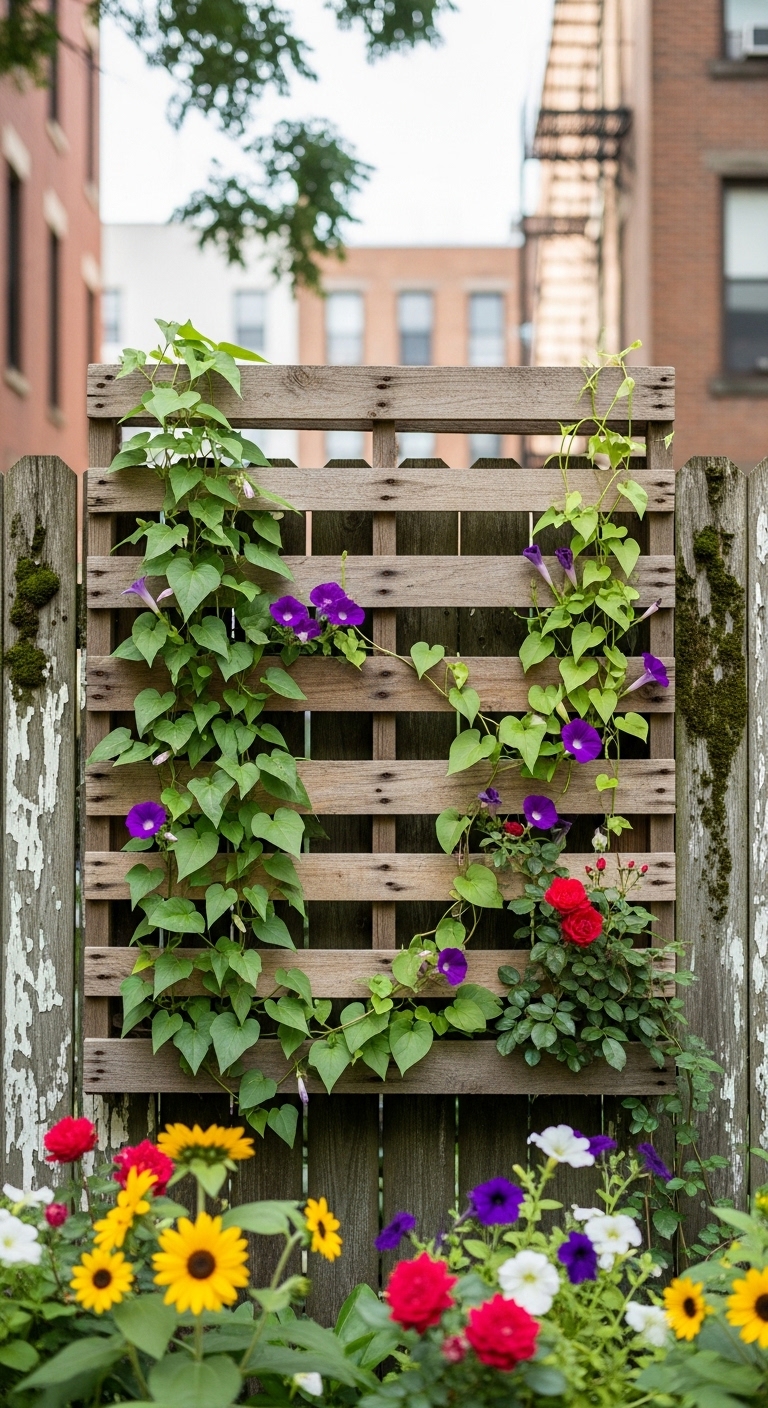
Old wooden pallets are one of those materials that people constantly throw away without realizing how useful they are. If you can get your hands on a couple of free pallets — from a hardware store, furniture shop, or marketplace listing — you’ve basically got a ready-made trellis.
Stand a pallet upright and secure it to a fence post or stake it into the ground. The existing gaps between the slats give your plants the perfect framework to thread through and climb. You can leave it raw and rustic, paint it a bold color, or even attach small pots to the front for a vertical garden effect.
One important thing to check: Look for the HT stamp on the pallet, which means it’s heat-treated rather than chemically treated. You never want chemically treated wood near edible plants.
- Perfect for small urban gardens and balconies
- Can double as a privacy screen when plants fill in
- Zero cost if you source pallets for free
Idea 4: Wire and Post Trellis
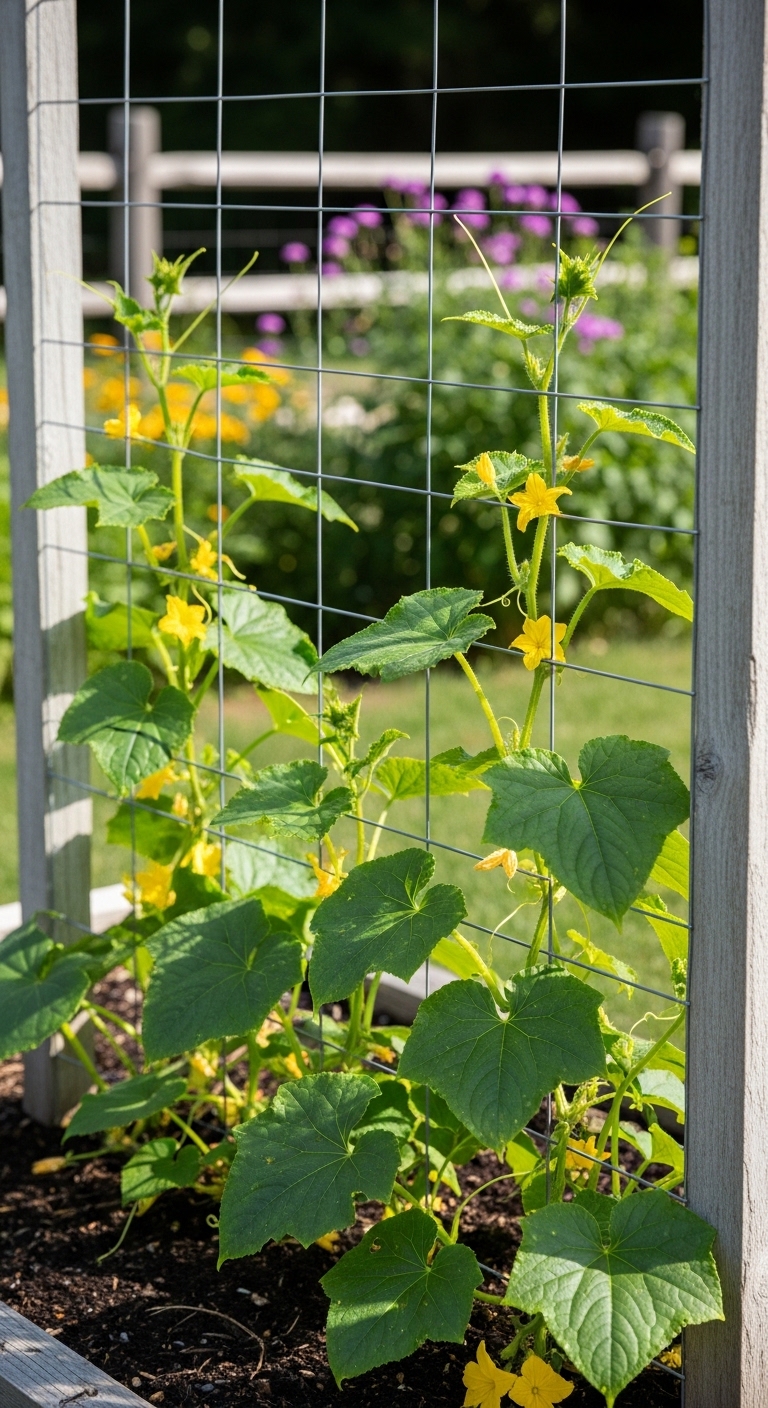
This is probably the most practical trellis on the entire list if you’re growing vegetables seriously. Farmers and market gardeners use this exact system because it’s cheap, durable, and incredibly effective.
Drive two sturdy wooden or metal posts into the ground at either end of your garden bed. Then stretch horizontal wires between the posts at regular intervals — about 8 inches apart works well. Use galvanized wire or garden wire so it doesn’t rust.
Cucumbers, tomatoes, and squash all thrive on a wire trellis like this. The plants grab the wire naturally, and you get excellent airflow which helps prevent fungal diseases.
What makes this extra useful:
- You can scale it up easily for long garden rows
- It’s nearly invisible once plants grow in — very clean looking
- Incredibly strong and can hold heavy fruiting vines
Idea 5: Repurposed Window Frame Trellis
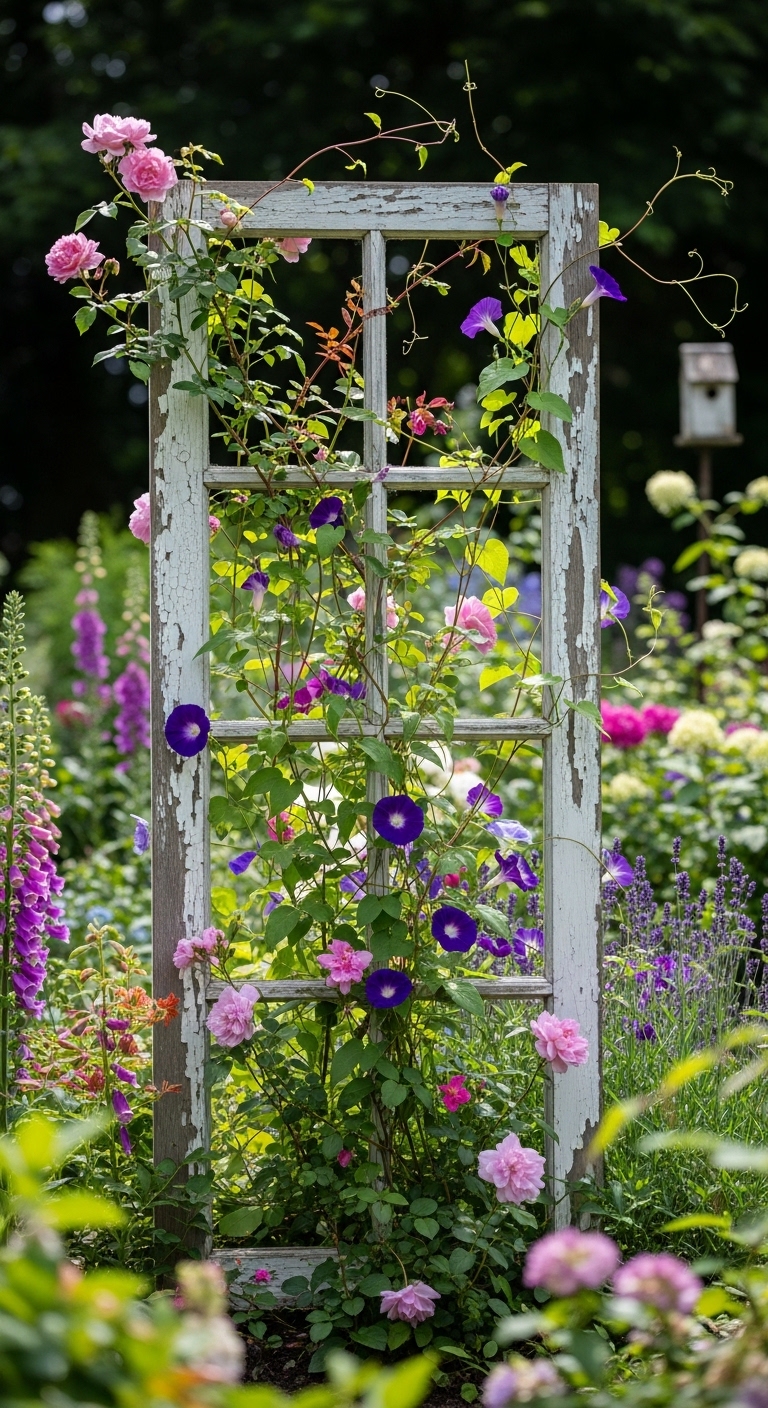
This one genuinely stops people in their tracks. An old window frame — the kind you’d normally see at a salvage yard or thrift store — makes one of the most romantic, character-filled trellises you’ll ever see in a garden.
Remove any remaining glass carefully. Paint the frame in white, sage green, or whatever suits your garden palette. Then mount it against a fence, wall, or stand it upright with support stakes. Add some wire, string, or twine in a grid pattern through the frame opening, and your climbing plants have a stunning place to grow.
This works especially beautifully with clematis, sweet peas, or climbing hydrangeas. The visual combination of the ornate frame with lush flowering vines is genuinely breathtaking.
- Source frames from salvage yards, estate sales, or Facebook Marketplace
- Seal and paint the wood thoroughly to extend its outdoor life
- Works as a beautiful focal point even in winter when plants die back
Idea 6: PVC Pipe Trellis
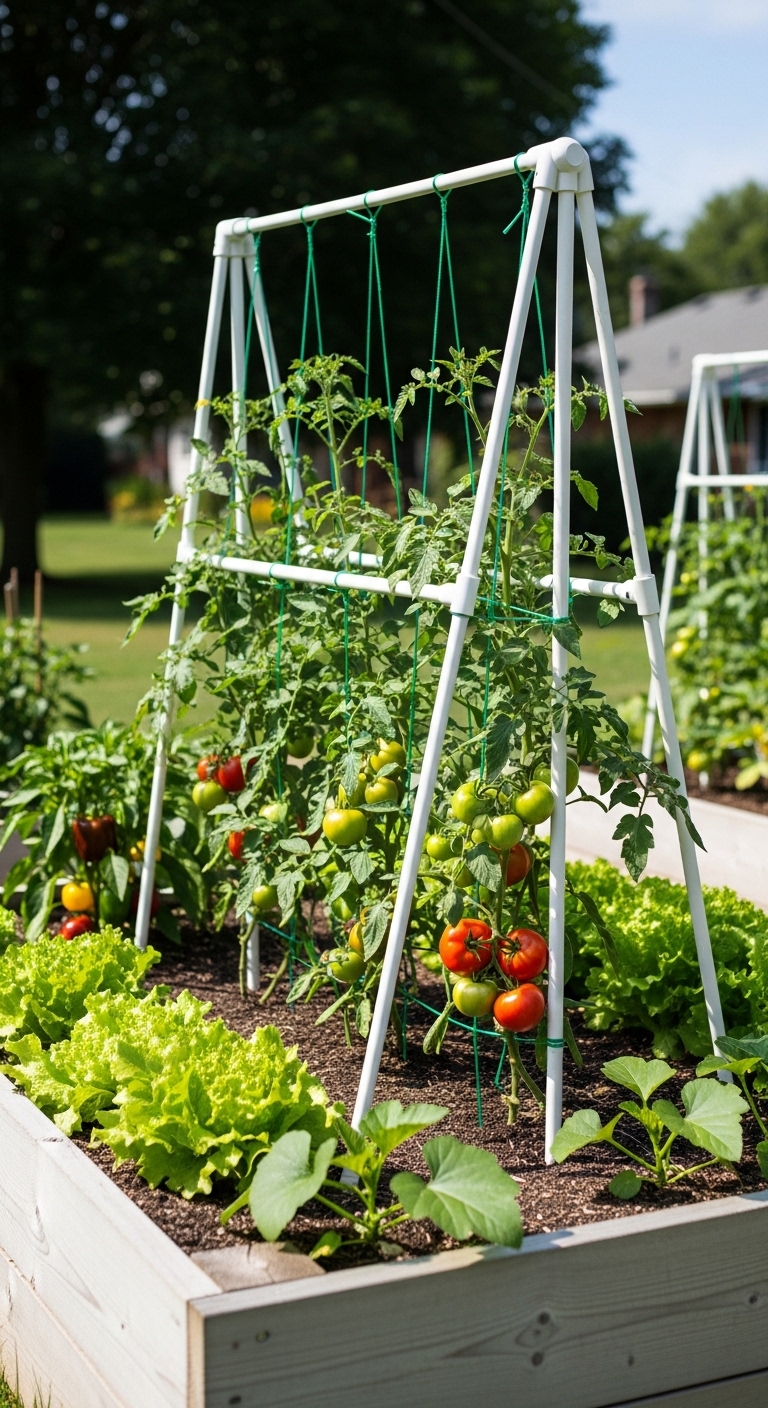
PVC pipe gets a bad reputation for looking cheap — and sure, raw white PVC in a garden isn’t exactly beautiful. But hear us out, because a well-built PVC trellis is one of the most durable, affordable, and practical structures you can put in a vegetable garden.
You can get creative with the design: a simple arch, a flat grid panel, or an A-frame structure. Cut PVC pipes to your desired lengths, connect them with standard PVC elbow and T-joints, and you’ve got a custom trellis frame that will literally last for decades.
If the white bothers you aesthetically, a quick spray with outdoor-safe brown or green paint transforms it entirely. Many gardeners do this and the result looks much more natural.
Best uses for PVC trellises:
- Tomatoes, peppers, and heavy fruiting plants that need strong support
- Hoop-style covers that can double as low tunnels for frost protection
- Raised bed gardens where you want a permanent, season-after-season structure
Idea 7: Cattle Panel Arch Trellis
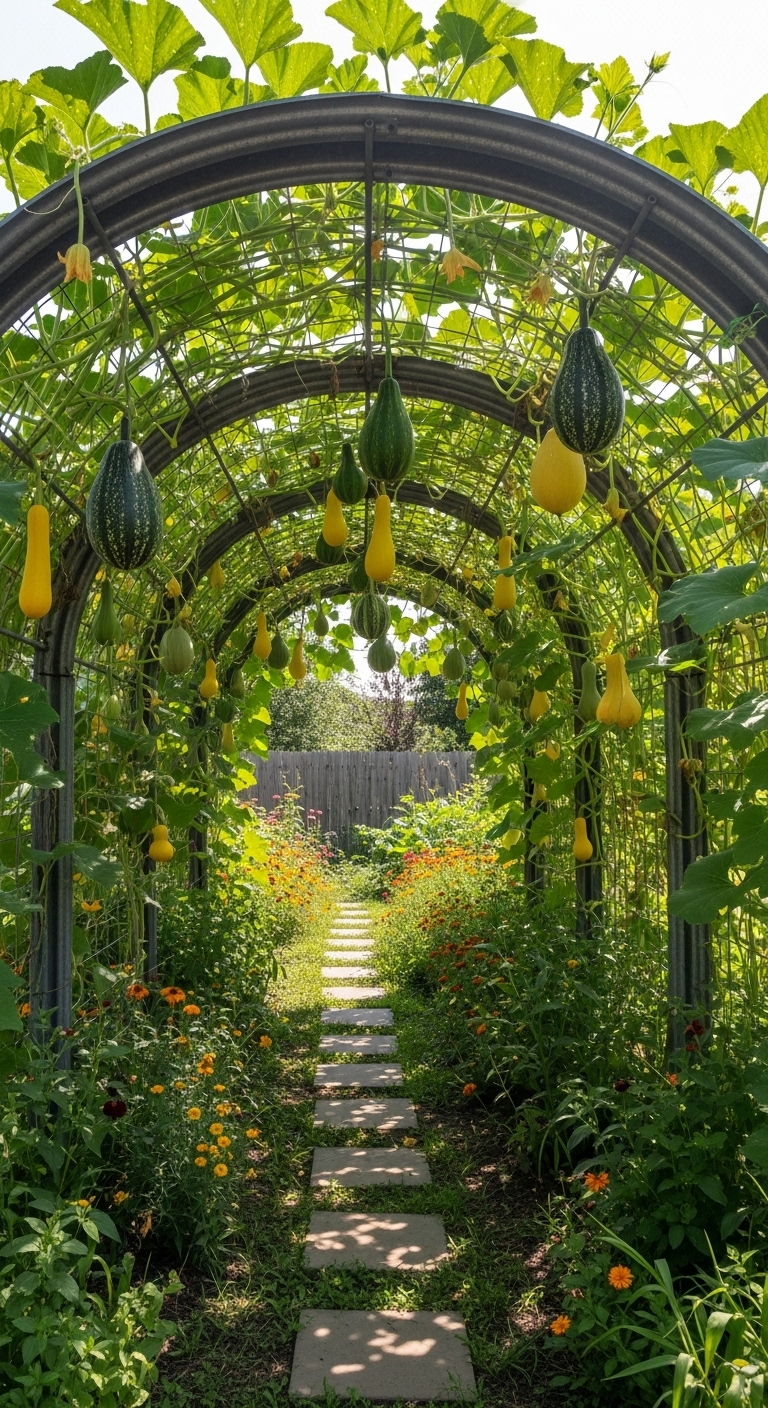
If you want something dramatic, substantial, and incredibly useful, a cattle panel arch is the answer. This is the kind of trellis that becomes the centerpiece of an entire garden design.
Cattle panels are heavy-gauge welded wire grids typically used for livestock fencing. They’re strong enough to hold the weight of large fruiting plants like squash, melons, and pumpkins — which is something most trellises simply can’t do. When you bend one into an arch over a garden path, you create an incredible tunnel effect where fruits literally hang down overhead as you walk through. It’s one of those garden features that makes visitors gasp.
Bend the panel into an arch shape and secure each end into the ground with rebar or wooden stakes. Two people make this much easier, but one determined person can manage it.
- Extremely long-lasting — a cattle panel will outlive most other garden structures
- The arch allows you to grow vertically and harvest from underneath
- Works beautifully in both vegetable and ornamental gardens
Idea 8: Branch and Twig Trellis
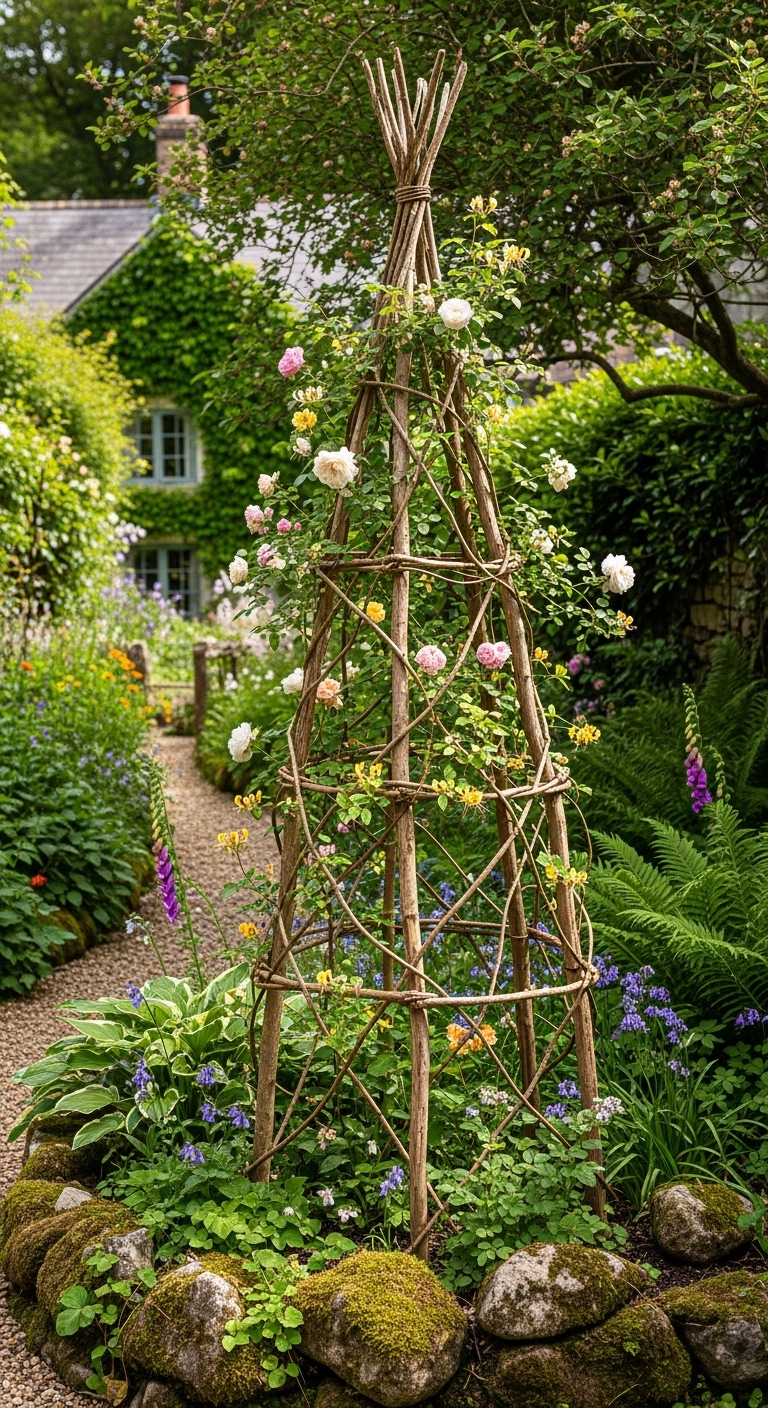
This one requires zero money and just a walk around your yard or a nearby wooded area. A branch and twig trellis is the most organic, natural-looking option on this list — and honestly, in the right garden setting, it looks more beautiful than anything you could buy.
Collect branches of varying thickness: a few sturdy ones for the main frame, and thinner, more flexible twigs for weaving between them. Push the main upright branches into the soil to create your frame, then weave or tie the smaller twigs horizontally across to create a grid. You can use garden twine to secure the joints if needed.
The irregular, natural pattern this creates is part of the charm. No two are exactly alike. Sweet peas and lightweight climbing flowers look absolutely magical growing through this kind of structure.
A few things to keep in mind:
- Choose branches that haven’t started to decay — they should still feel firm
- Hardwood branches like oak or hazel last significantly longer than softwood
- This is a great seasonal trellis that you can compost at the end of the year
Idea 9: Copper Pipe Trellis
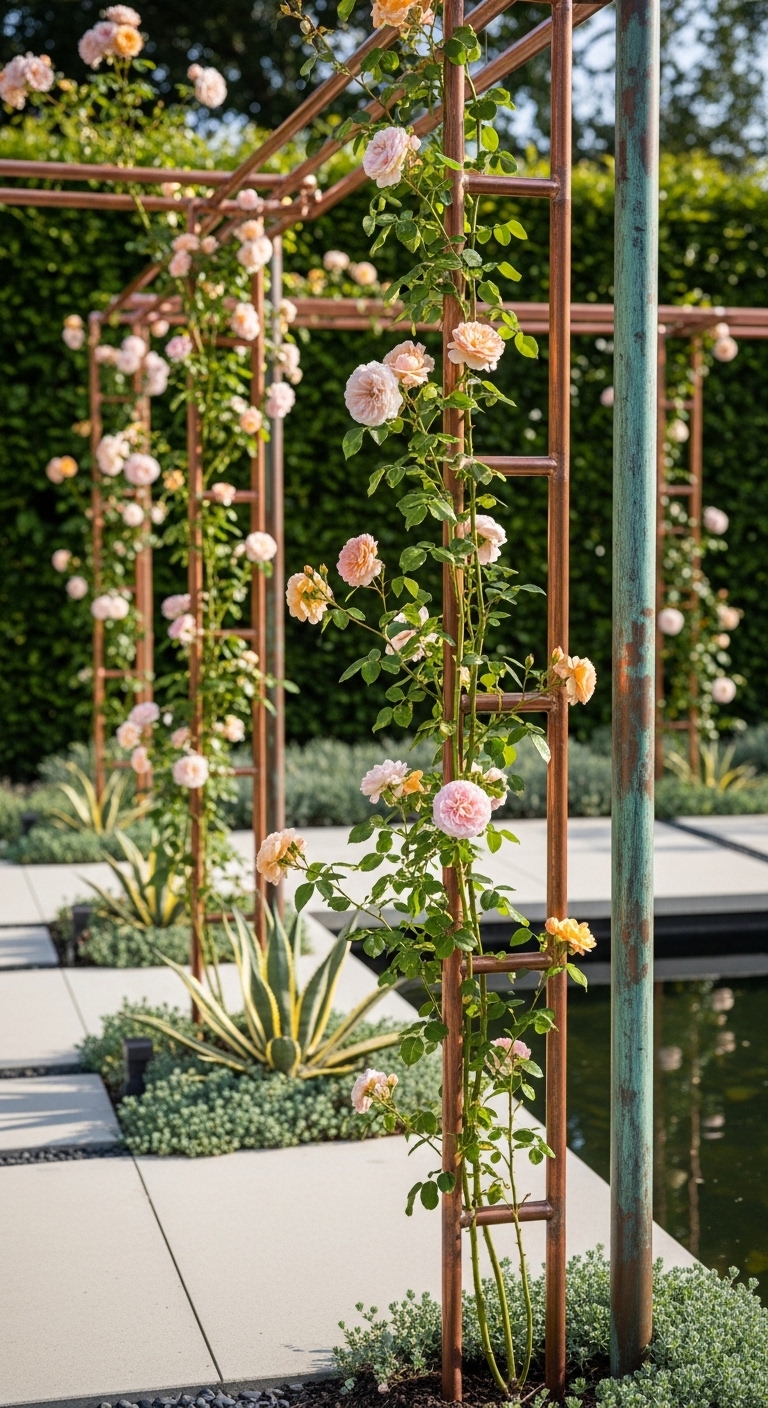
For gardeners who want something that looks genuinely high-end, a copper pipe trellis is your answer. Copper ages beautifully — over time it develops a gorgeous blue-green patina that looks expensive and artistic in a garden setting.
Copper pipes connect easily with elbow joints and T-connectors, just like PVC — but the visual result is in a completely different league. You can build a simple rectangular grid, an elegant arch, or even a custom geometric shape. Because copper is naturally antimicrobial, it also helps deter slugs and snails around your plants, which is a genuinely useful bonus.
Yes, copper costs more than other materials. But a well-built copper trellis can last 20 to 30 years and actually increases in beauty as it ages. Think of it as an investment in your garden.
- Pair with climbing roses or clematis for a truly stunning combination
- Use a pipe cutter for clean, precise cuts without special tools
- Leave it natural to develop patina, or seal it if you prefer the bright copper look
Idea 10: String or Twine Trellis
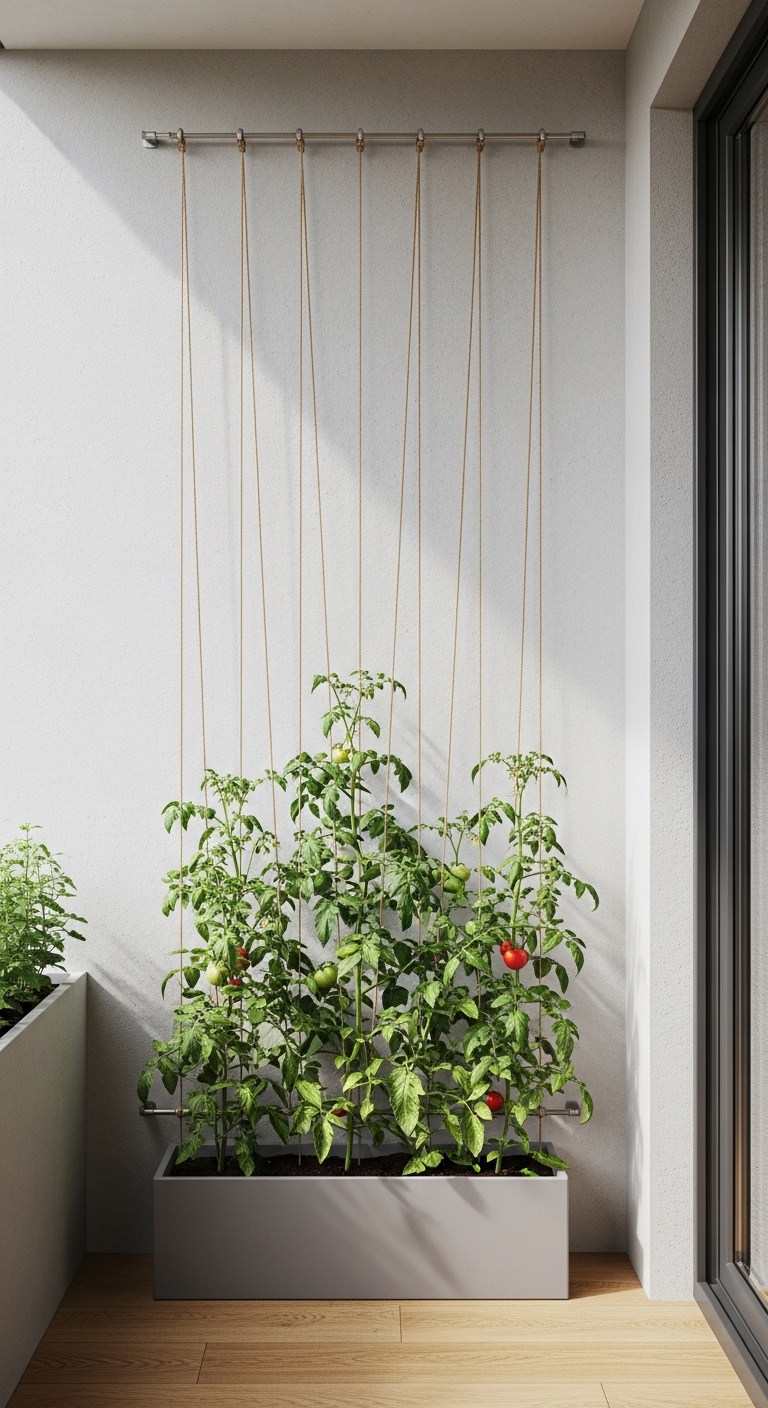
Sometimes the simplest solution is the best one. A string or twine trellis works brilliantly for annual climbing plants, balcony gardens, and anyone who wants maximum flexibility with minimal effort.
Attach a horizontal rod, dowel, or nail at the top of your growing area — along a fence, wall, or the edge of a raised bed. Then hang lengths of garden twine vertically from it down to stakes in the soil. Your climbing plants will naturally find the strings and wrap their tendrils around them as they grow upward.
This works beautifully for tomatoes, cucumbers, and beans in particular. At the end of the season, you simply pull up the twine with the old plant material and start fresh next year.
Why this approach works so well:
- Total cost is nearly zero
- Easy to customize the spacing for different plants
- Great for rental properties or temporary garden setups where permanent structures aren’t possible
Idea 11: Fan-Shaped Twig Trellis
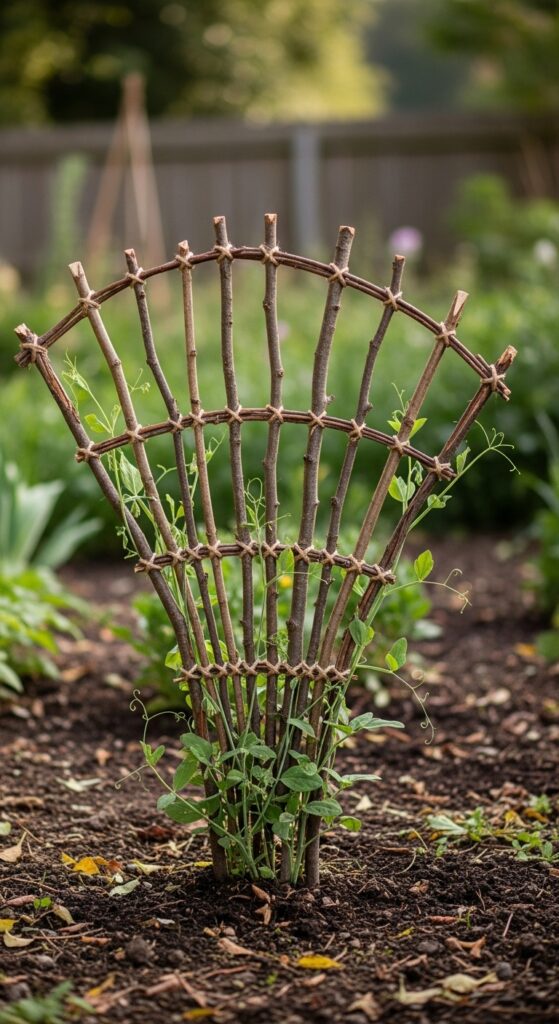
A fan trellis — where the supports radiate outward from a central point at the base — is one of the most classic trellis shapes in traditional garden design. And making one from twigs and branches gives it a wonderfully handmade, artisan quality.
Start with one central stake pushed firmly into the soil. Then add more stakes on either side, fanning outward at increasing angles. Connect horizontal twigs across them as you go up, tying at each junction. The finished shape is a perfect fan or peacock-tail form that climbing plants absolutely adore because they can spread naturally as they grow.
This design works particularly well for climbing roses, fan-trained fruit trees, and flowering vines against a wall or fence.
- Scale it as large or small as your space requires
- Use thick doweling instead of twigs for a more uniform, modern look
- Paint or stain the wood to complement your garden color scheme
Idea 12: Repurposed Bike Wheel Trellis
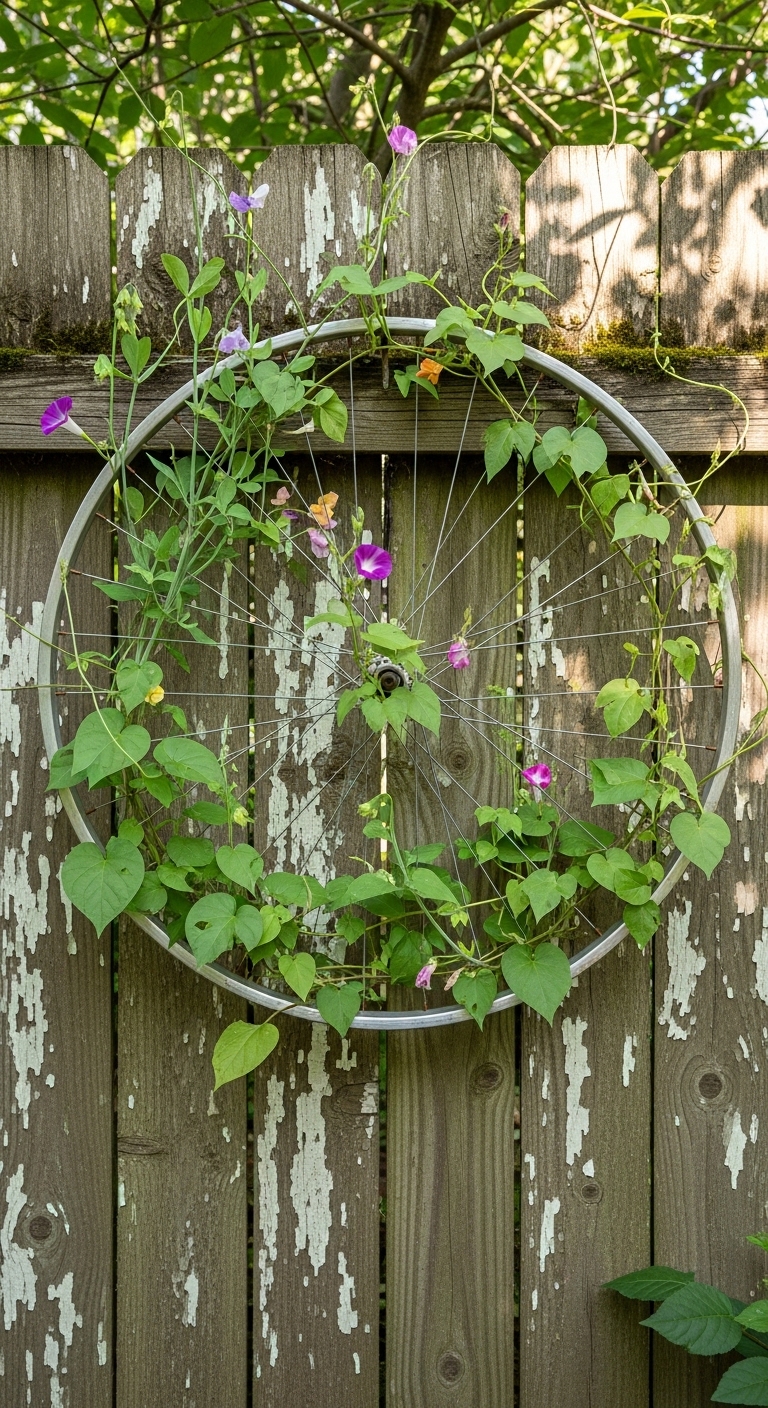
This one is for the creative spirits who love a talking point in their garden. An old bicycle wheel — the kind gathering dust in a garage or available for free on secondhand sites — makes a surprisingly functional and wonderfully quirky circular trellis.
Mount the wheel horizontally on a post above a container or garden bed, or attach it vertically to a fence or wall. The spokes act as perfect supports for your climbing plants, and the circular form creates an eye-catching visual feature. Lightweight annual vines like morning glory or black-eyed Susan vine work especially well here.
You can paint the wheel, leave it weathered, or even decorate it — though honestly, once plants fill in, the wheel becomes a beautiful and unexpected garden sculpture.
- Hunt for old wheels at bike repair shops, garage sales, or online marketplaces
- Mount multiple wheels at different heights for a cascading effect
- Works beautifully as a creative solution for container garden balconies
Idea 13: Wooden Grid Panel Trellis
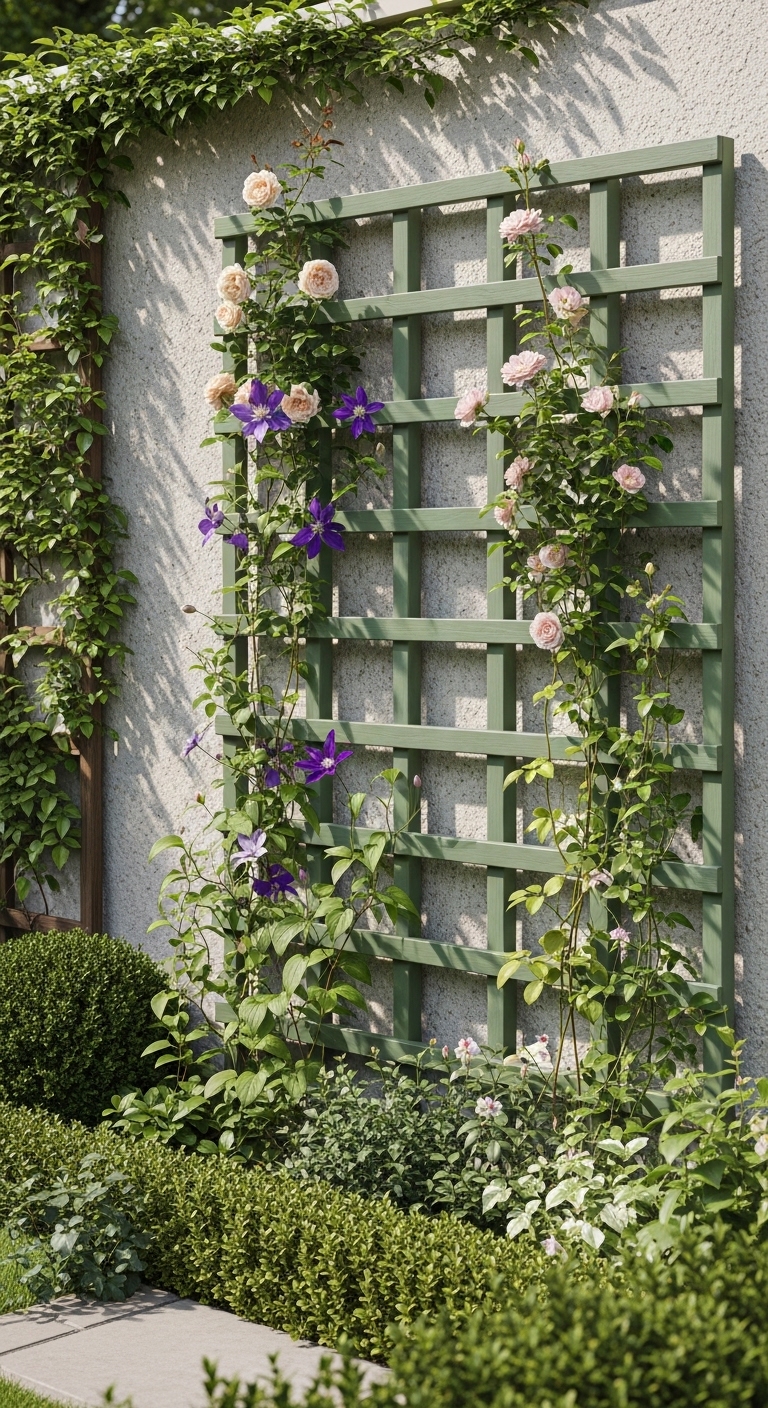
Sometimes you want something that looks clean, intentional, and structured rather than rustic or improvised. A wooden grid panel trellis hits that mark perfectly — and it’s surprisingly simple to build.
Take a series of identical wooden strips and lay them in a grid pattern — horizontal and vertical pieces crossing each other at regular intervals. Nail or screw at each intersection for a rigid structure. The result is a tidy, uniform grid that looks polished and professional.
Mount it flat against a wall or fence, or frame it between two posts to stand free. Painted in the right color — deep green, slate blue, or classic white — this trellis adds serious architectural interest to your garden.
This style works especially well for:
- Small courtyard and patio gardens where clean lines suit the aesthetic
- Training espalier fruit trees against a wall
- Creating a formal structure for climbing roses in a traditional garden
Idea 14: Hog Wire Panel Trellis
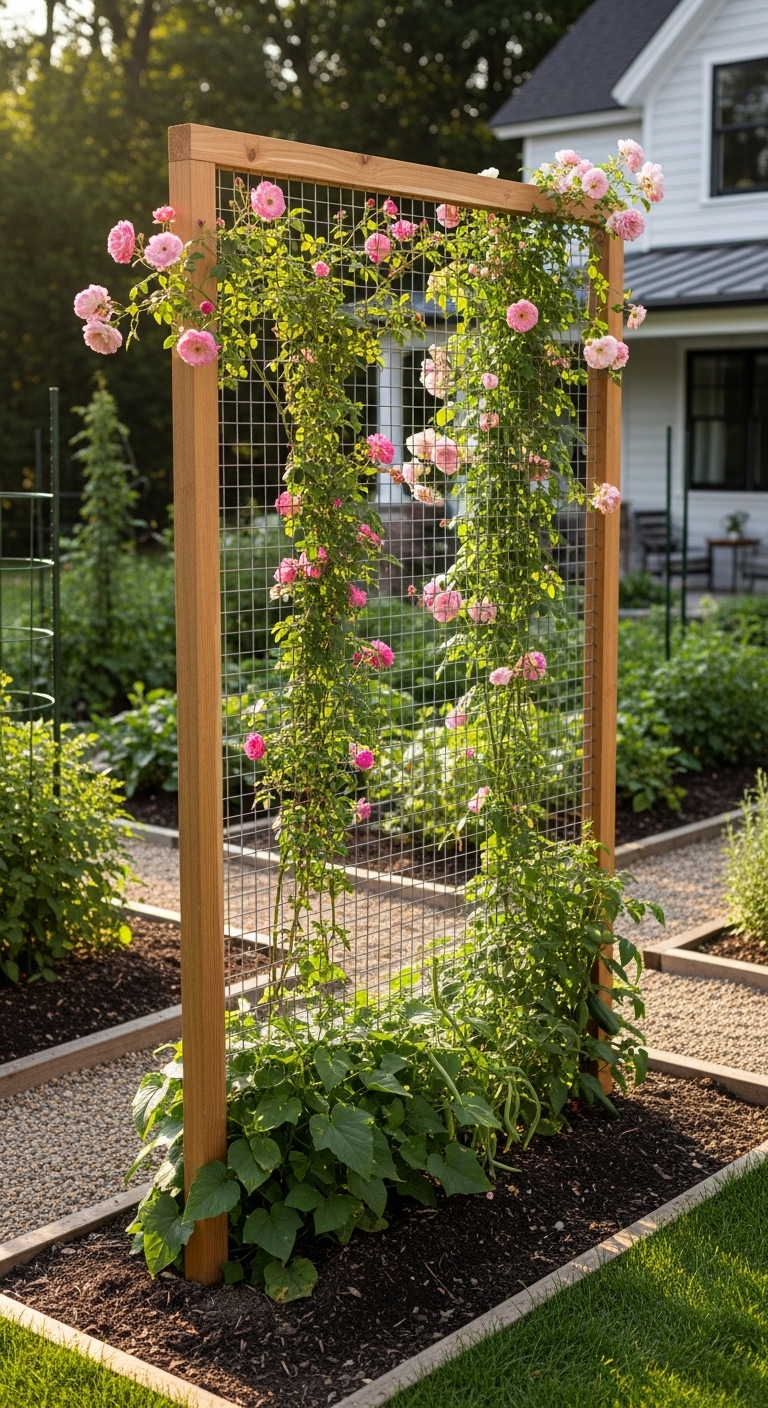
Hog wire — or stock fencing as it’s sometimes called — has become incredibly popular in modern farmhouse and contemporary garden design. Framed in cedar or pine, a hog wire trellis looks intentional, clean, and genuinely beautiful.
Build a simple rectangular wooden frame from 2×4 lumber. Then staple or attach a piece of hog wire panel to the back of the frame. Stand it upright between posts or anchor it directly into the ground. The result is a strong, open-grid trellis that handles heavy plants with ease.
Because the wire grid is quite open, this trellis also works brilliantly as a garden divider — creating defined zones within a larger space while still letting light and air flow through freely.
- Stain the wood frame dark for a contemporary look
- Use two panels side by side to create a longer trellis run
- This structure also works as a stylish fence panel for garden privacy
Idea 15: Living Willow Trellis
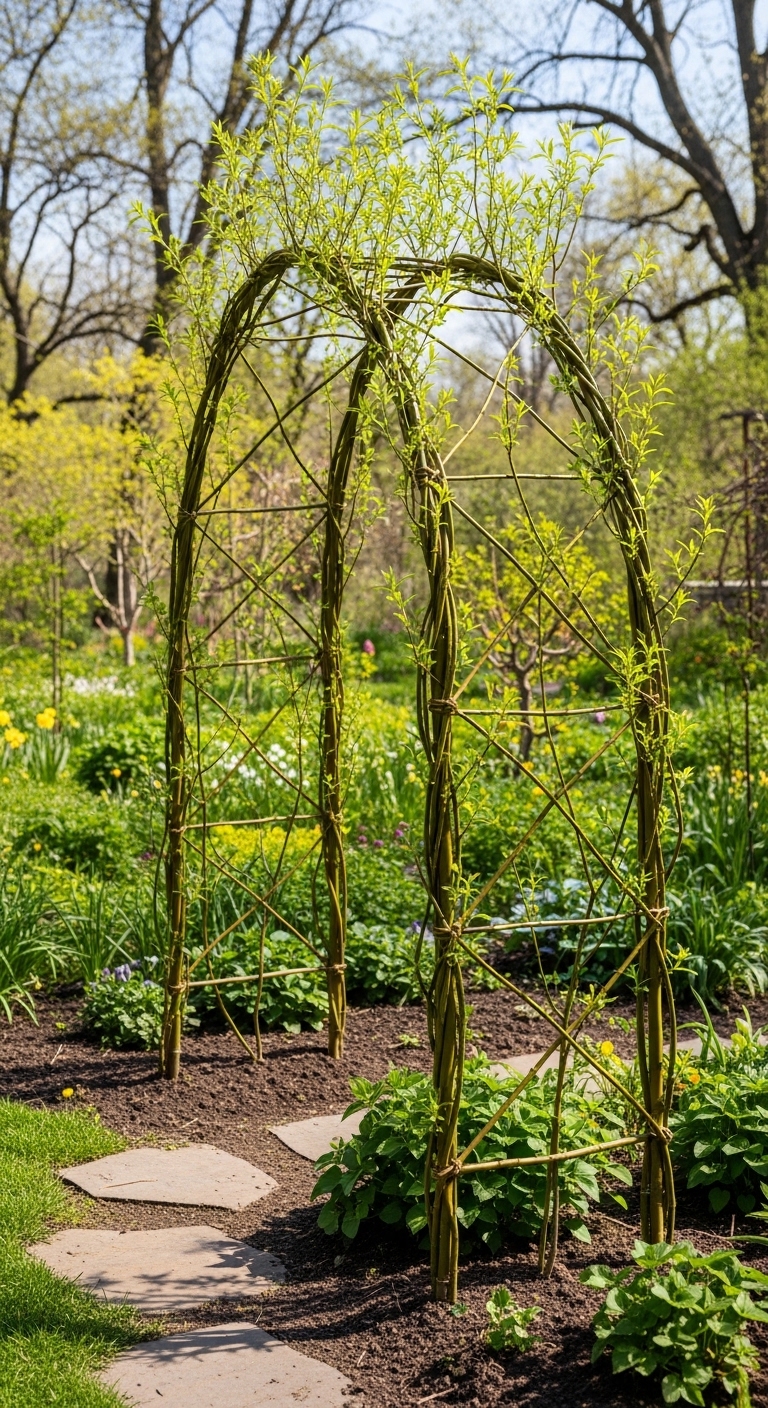
We saved one of the most magical ideas for last. A living willow trellis is exactly what it sounds like — a trellis made from fresh willow cuttings that actually takes root and grows. Over time, the structure itself becomes alive.
Push freshly cut willow rods directly into moist soil in the pattern you want — upright rods for the main frame, diagonal or horizontal ones woven through for structure. Willow roots incredibly easily from fresh cuttings, especially in spring. Within weeks, you’ll see green shoots and leaves emerging from the structure itself.
The living trellis keeps growing and filling in over subsequent seasons, creating something truly extraordinary — a structure that’s simultaneously sculpture, architecture, and living plant. Willow is also fast-growing, which means changes and adjustments are easy to make.
Tips for success:
- Use fresh, green willow rods cut in late winter or early spring for best rooting success
- Keep the soil consistently moist for the first few weeks while roots establish
- Trim back excess growth regularly to maintain the shape you want
Final Thoughts
There you have it — 15 genuinely achievable, beautiful, and practical homemade trellis ideas for every kind of garden and every kind of gardener. Whether you’re working with a sprawling backyard, a tiny balcony, a vegetable plot, or a formal flower garden, there’s something here that fits your space and your style.
The best trellis isn’t always the most expensive one or even the most elaborate one. It’s the one that actually suits your plants, your garden, and your hands-on effort. Start with one idea, build your confidence, and before you know it, you’ll be eyeing every corner of your garden thinking about what could grow vertical next.
Get out there and build something beautiful. Your plants — and your garden — will thank you for it.
- 15 Homemade Trellis Ideas (Easy DIY for Every Garden!)
- 15 Easy Painted Terracotta Pot Ideas for a Fresh DIY Makeover
- Which 15 Outdoor Grill Station Ideas Work Best for Small Backyards?
- Looking for Smart Storage? 12 Bathroom Cabinet Ideas You’ll Love
- How Can 10 Small Wardrobe Ideas Make Your Tiny Room Feel Bigger?