15 Outdoor Living Space Ideas to Transform Your Backyard
Not just a patch of grass you glance at through the window, but a real living space where morning coffee tastes better, dinner conversations stretch past midnight, and quiet evenings feel genuinely restorative. That kind of outdoor life is absolutely possible — and you do not need a massive budget or a landscape architect to make it happen. In this article, we are walking through 15 genuinely beautiful, practical outdoor living space ideas that will make you want to spend every possible hour outside. Whether you have a sprawling backyard, a modest patio, or even just a narrow balcony, something here is going to spark your next weekend project.
The Shaded Pergola Lounge
There is something almost magical about sitting under a pergola on a warm afternoon when the light filters through in long, lazy streaks and the air smells faintly of whatever is blooming nearby. A well-styled pergola lounge feels like an outdoor room with a personality all its own — sheltered enough to feel cozy, open enough to feel free. The combination of natural wood beams, soft textile draping, and comfortable upholstered seating creates a space that practically begs you to slow down and stay awhile. It has that wonderful ability to make even a Tuesday evening feel like a mini vacation.
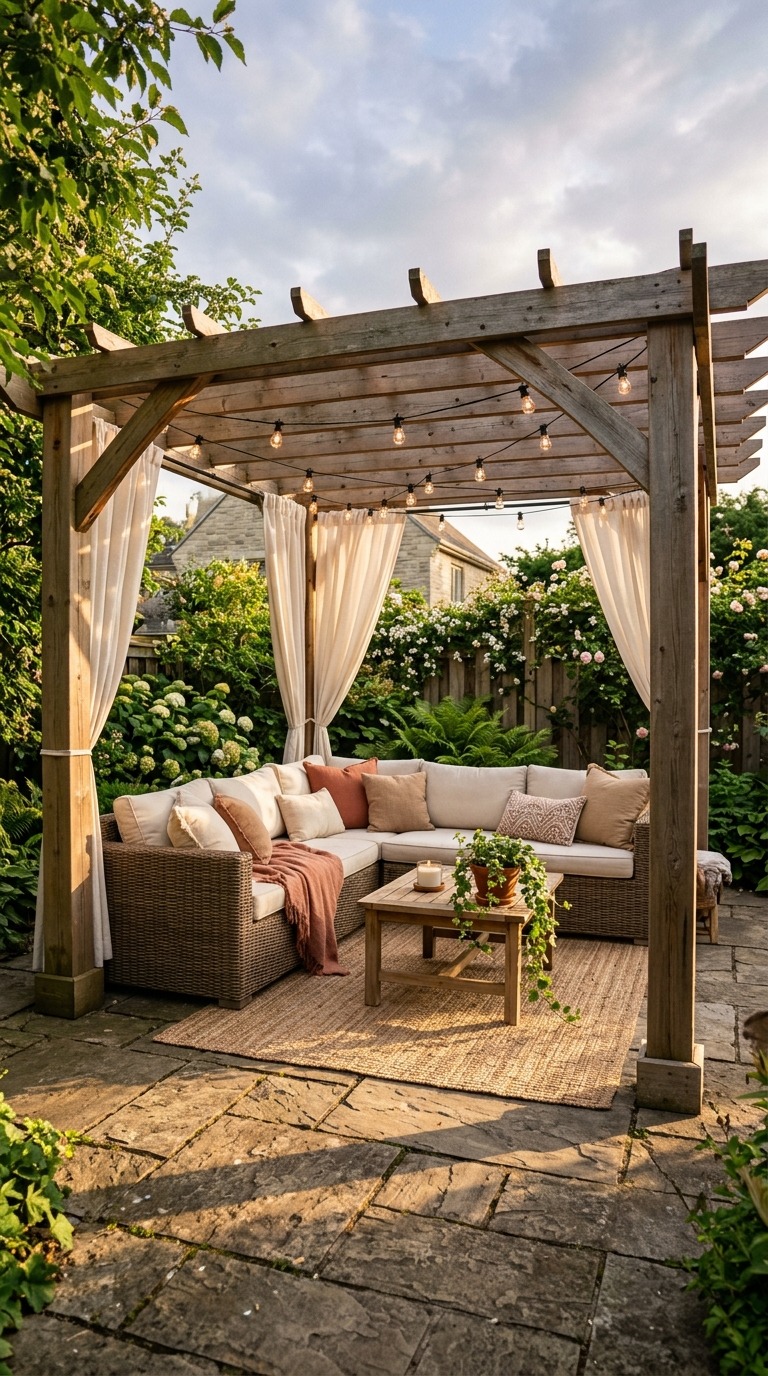
To bring this to life, start with a solid pergola structure — cedar and pressure-treated pine both weather beautifully over time. Draping the beams with outdoor curtain panels in a natural linen or canvas fabric instantly softens the whole structure and gives you privacy without closing off the space entirely. Choose a sectional or a pair of deep lounge chairs rated for outdoor use, and layer in cushions with removable, washable covers so you are never worried about the weather. Finish with a string of warm Edison bulbs overhead and a low side table within easy arm’s reach. The whole setup becomes a place you genuinely live in, not just a space you photograph once and forget.
The Firepit Gathering Circle
Nothing brings people together quite like fire. There is a reason every backyard gathering eventually drifts toward the firepit — the warmth, the glow, the way conversation flows so easily when everyone is sitting in a circle watching flames. A well-designed firepit seating area feels intentional rather than accidental, and that single difference transforms a random backyard corner into the social heart of your entire outdoor space. When the nights get cool and the stars start showing up, this becomes the spot where stories get told and nobody wants to go inside.
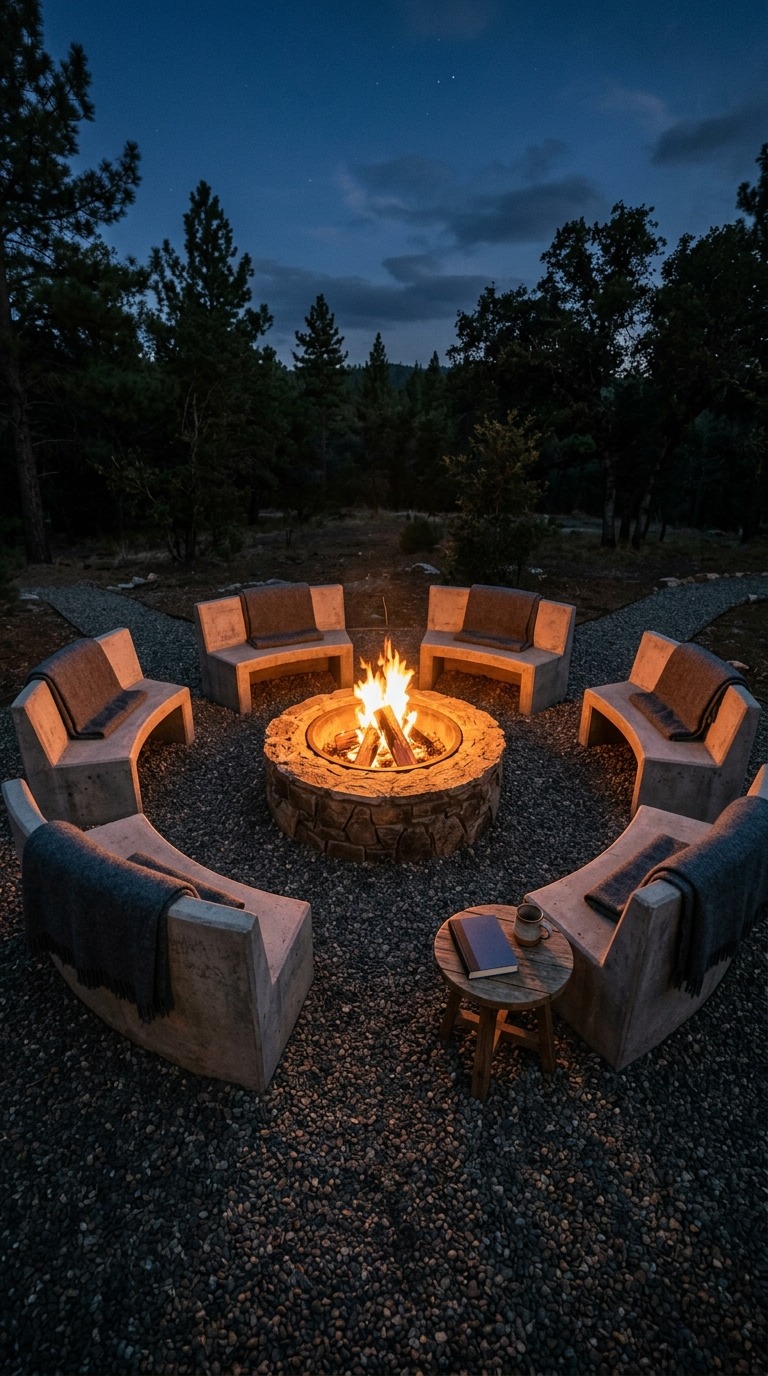
For the best version of this space, think in circles. Curved seating works beautifully here — built-in concrete benches, curved modular sectionals, or even a simple ring of Adirondack chairs all create that natural communal pull. Leave enough space between the firepit and seating that people feel comfortable — roughly six to eight feet is the sweet spot for safety and warmth. Layer in weather-resistant throws draped over the seating backs, add a flat-topped storage bench nearby for firewood and supplies, and set a few low lanterns in the surrounding ground to extend the warm ambiance. The firepit does not have to be elaborate — even a clean steel bowl design on a gravel pad looks stunning and costs very little.
The Outdoor Kitchen and Dining Terrace
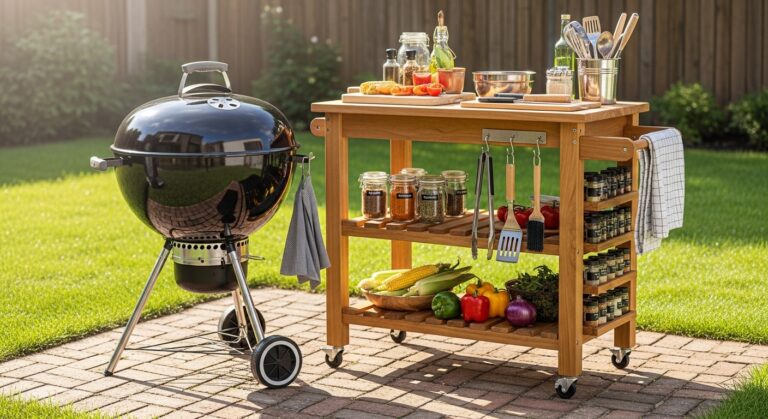
An outdoor kitchen turns your backyard into a place where life actually happens — where cooking smells drift through warm air and dinner somehow always tastes better than it does inside. Even a modest setup with a quality grill, a prep counter, and a proper dining table completely changes how you use your outdoor space from spring through fall. You stop treating the backyard like an afterthought and start treating it like the main event. Guests always end up congregating here, drawn to the energy and warmth of food being made in the open air.
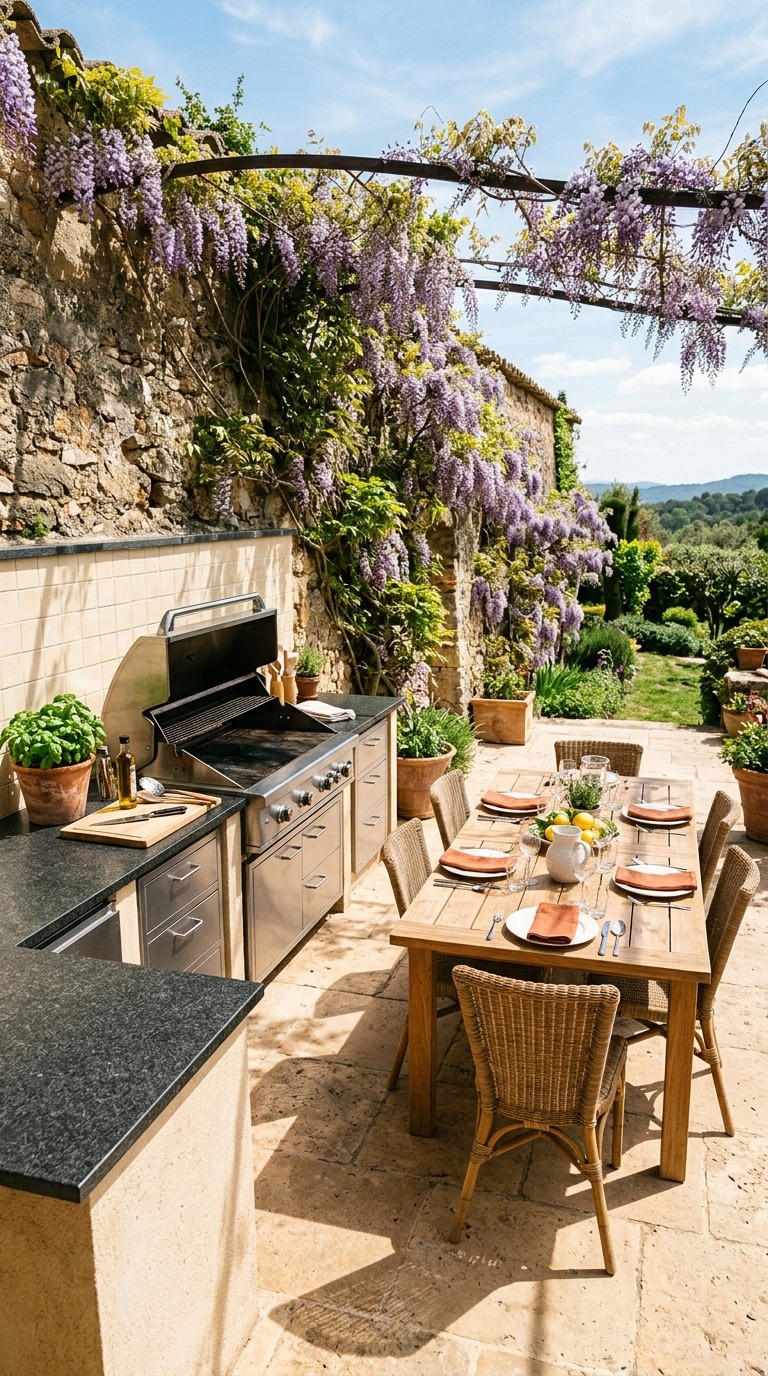
The secret to a functional outdoor kitchen is treating it like a real kitchen — not just a grill dropped on the patio. Invest in a countertop surface that can handle heat and weather — sealed concrete, granite, and porcelain tile all perform brilliantly outdoors. Add a small bar fridge if your space allows, and run a utility sink nearby if plumbing access is possible, because not having to run inside every five minutes is an absolute game-changer for entertaining. For the dining area, a solid teak or powder-coated aluminum table will last for years with minimal care. Pair it with comfortable dining chairs that have removable cushion covers and you have a setup that handles everything from casual weeknight dinners to full weekend entertaining beautifully.
The Cozy Balcony Nook
Small spaces have a special kind of charm when they are done right — and a well-styled balcony nook proves that you do not need square footage to create something genuinely beautiful. This is the kind of spot where quiet twenty minutes with your coffee actually recharges you, where city sounds below feel pleasantly distant, and where a tiny space holds a complete little world if you curate it with intention. A compact balcony done thoughtfully always punches well above its weight in terms of daily joy.
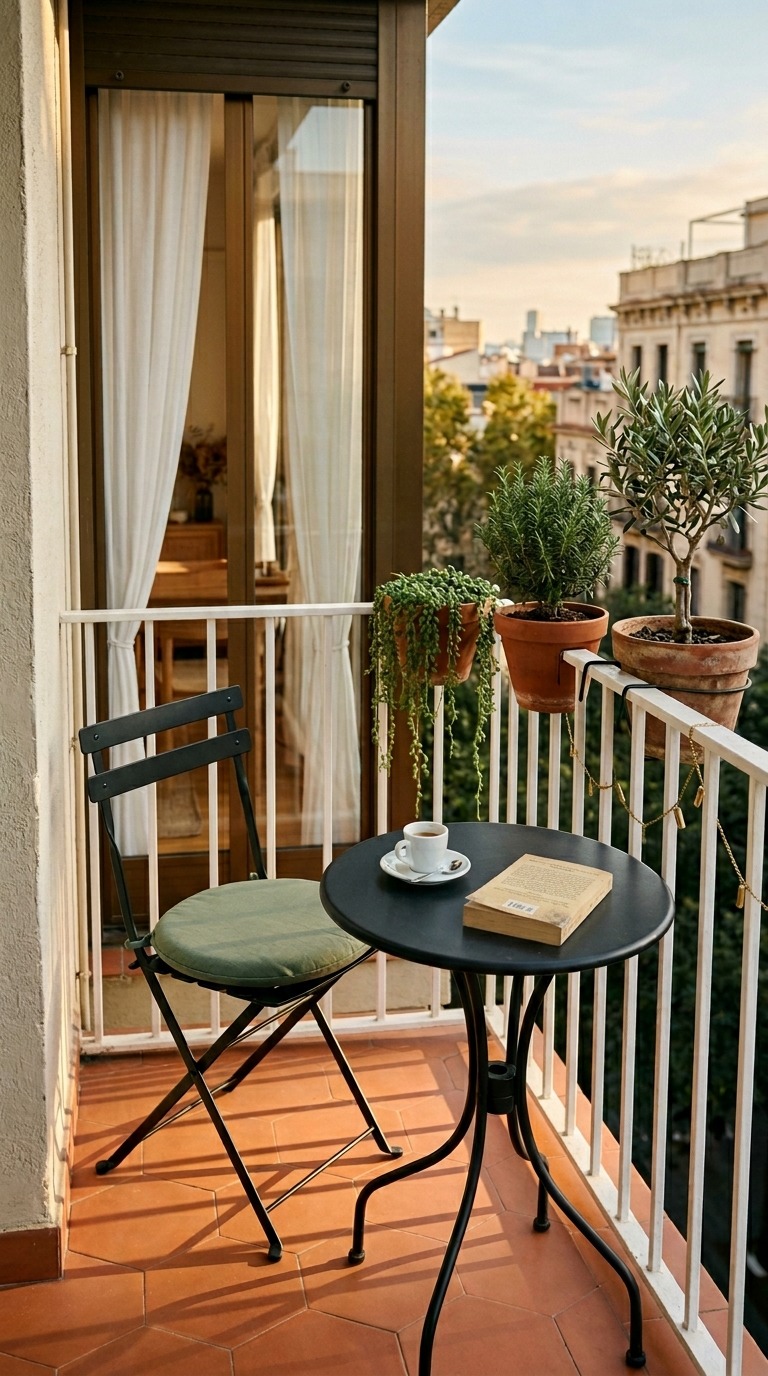
When working with a compact balcony, every piece needs to earn its place. Choose furniture that folds or stacks so you can reclaim floor space when you need it — a folding bistro table and a pair of lightweight chairs are the classic solution for good reason. Vertical gardening is your best friend in small outdoor spaces — wall-mounted planters, a slim tiered plant stand, or a hanging herb garden all add lush life without eating up precious floor area. A small outdoor rug in a warm tone visually defines the seating zone and makes the whole thing feel intentional. Add a single lantern or a strand of solar-powered fairy lights along the railing and your tiny balcony becomes the most inviting corner in your entire home.
The Hammock Garden Retreat
A hammock tucked into a garden corner has a completely different energy from every other outdoor seating option — it is permission to do absolutely nothing, and that is entirely the point. The gentle sway, the filtered light through leaves overhead, and the natural ground sounds create conditions for genuine rest that a patio chair simply cannot replicate. When you create a dedicated hammock retreat in your garden — even a small one — you are telling yourself that rest actually matters here. That message alone makes a home feel more like a sanctuary worth returning to every single day.
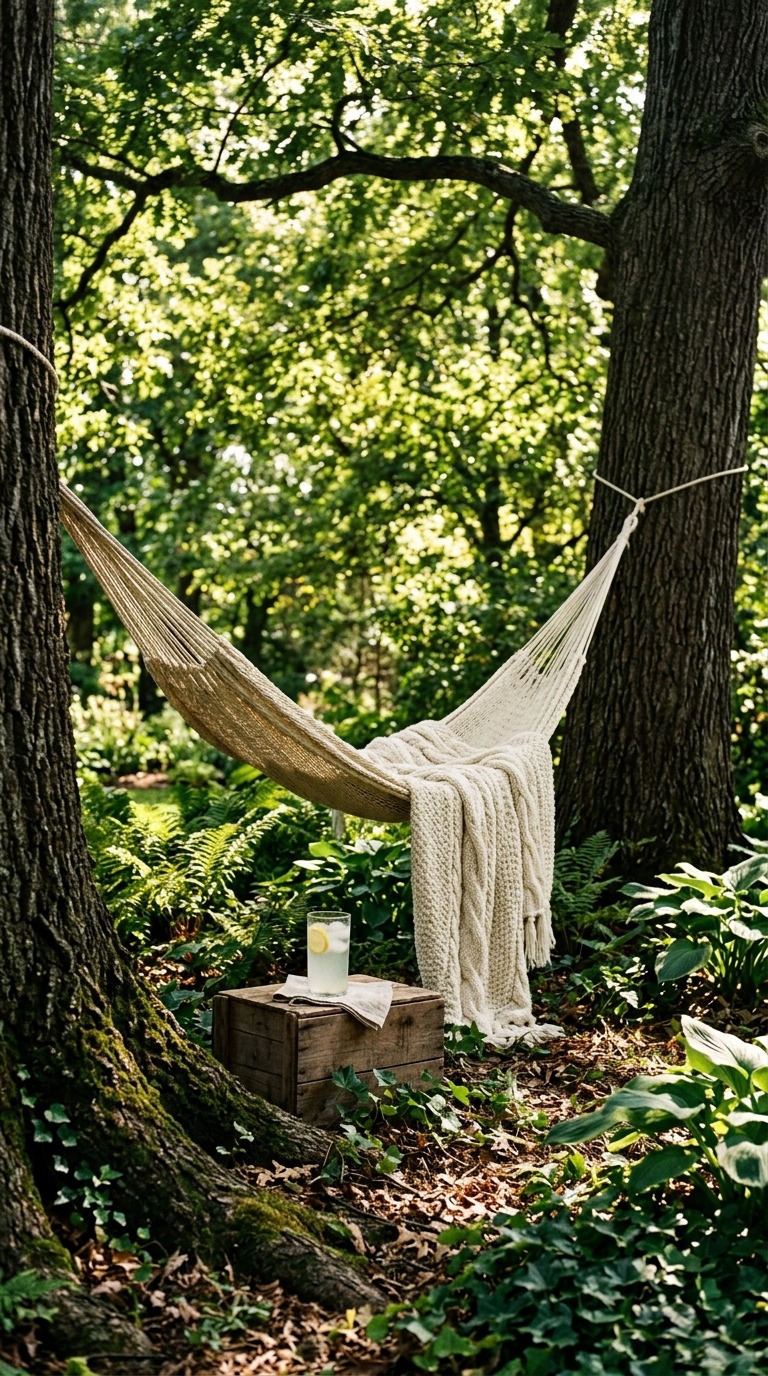
If you are lucky enough to have two established trees the right distance apart, a simple rope or fabric hammock hung between them is pure outdoor living at its finest. For everyone else, a quality free-standing hammock frame gives you full flexibility and can be positioned anywhere on the property. Weatherproof cotton and Sunbrella fabric hammocks hold up beautifully across seasons and feel genuinely comfortable for long stretches of time. Surround the space with low plantings — ferns, hostas, ornamental grasses — to give it that tucked-away feeling of a private retreat. A simple side crate or flat stone beside it for your drink and book completes the picture without overcomplicating a space that is meant to feel effortlessly natural.
The Container Garden Patio
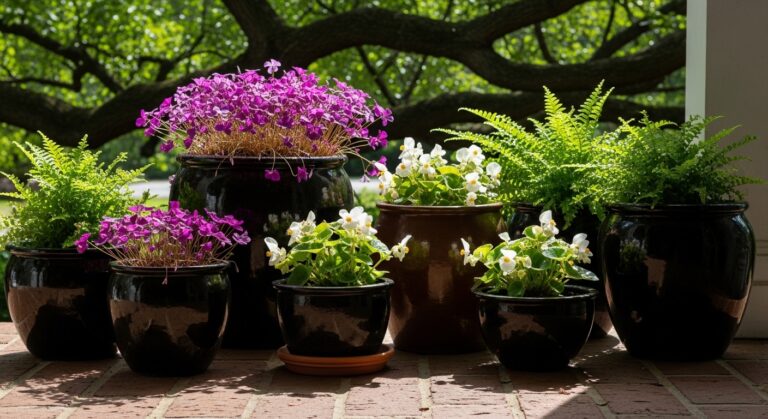
There is genuine joy in watching plants thrive in containers you chose and arranged yourself — it gives even a paved concrete patio the feeling of a cottage garden in full bloom. Container gardening lets you control exactly what grows where, change the layout on a whim, and bring intense bursts of color and texture to spaces where in-ground planting is simply not possible. A beautifully clustered collection of pots at different heights creates visual depth and layers that feel rich and curated rather than flat and incidental. This approach works equally well on a rooftop terrace, a front stoop, or a suburban patio with no soil in sight.
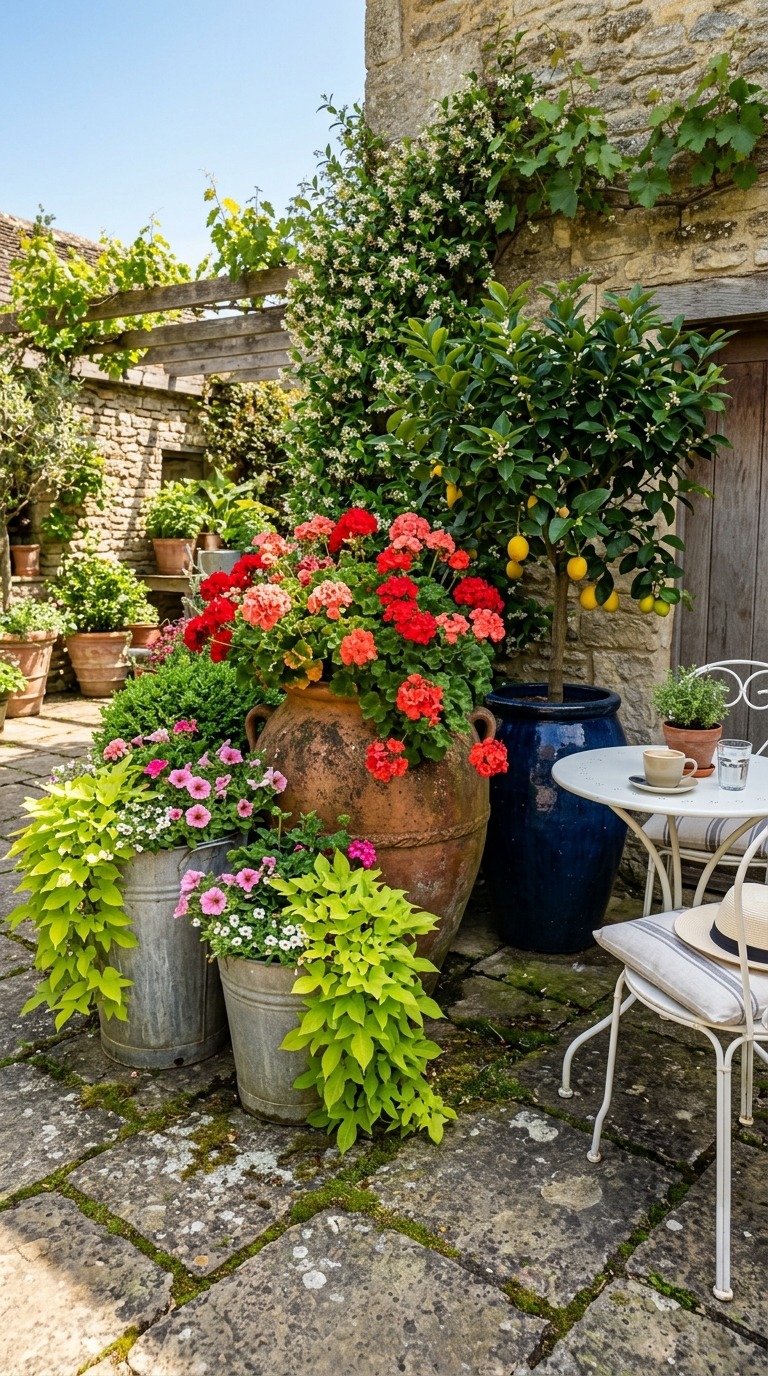
The key to a container garden that looks genuinely lush rather than sparse is planting in threes — a tall thriller plant in the center, a mounding filler plant around it, and a trailing spiller cascading over the edge. This classic combination makes every single pot look intentional and full. Choose containers in coordinating but not perfectly matching finishes — mixing terracotta, glazed ceramic, and weathered zinc creates that collected-over-time feeling that styled spaces always have. Group pots in odd numbers and vary their heights by using overturned pots or simple wooden risers underneath smaller ones. Water consistently, fertilize monthly through the growing season, and you will have a patio that looks genuinely magazine-worthy by midsummer.
The Outdoor Movie Night Setup
The first time you watch a movie outside under an open sky, something shifts permanently — you realize how much better almost every experience feels when it happens outdoors. An outdoor movie night setup does not require a permanent installation or a large budget, and it transforms your backyard into the most popular destination in the neighborhood from late spring straight through early fall. The combination of warm lighting, relaxed floor seating, and wide-open air creates an atmosphere that no living room can fully replicate regardless of how nice your indoor television is.
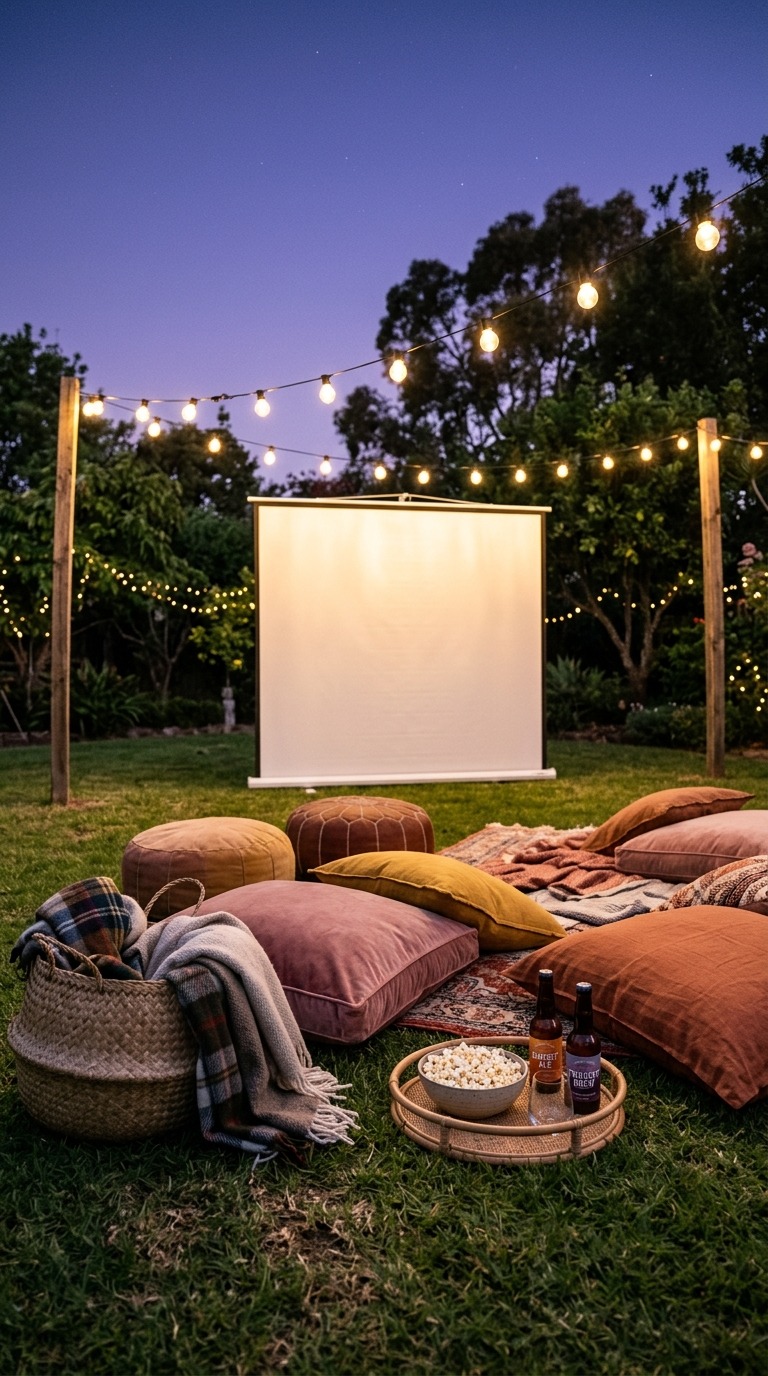
Setting up an outdoor movie night is genuinely easier than you might expect. A compact portable projector — most good options today cost under two hundred dollars — paired with a simple inflatable or freestanding screen gives you a clear, bright picture even in fading evening light. Floor cushions, oversized poufs, and layered blankets create that relaxed casual seating vibe that makes the whole experience feel like a real event rather than just a backyard experiment. Set up a small snack station nearby — a wooden tray on the ground with popcorn, drinks, and a few candles — and you have everything you need. Run a power cable through a discreet outdoor-rated extension cord, test the audio with a small Bluetooth speaker positioned slightly behind your seating area, and you are ready for the best movie night you have had in years.
The Meditation and Yoga Garden
There is a particular kind of stillness that only an outdoor meditation space can offer — the sound of birds, the feeling of natural ground beneath you, and open sky above create conditions for genuine mental clarity that no indoor studio can fully match. When you designate even a small corner of your garden specifically for quiet practice, you create a physical reminder that this time matters. The garden itself becomes part of the ritual — walking to it, settling into it, and leaving it all feel purposeful. Over time, the space holds a quality of calm that is almost tangible, and you find yourself drawn there on even the most chaotic days.
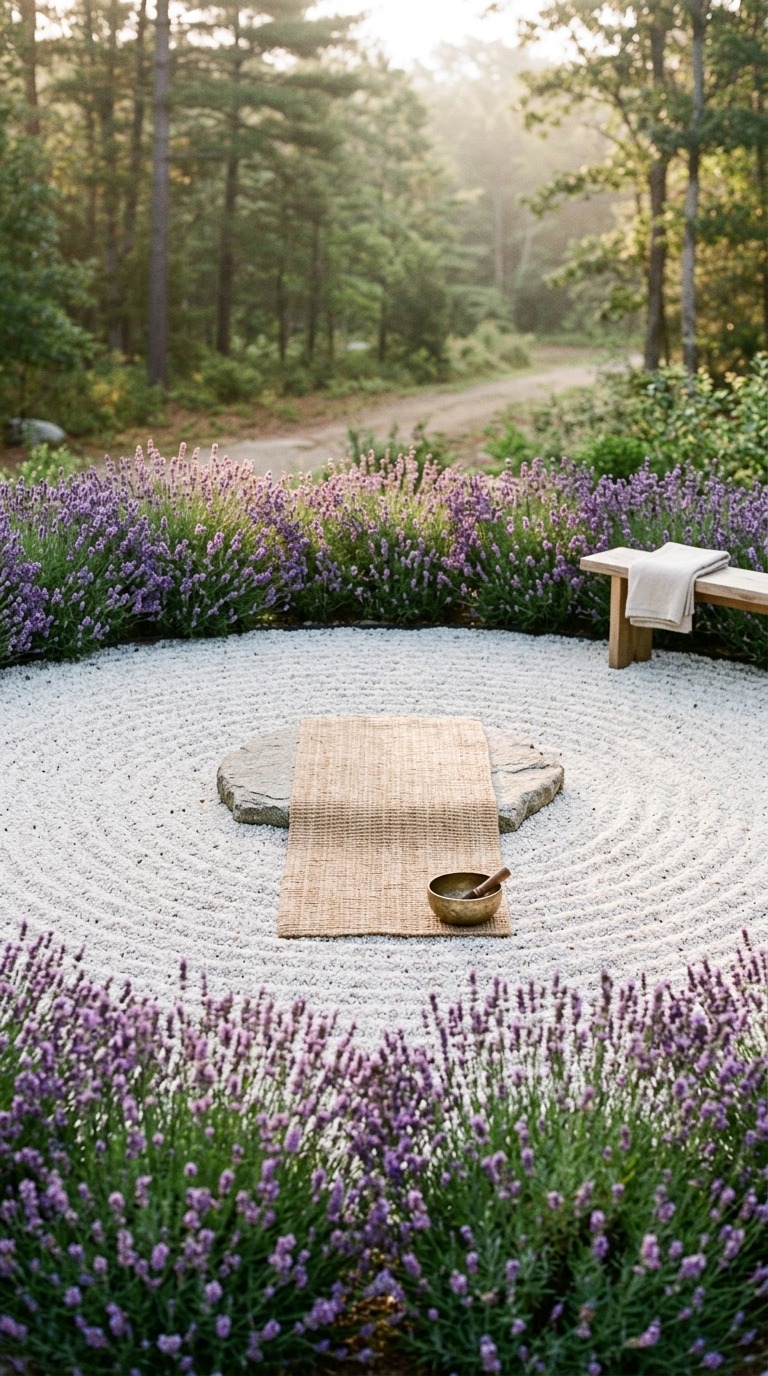
Creating this space does not require elaborate design — in fact, simplicity is the whole point. Choose a spot with some natural shelter from trees, a fence, or tall plantings, that gives you a sense of privacy without full enclosure. Smooth gravel, natural stone pavers, or a simple wooden deck platform all make excellent barefoot-friendly surfaces for practice. Keep the surrounding planting calm — lavender, ornamental grasses, and white flowering perennials create a sensory environment that naturally quiets the mind. Add a single simple bench at the edge for transitioning in and out, and resist the urge to add too much. The less you put here, the more powerful it becomes as a space for genuine presence and rest.
The String Light Dining Canopy
Dining under a canopy of warm string lights is one of those experiences that never loses its magic — it has the feeling of an Italian courtyard restaurant combined with the comfort of your own home, and every meal eaten here feels instantly more special than it would inside. The warm amber glow that Edison string lights cast is genuinely flattering to food and to the whole mood of the evening, which is probably why this setup has remained enduringly popular across every style of outdoor design. It turns an ordinary weeknight dinner into something that quietly feels celebratory without any extra effort at all.
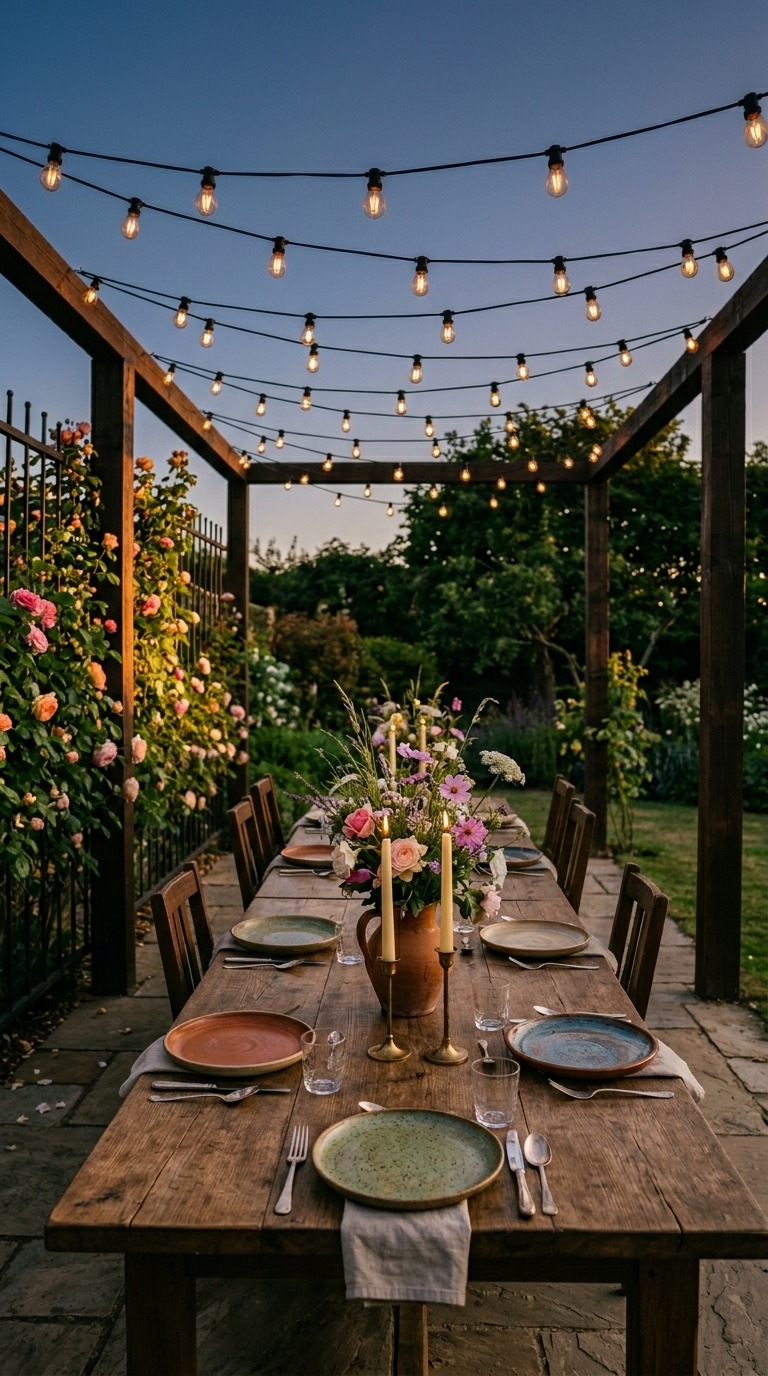
The structure for this setup is simpler than it looks. Four sturdy wooden or metal posts anchored at the corners of your dining area give you the framework to string lights in a grid or radial pattern overhead — no permanent structure required. Use outdoor-rated string lights with vintage-style bulbs for that warm amber glow that feels inviting rather than harsh, and plan your layout on paper before you start so the lines run clean and even. Hang the lights slightly lower at the center to create that natural canopy drape. Keep the table styling simple — a low centerpiece of fresh or dried flowers, a few candles, and natural linen napkins are all you need. The lights do the heavy lifting for atmosphere and everything else falls beautifully into place beneath them.
The Poolside Lounging Deck
A poolside lounging deck done well feels genuinely resort-like — and that feeling of being on vacation in your own backyard is one of the most luxurious things you can create without ever leaving home. It is not just about having somewhere to put your towel — it is about creating a whole environment around the pool that invites you to slow down and actually enjoy the space you have invested in. When the deck furniture, the shade solution, and the surrounding planting all work together thoughtfully, the entire area transforms from a functional zone into a personal destination.

Teak is the gold standard for poolside furniture because it genuinely does not care about water, sun, or humidity — it just slowly turns a beautiful silver-grey that looks better with every passing year. For sun loungers, wide double-width versions are worth every penny if your space allows because they make the whole space feel more generous and relaxed. Always include a shade option — an oversized umbrella, a sail shade, or a small pergola overhead — because having the choice between sun and shade makes people stay outside far longer. A small side table at every lounger for drinks and sunscreen sounds obvious but makes an enormous difference in how actually comfortable and functional the space feels through an entire long summer day.
The Sunken Seating Area
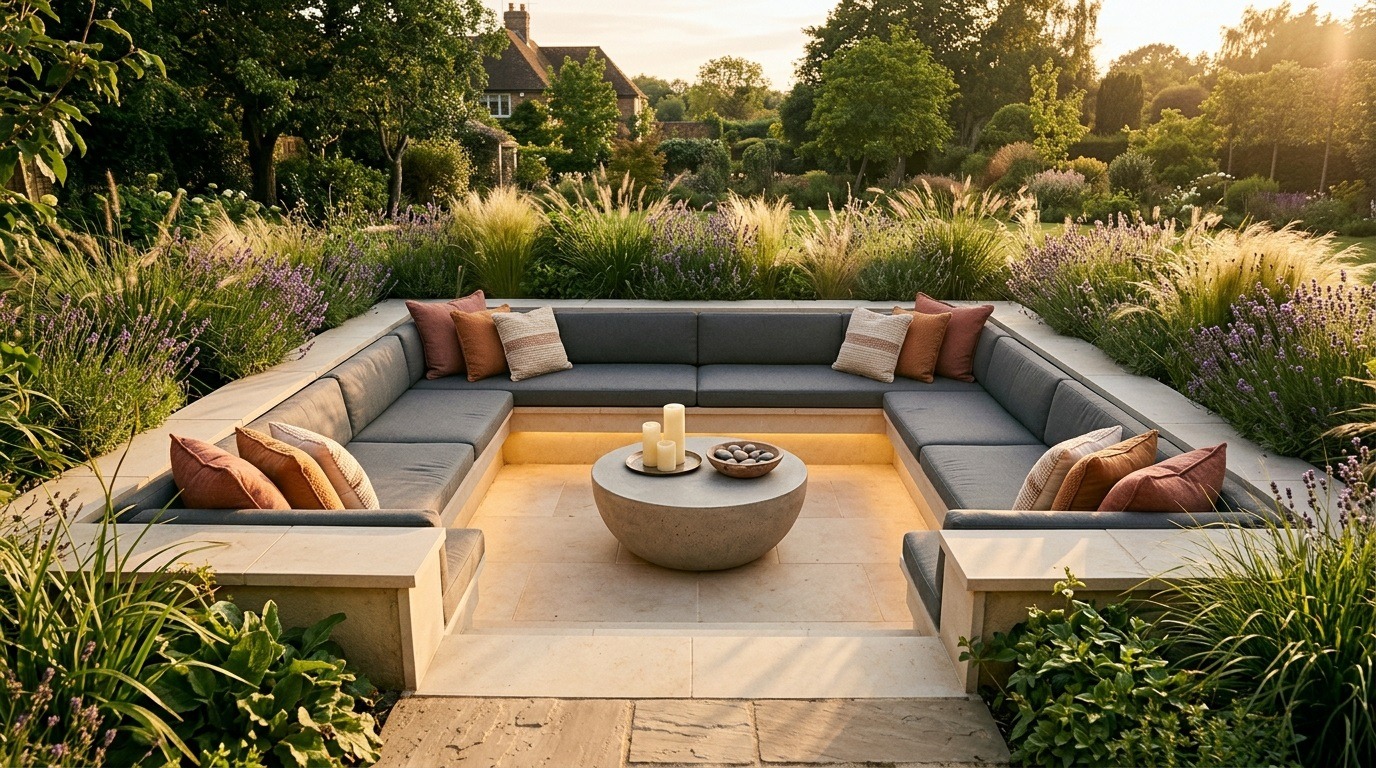
Stepping down into a sunken seating area feels genuinely different from sitting anywhere else in your garden — there is an immediate sense of shelter, intimacy, and being held by the space that no above-ground furniture arrangement can replicate. The rest of the garden rises around you, the noise of the outside world seems to drop away, and conversation flows in that particular easy way it only does when everyone feels genuinely settled and comfortable. This is the design detail that turns a flat, ordinary backyard into something that stops visitors completely in their tracks the first time they see it. It has the energy of something architecturally considered and permanent — like it was always meant to be exactly there.
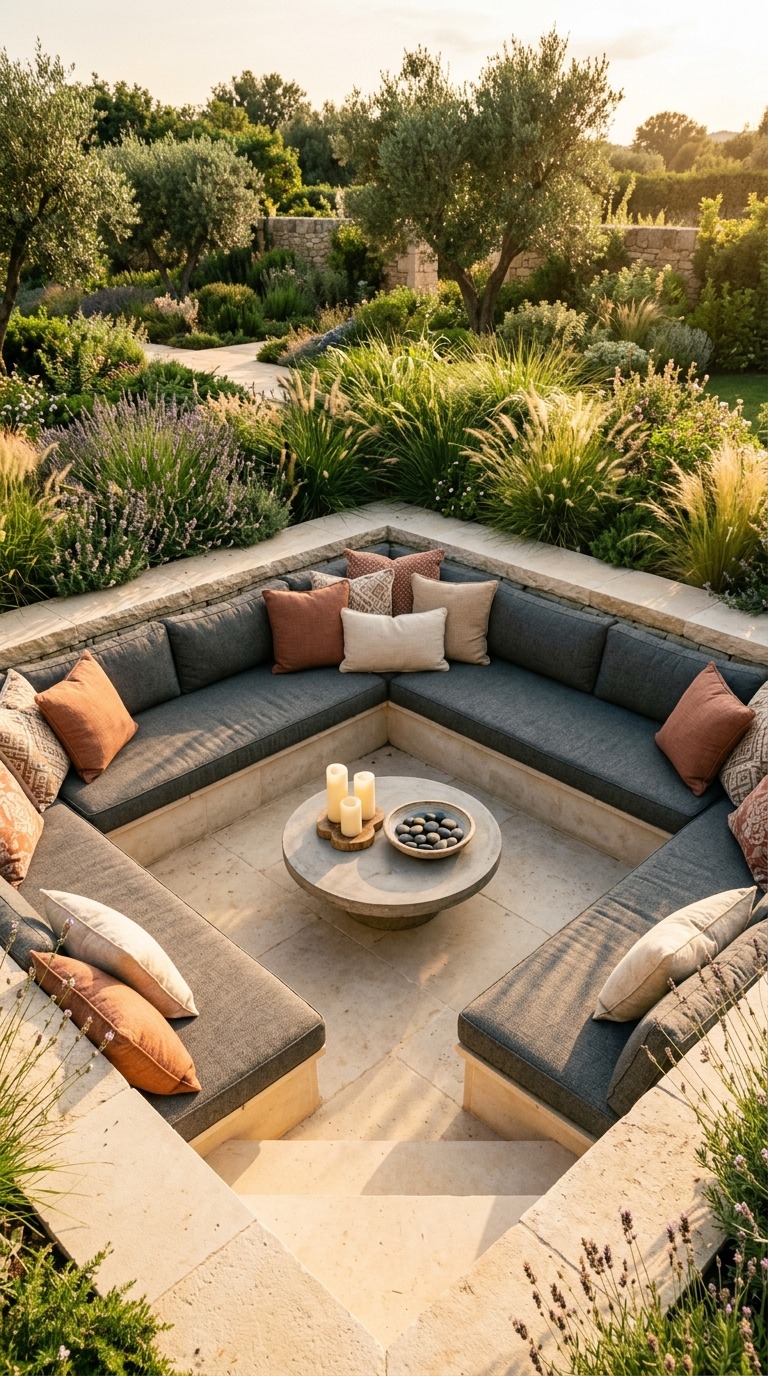
The depth does not need to be dramatic to deliver the full effect — lowering the floor by just two steps is enough to create that powerful sense of enclosure and privacy that makes sunken spaces so compelling. Built-in concrete or stone bench seating around the perimeter is the most durable and visually clean solution, and layering it with thick weatherproof cushions and generous outdoor throw pillows makes it every bit as comfortable as your best indoor sofa. A central firepit or a low round coffee table both work beautifully as the focal anchor depending on whether you want warmth or pure lounging energy at the heart of the space. Edge the surrounding garden level with low ornamental grasses, lavender, or rosemary spilling gently over the stone coping, and the whole sunken area feels like a private garden room that the rest of the world simply cannot see into.
The Garden Pathway Walkway
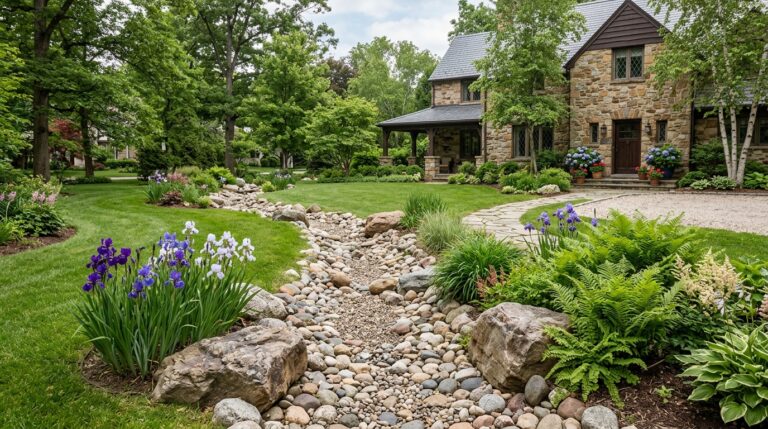
A garden pathway is the quiet invitation your outdoor space makes to everyone who enters it — it sets the entire mood before you have even sat down anywhere. When a path winds gracefully through a garden with plants softening its edges and interesting moments placed along the way, walking through your own backyard starts to feel genuinely enchanting rather than purely practical. The journey from your door to your garden seating area becomes part of the experience, and that single design decision adds more sensory richness to your outdoor space than almost anything else you could invest in.
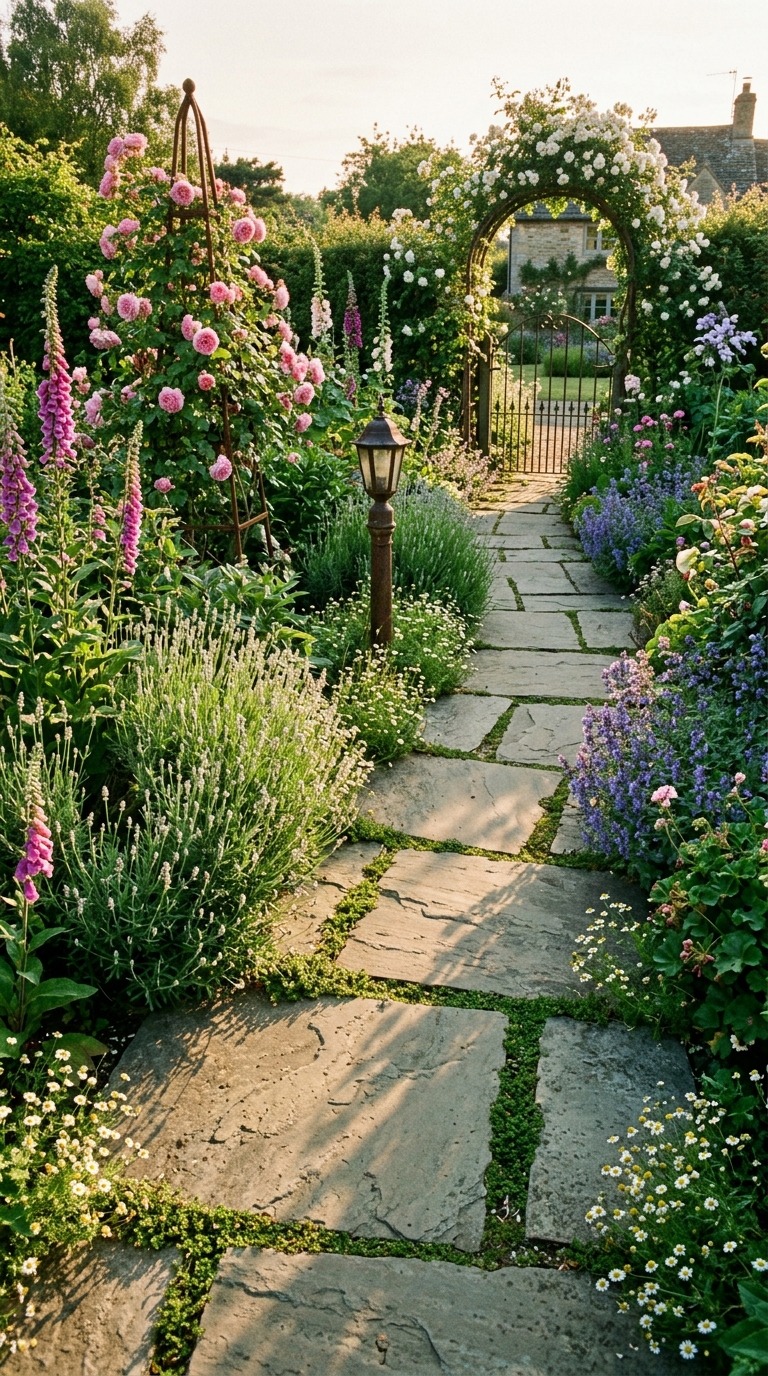
Natural flagstone, reclaimed brick, and decomposed granite are all beautiful, affordable pathway materials that look increasingly good with age rather than worse. The secret to a path that feels designed rather than purely utilitarian is allowing plants to blur the edges — letting creeping thyme, sweet alyssum, or chamomile grow between the stones and spill slightly over the borders. This softness is what transforms a functional path into a genuine garden feature. Add a simple overhead arch or a garden gate somewhere along the route, and place a single interesting element — a sculptural plant, a mossy stone sphere, a beautiful ceramic garden vessel — at one curve to reward the eye and keep the journey visually interesting. The path does not need to be long to feel meaningful — even ten feet of beautifully designed walkway changes how an entire garden feels to move through.
The Vertical Garden Feature Wall
A vertical garden wall stops people in their tracks — it is genuinely one of the most visually dramatic things you can do to an outdoor space without touching the actual floor plan at all. A full living wall covered in varied textures of foliage transforms a plain fence or rendered wall into something that feels alive, curated, and genuinely extraordinary. It brings lush garden energy to the most paved, hardscaped, or compact outdoor environments, which is why it has become such a beloved design choice for urban gardens, rooftops, and courtyard spaces where horizontal planting space is limited or completely nonexistent.
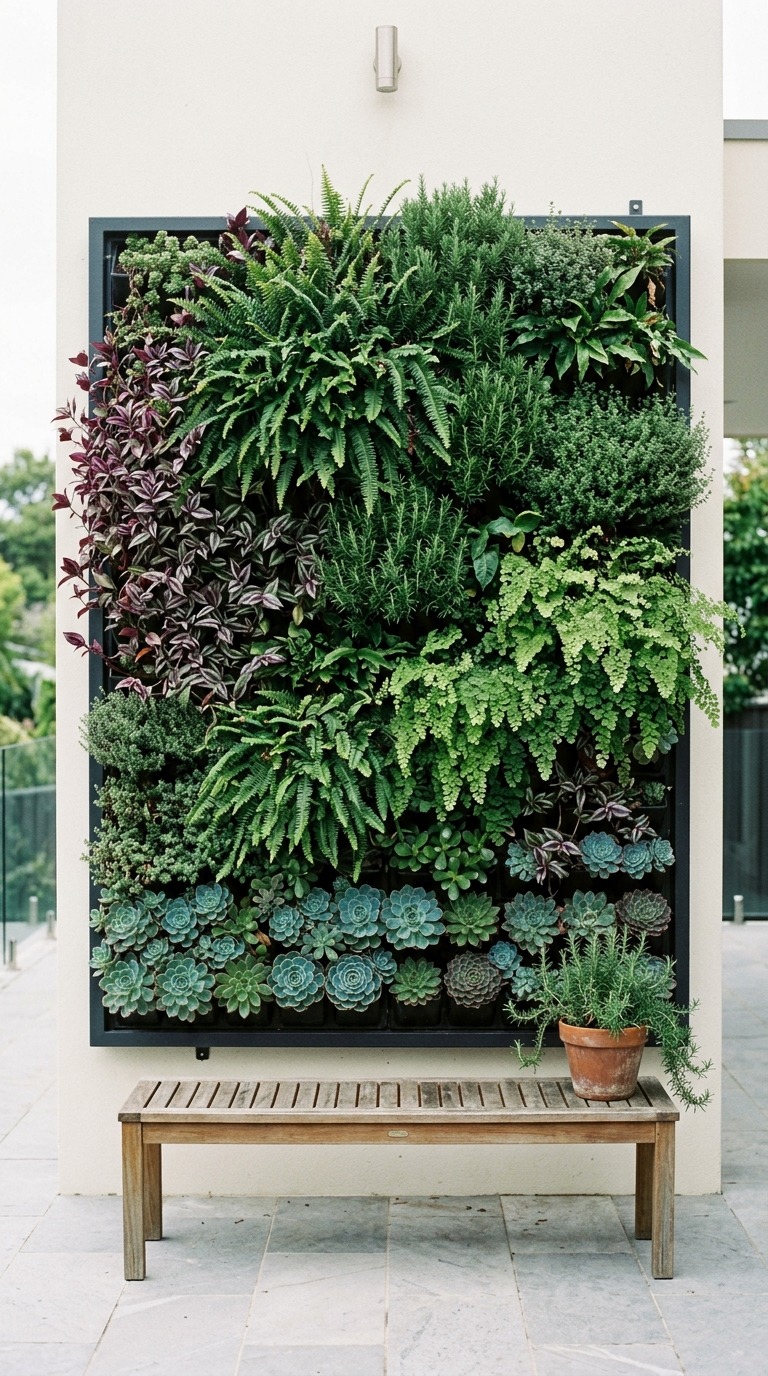
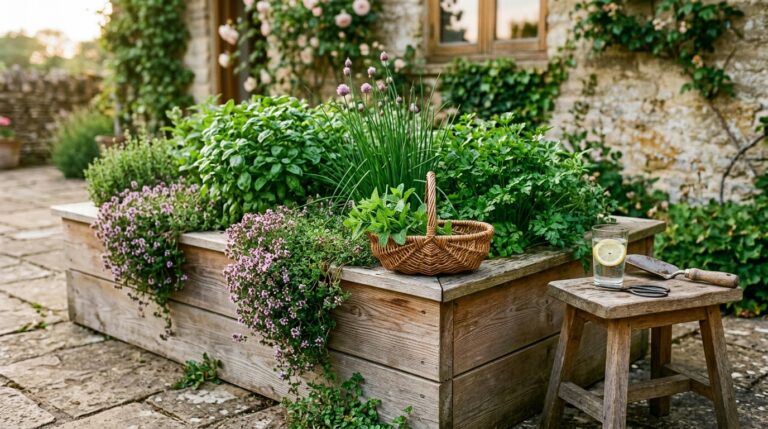
The practical approach most homeowners find works best is a modular pocket planter system attached to a sturdy wall or mounted on a freestanding frame — these are widely available, relatively affordable, and let you rearrange or refresh individual plants without disrupting the whole installation. For the most visually interesting result, mix leaf textures and growth habits freely — combine large bold fern fronds with trailing tradescantia, fine-textured herbs, and compact succulents in a deliberately varied arrangement. Installing a simple drip irrigation line along the back of the frame makes maintenance dramatically easier and ensures nothing gets missed in the daily watering routine. Choose a mix of edible herbs in the most reachable sections — basil, thyme, mint, parsley — and you end up with a living wall that is both beautiful and genuinely useful every time you cook.
The Lantern-Lit Twilight Terrace
There is a version of your outdoor space that only exists after dark — softer, more intimate, and completely transformed by the quality of light you bring to it. A lantern-lit terrace at twilight has a romance and warmth that no daytime styling can replicate, and it genuinely turns an ordinary Tuesday evening on the patio into something that feels like a deliberate, beautiful choice. When you invest thought into your outdoor lighting rather than leaving it to a single overhead fixture, the whole character of your terrace shifts the moment the sun goes down.
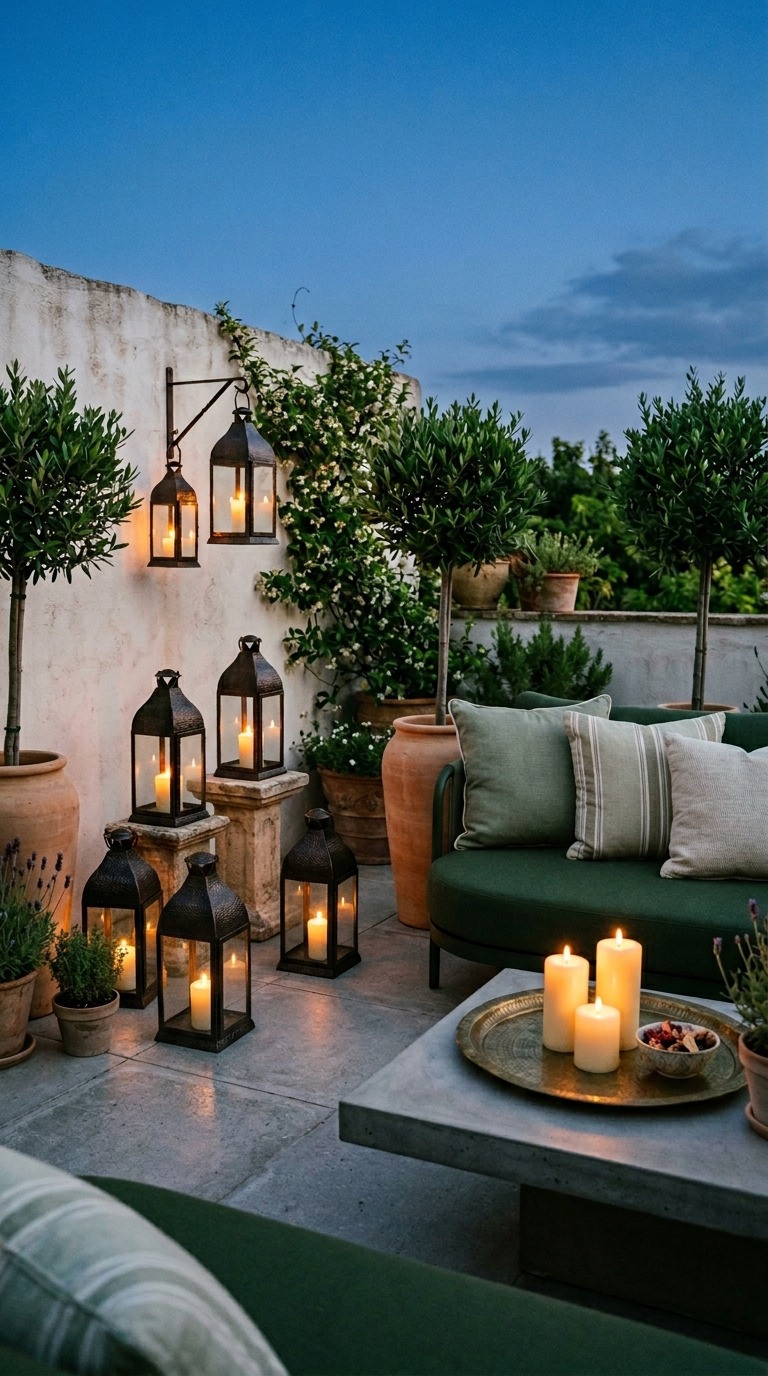
The most effective lantern arrangements work in layers — some placed on the ground, some on surfaces, and some hung at varying heights to create visual movement and depth through the space. Mix pillar candles, tea lights in glass holders, and genuine iron lanterns for the richest and most layered effect. Battery-operated flameless candles are a sensible investment for windy locations because they maintain the visual warmth without the fire management concern. Group lanterns in odd numbers and vary their heights — three lanterns of different sizes together always look more intentional than three identical ones in a perfect row. Add a few potted olive trees or tall ornamental grasses as living structure around the seating area and your terrace will look genuinely stunning from the moment dusk begins to settle across the garden.
The Kids’ Outdoor Play and Gathering Space
A backyard that works beautifully for kids and equally well for adults is one of the most genuinely valuable outdoor design achievements a family can create together — and it is entirely possible with a little thoughtful planning. When children have a dedicated, engaging outdoor space truly designed with them in mind, they spend more time outside, parents feel more relaxed, and the whole backyard becomes a place the entire family gravitates toward naturally. The energy of a well-loved family garden is absolutely irreplaceable and worth every bit of the planning it takes to get right.
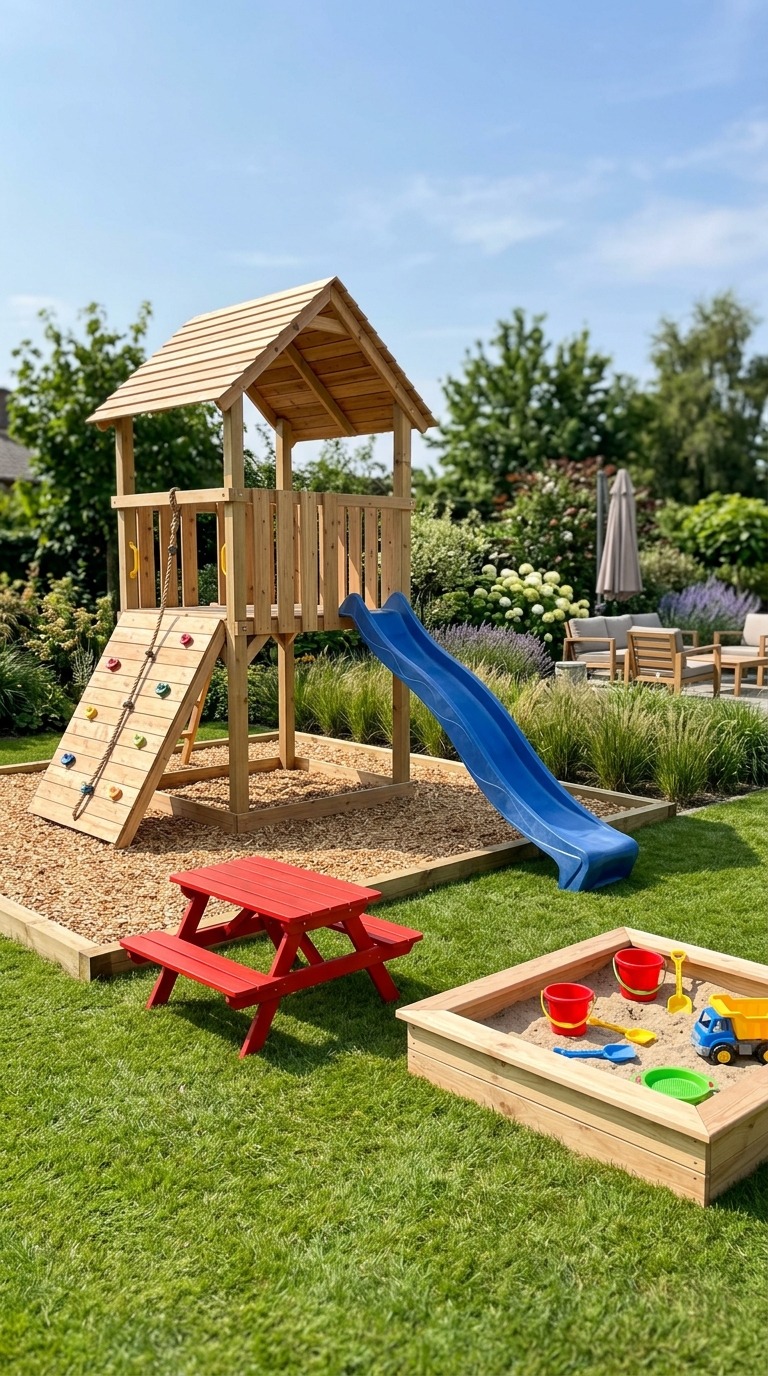
The smartest approach is zoning your outdoor space with gentle natural dividers — ornamental grasses, low raised beds, or a simple change in ground material all signal the transition between the active kids’ zone and the calmer adult gathering area without creating hard barriers. For the kids’ zone, natural cedar play structures age gracefully and blend far better with garden surroundings than brightly colored plastic alternatives. Include a sandbox, a water play element in summer months, and a small table and chairs sized right for little people — children love having furniture that actually fits them. Keep the adult seating area close enough to maintain easy visual connection, and plant the borders generously so both zones feel embedded in a real garden rather than just dropped onto the lawn as an afterthought.
Your outdoor space is waiting for you right now — not the version it could be someday, but the beginning of it, starting today. You do not need to tackle all fifteen ideas at once — pick the one that made your heart lift when you read it, and start there. Even a single afternoon spent rearranging cushions, hanging lights, or planting a few containers can completely shift how a space feels and how often you actually choose to use it. Your home deserves to be beautiful on the outside too, and honestly, so do you.