12 Small Backyard Garden Ideas That Will Make You Fall in Love
You step outside on a slow Saturday morning, mug of coffee warming your palms, and you look at that tiny patch of backyard and think — there has to be something more I can do with this. I know that feeling so personally. My own backyard is barely the size of a generous living room, and for two whole years I stared at it, frustrated, wishing I had more land. Then one spring I stopped waiting for space and started working with what I had.
That decision changed everything I thought I knew about outdoor living. This article gives you twelve deeply practical, genuinely beautiful small backyard garden ideas that I have personally explored, tested, and fallen hard for. Whether your space is a narrow strip of grass, a concrete patio, or a shaded little courtyard, I promise you will find at least three ideas here that feel made for your home.
1. A Living Vertical Garden Wall
The first time I saw a vertical garden wall in a small backyard, I genuinely stopped walking and stared. There is something almost magical about a plain wooden fence or bare concrete wall suddenly becoming a living, breathing tapestry of green, flowers, and trailing herbs. It transforms the most forgotten vertical surface in your garden into an absolute showstopper, drawing every eye upward and making a compact space feel dramatically taller and more layered than it ever did before.
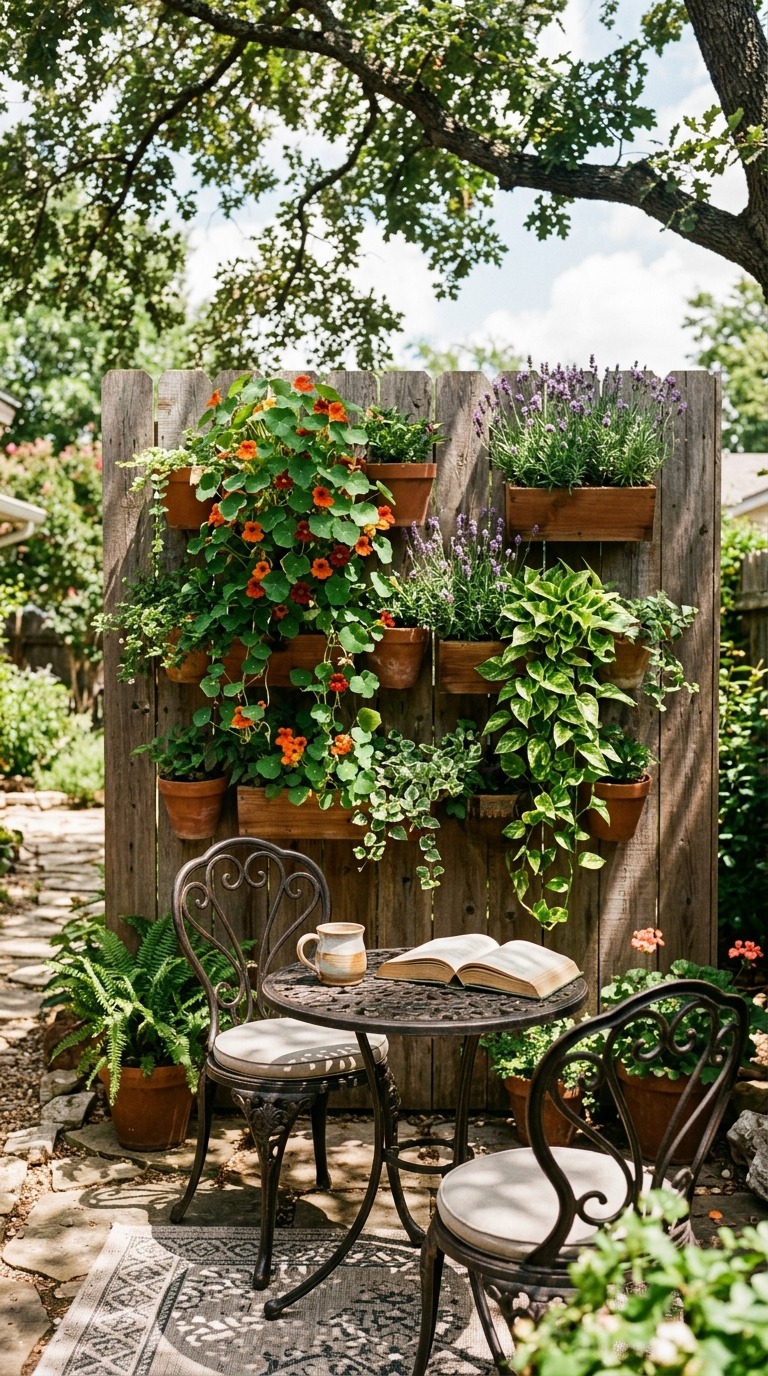
The trick to building a vertical garden that actually thrives is choosing the right pocket planter system. I use fabric pocket planters screwed directly into cedar fence panels, and I fill alternating pockets with trailing pothos, cascading nasturtiums in that gorgeous burnt orange, and compact lavender. Make sure you position the wall where it catches at least five hours of direct sun daily. Water slowly and deeply at the base of each pocket every other day in summer. The height and texture this adds to a small backyard is genuinely unmatched by any other single project I have tried.
2. Raised Cedar Beds With Curved Pathways
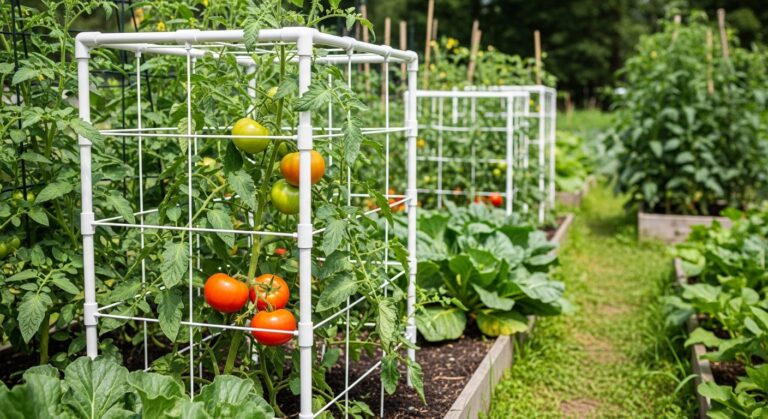
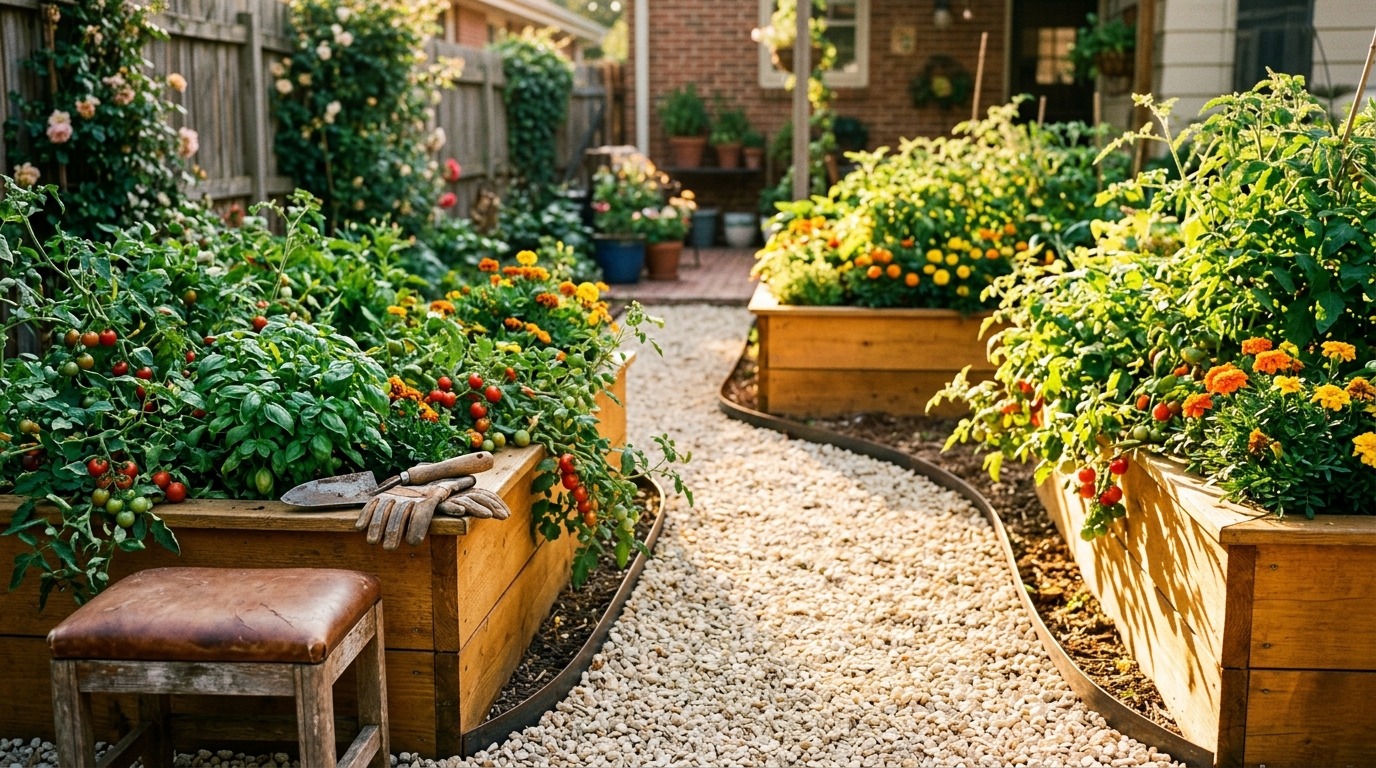
Raised cedar beds changed the way I garden more than any other single investment I have made outdoors. When I built my first pair three summers ago, I immediately noticed how much easier weeding became, how dramatically better drainage felt after heavy rain, and how much more organized and intentional the entire backyard looked. Raising your growing area by even twelve inches completely changes the visual weight of a small garden, giving it structure and purpose that flat in-ground planting simply cannot deliver in a tight space.
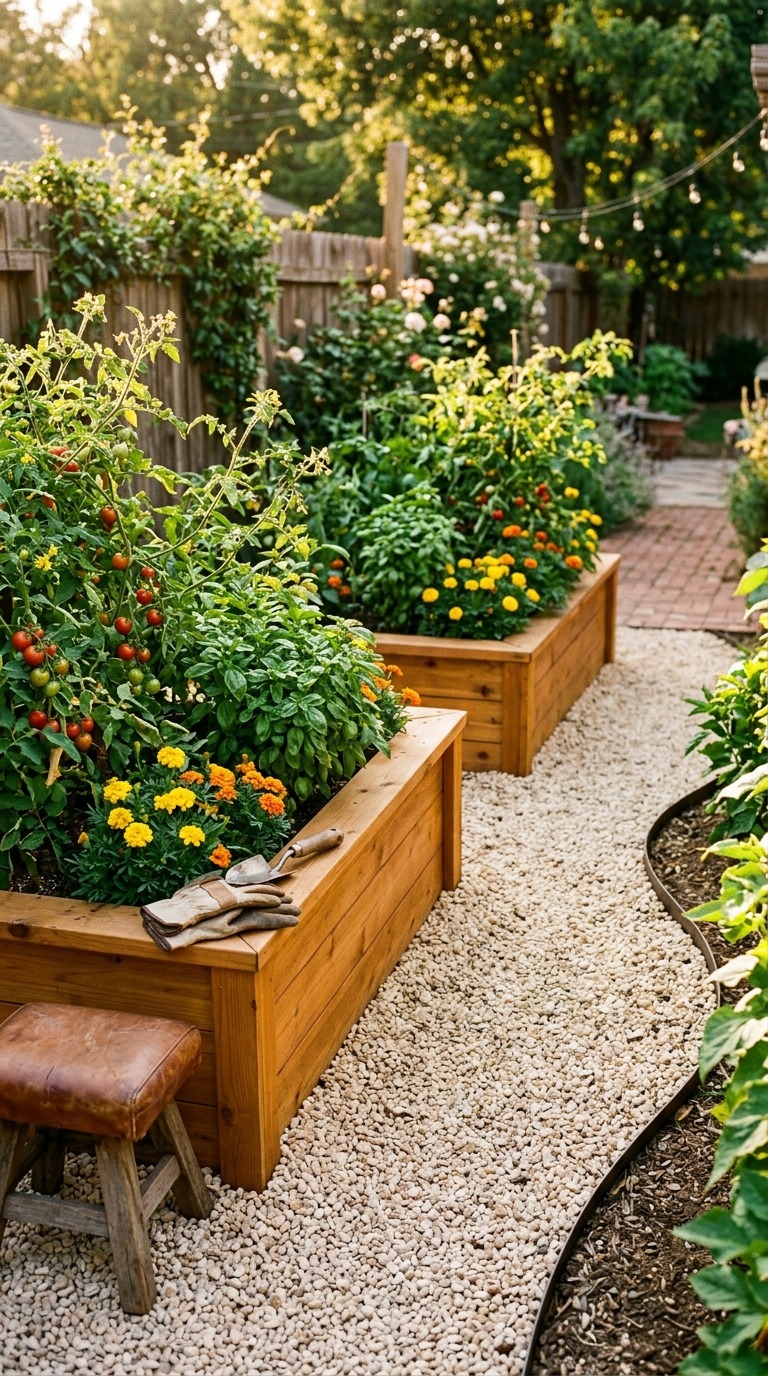
Use cedar or naturally rot-resistant redwood planks at least twelve inches deep so root vegetables have room to grow. Fill your beds with a mix of Miracle-Gro Performance Organics raised bed soil and homemade compost for genuinely rich, productive ground. I always curve the gravel pathway between my beds rather than keeping it straight — that gentle curve makes a small backyard feel larger and more organic. Plant warm-season companions like basil, tomatoes, and marigolds together for natural pest control that actually works beautifully.
3. A Cozy Cottage Herb Garden Corner
There is a particular kind of joy that comes from snipping fresh rosemary directly from your own garden five minutes before dinner. My cottage herb corner started with a single wooden planter pressed into the sunniest corner of my backyard, and within one growing season it became the most used, most photographed, and most beloved spot in my entire outdoor space. Herbs bring fragrance, texture, culinary purpose, and that effortless cottage-garden charm that makes even a tiny backyard feel like a countryside retreat from a storybook.
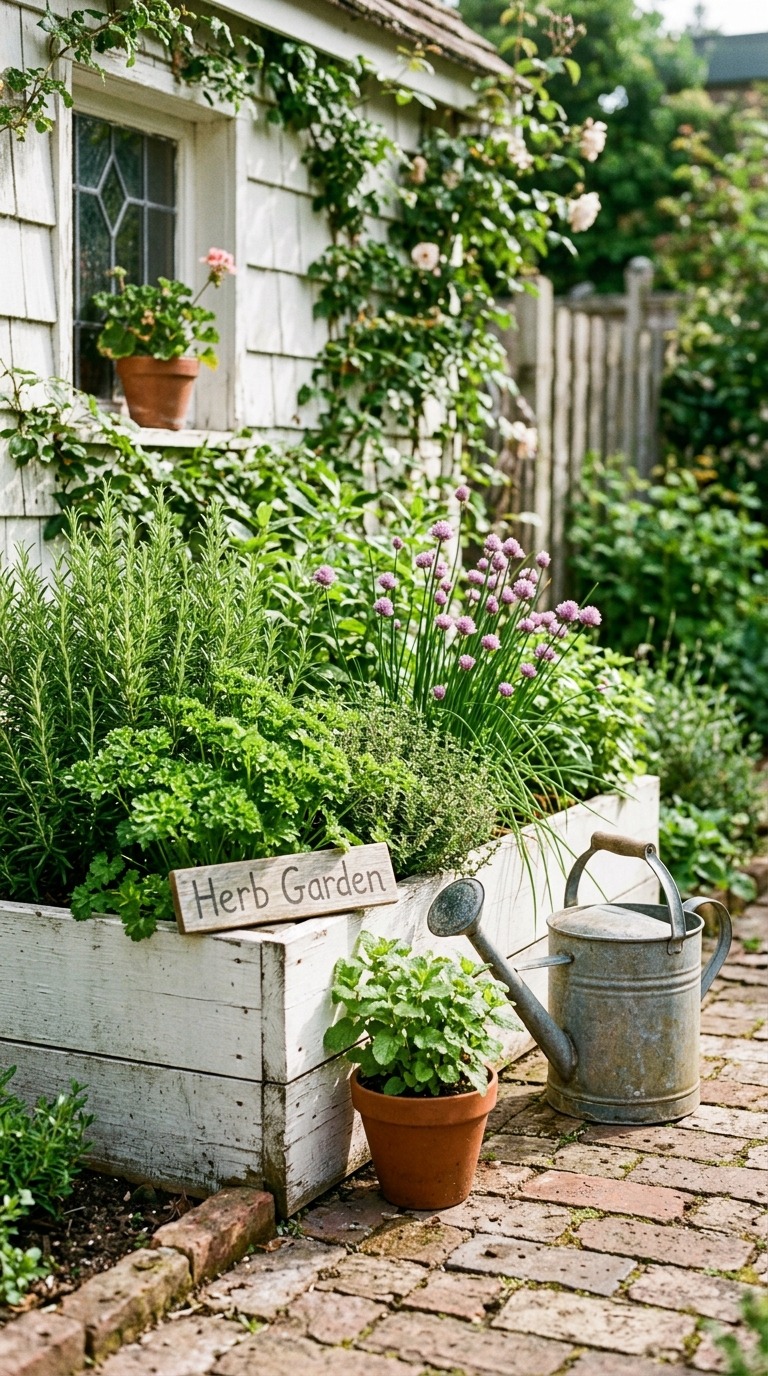
Plant your herb corner in the spot that receives the most direct morning sun — herbs genuinely need at least six hours to develop their most intense flavor. I combine rosemary, thyme, flat-leaf parsley, and purple-flowering chives in one wide raised planter, then keep a dedicated terracotta pot of lemon balm nearby because it spreads aggressively if left unchecked. Use Espoma Organic Garden-tone fertilizer monthly during the growing season and your herbs will stay dense, fragrant, and productive right through early autumn. This is the single corner of my backyard I water every single morning without fail.
4. Container Garden With Layered Heights
Container gardening in a small backyard is not a consolation prize — it is genuinely one of the most creative and flexible garden styles you can choose. I have rearranged my container garden probably forty times over the past three years, moving pots as seasons change, swapping in new plants when something finishes blooming, and rotating my tallest grasses toward wherever the garden needs vertical drama most. That flexibility is something no in-ground garden can ever offer, and in a compact space that adaptability feels absolutely invaluable every single week.
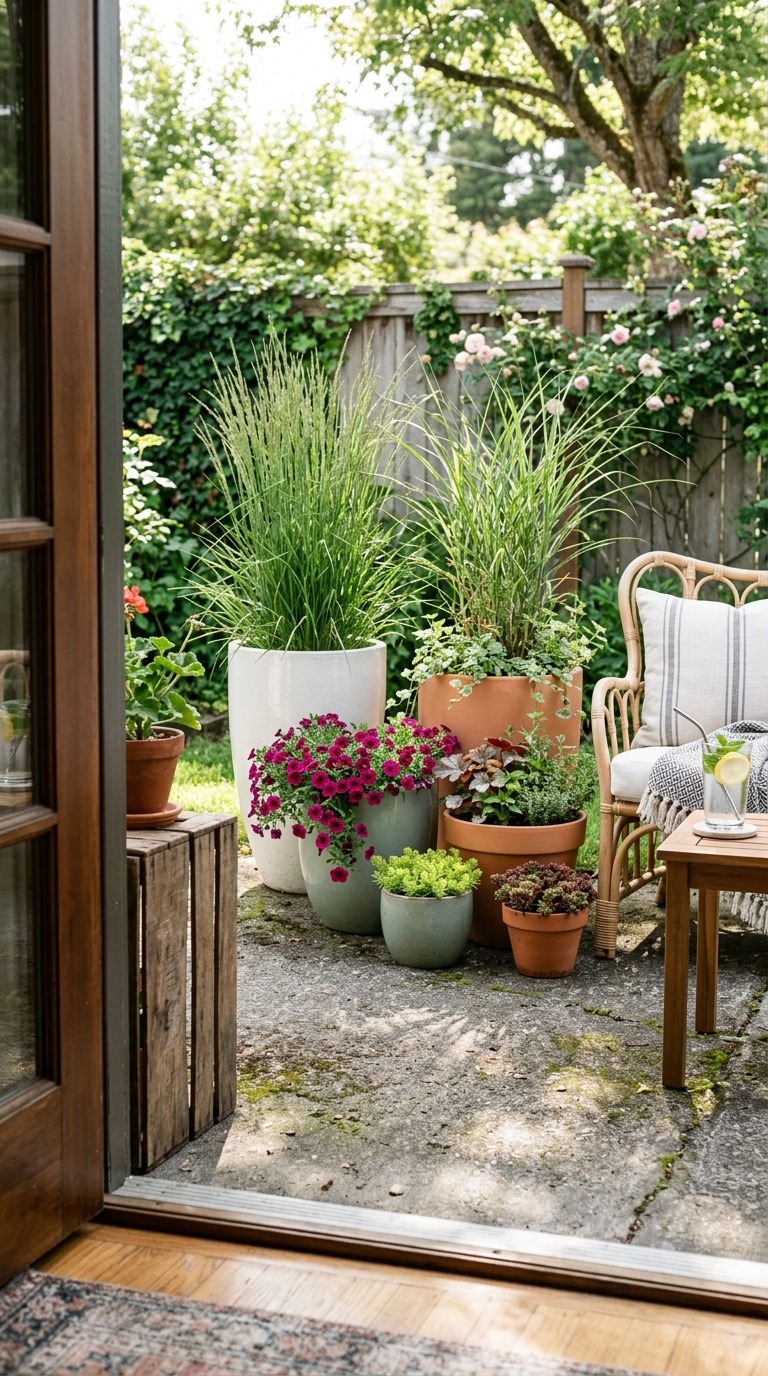
The key to a container garden that looks intentional rather than random is layering your heights deliberately. Place your tallest pots — I love a large glazed ceramic pot of Karl Foerster feather reed grass — at the back or center. Use medium pots of trailing calibrachoa or trailing lantana in the middle tier. Then fill your front row with low compact plants like silver thyme or golden creeping Jenny. Use a high-quality potting mix like FoxFarm Ocean Forest in every container, and make sure every single pot has proper drainage holes. Water-logged roots will ruin even the most beautiful planting within days.
5. A Wildflower Meadow Patch for Pollinators
I planted my first wildflower patch on a whim three springs ago, scattering a packet of American Meadows Native Wildflower Seed Mix across a narrow six-foot strip along my back fence that I had always ignored. What grew from those scattered seeds genuinely stopped every person who visited my backyard in their tracks. Purple coneflowers, golden black-eyed Susans, and delicate blue cornflowers emerged in waves from late June through September, and the bees and butterflies that arrived were extraordinary — I counted four different butterfly species on a single warm afternoon in July.
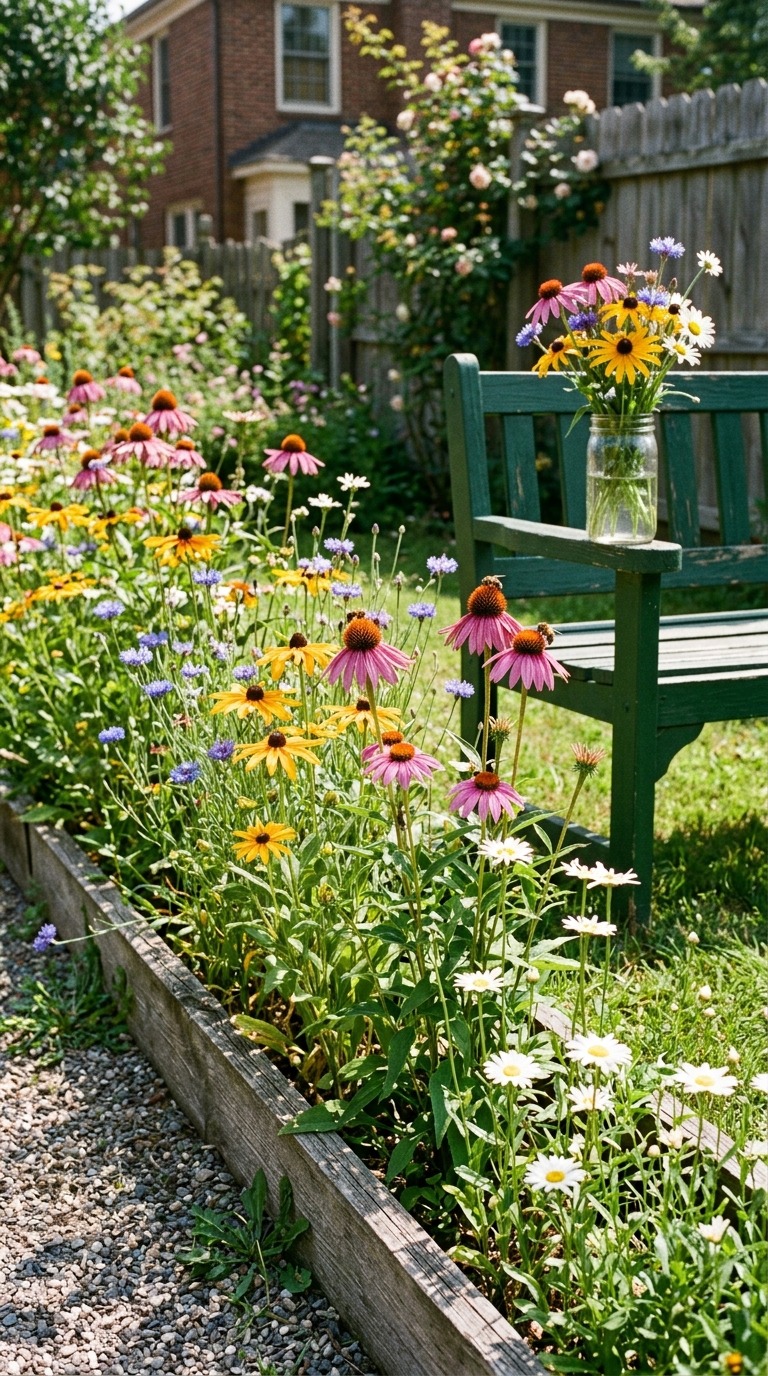
A wildflower patch thrives on near-total neglect, which makes it the perfect idea for gardeners who love beauty but struggle to find consistent maintenance time. Clear the area of grass, loosen the soil lightly, scatter your seeds in early spring, and water gently until germination. After that, rainfall usually handles everything. I edge my patch with simple untreated pine boards to keep it looking intentional rather than weedy. Deadhead spent blooms in midsummer and you will trigger a second flush of flowers that carries you all the way through the first frost with almost no effort at all.
6. A Pergola-Covered Dining Garden Retreat
A pergola transforms a small backyard from an outdoor strip into an actual destination. When I added a simple six-by-ten-foot cedar pergola over my tiny patio two years ago, the entire energy of my backyard shifted overnight. Suddenly I had a defined room outdoors — a place with a ceiling, a purpose, and a genuinely romantic atmosphere that made me want to eat dinner outside five nights a week even in early autumn when the evenings started to cool. A pergola does not require a large backyard. It actually works most beautifully when the space is intimate.
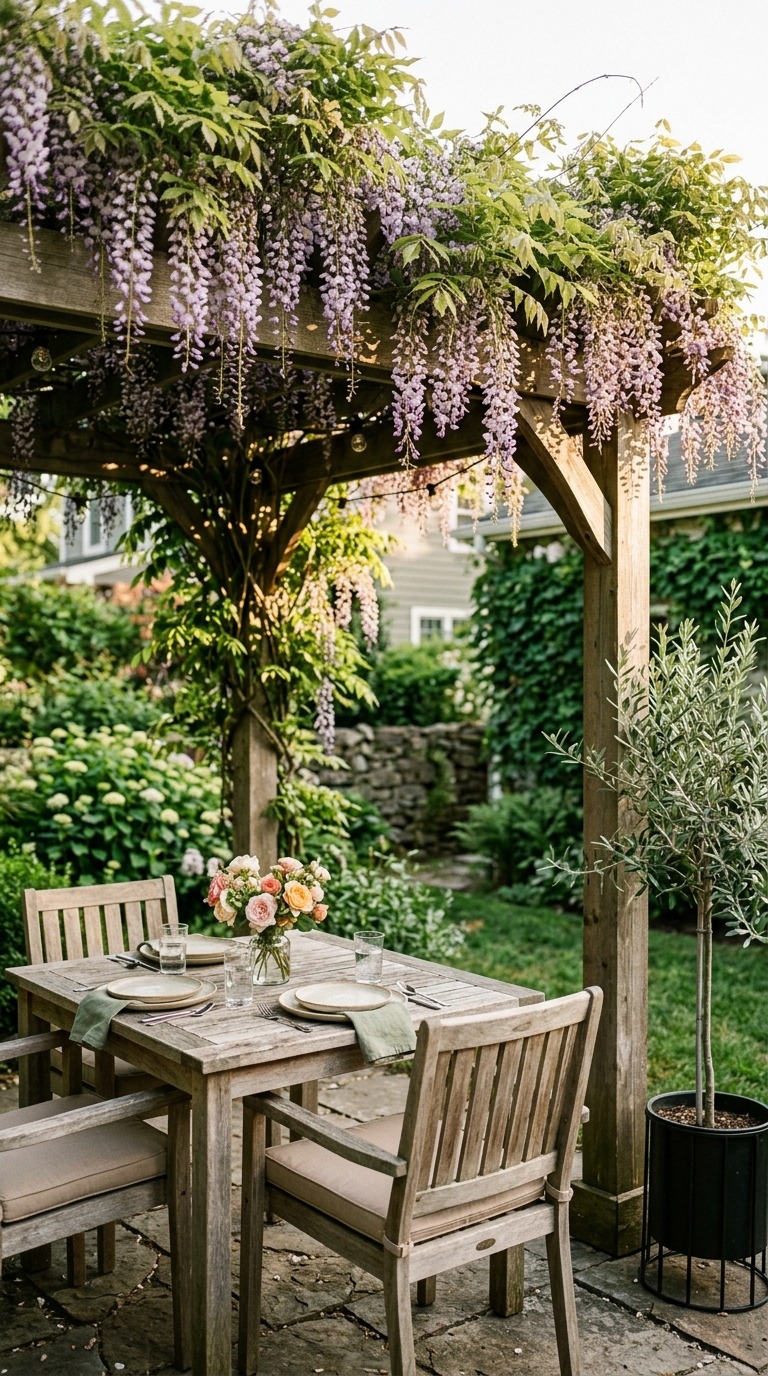
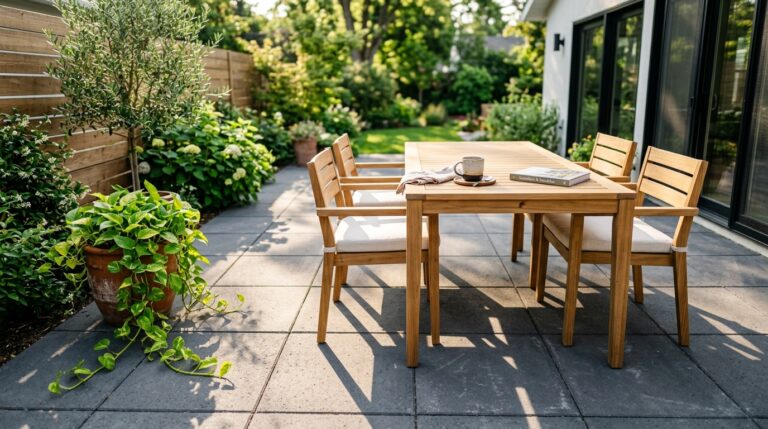
Train a fast-growing vine over your pergola for the most lush, dreamy result. I grow wisteria over mine because it delivers breathtaking fragrant blooms each spring, though passionflower or climbing hydrangea are equally stunning and slightly easier to manage in terms of growth control. String warm Edison-bulb lights along the beams for evening dining atmosphere that costs almost nothing to maintain. Set your dining table beneath with simple teak or acacia furniture that weathers gracefully outdoors. This single addition genuinely gave my compact backyard the most dramatic transformation I have ever created in one project.
7. A Raised Pond With Water Plants
Water brings something to a small backyard garden that no plant, furniture piece, or lighting fixture can replicate — the sound of stillness. I added a small raised pond to my backyard corner two summers ago and I genuinely did not expect how completely it would change the sensory experience of being outside. Sitting beside even a tiny body of water naturally slows your breathing, quiets your thoughts, and makes the garden feel like a retreat rather than simply an extension of the house. Even a three-foot raised pond delivers that extraordinary effect every single day.
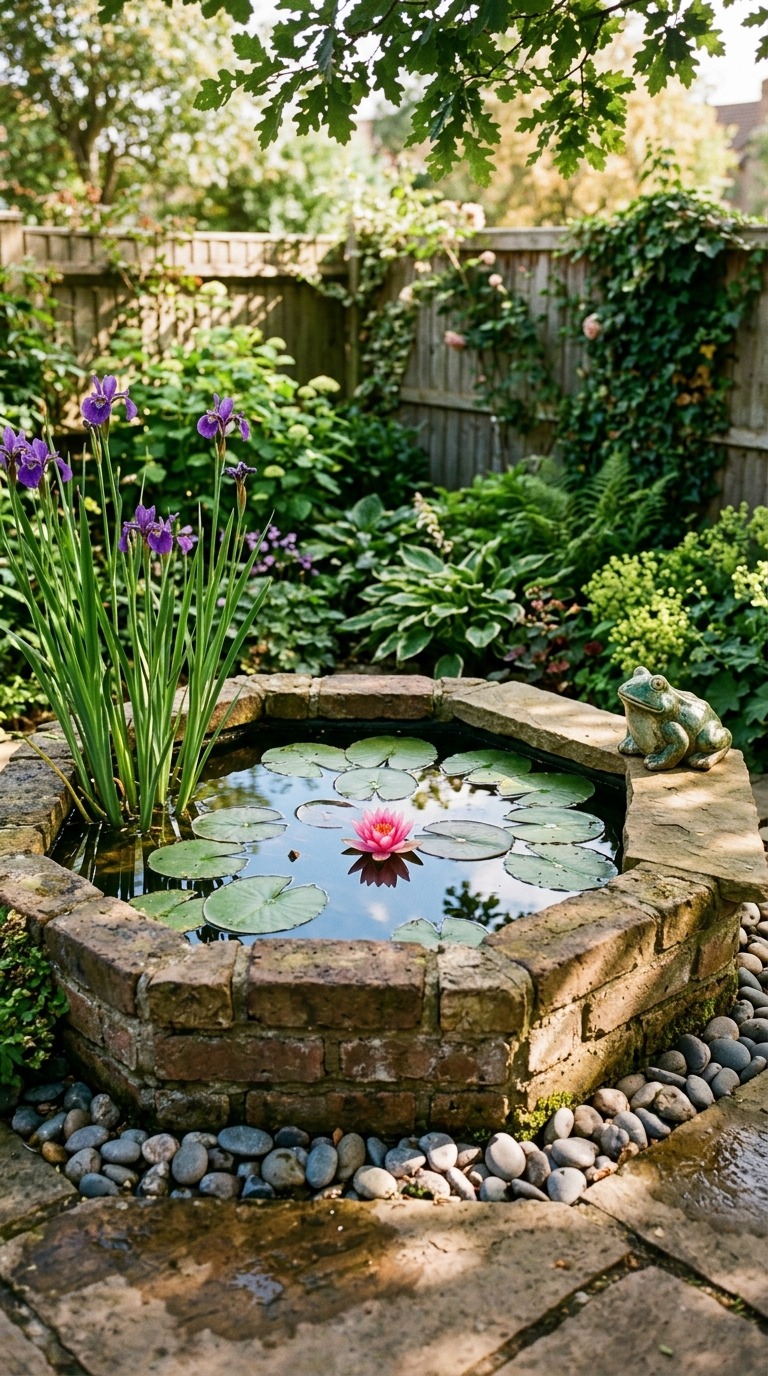
Build a raised pond from stacked reclaimed bricks or natural sandstone for a beautiful rustic look that blends with most garden styles. Line the interior with a flexible EPDM rubber pond liner from companies like Firestone, which lasts decades without cracking. Plant a single dwarf water lily like Nymphaea ‘Pygmaea Helvola’ for compact blooms that thrive in a small pond volume. Add two or three water iris plants along one edge for vertical interest. A small solar-powered fountain pump keeps the water moving, prevents mosquito breeding, and adds the gentlest, most soothing water sound to your garden with zero electricity cost.
8. Edible Landscaping With Ornamental Vegetables
Nobody told me that vegetable gardens could be genuinely, dramatically beautiful until I started growing edible landscaping and stopped treating vegetables as purely functional plants to hide away. Deep purple ornamental kale beside bright ruby-stemmed Swiss chard is one of the most striking color combinations I have ever planted anywhere in my garden — indoors or out. Edible landscaping blends food-producing plants directly into your decorative garden design, and in a small backyard this approach is genuinely transformative because every square foot earns its place by delivering both visual beauty and something edible.
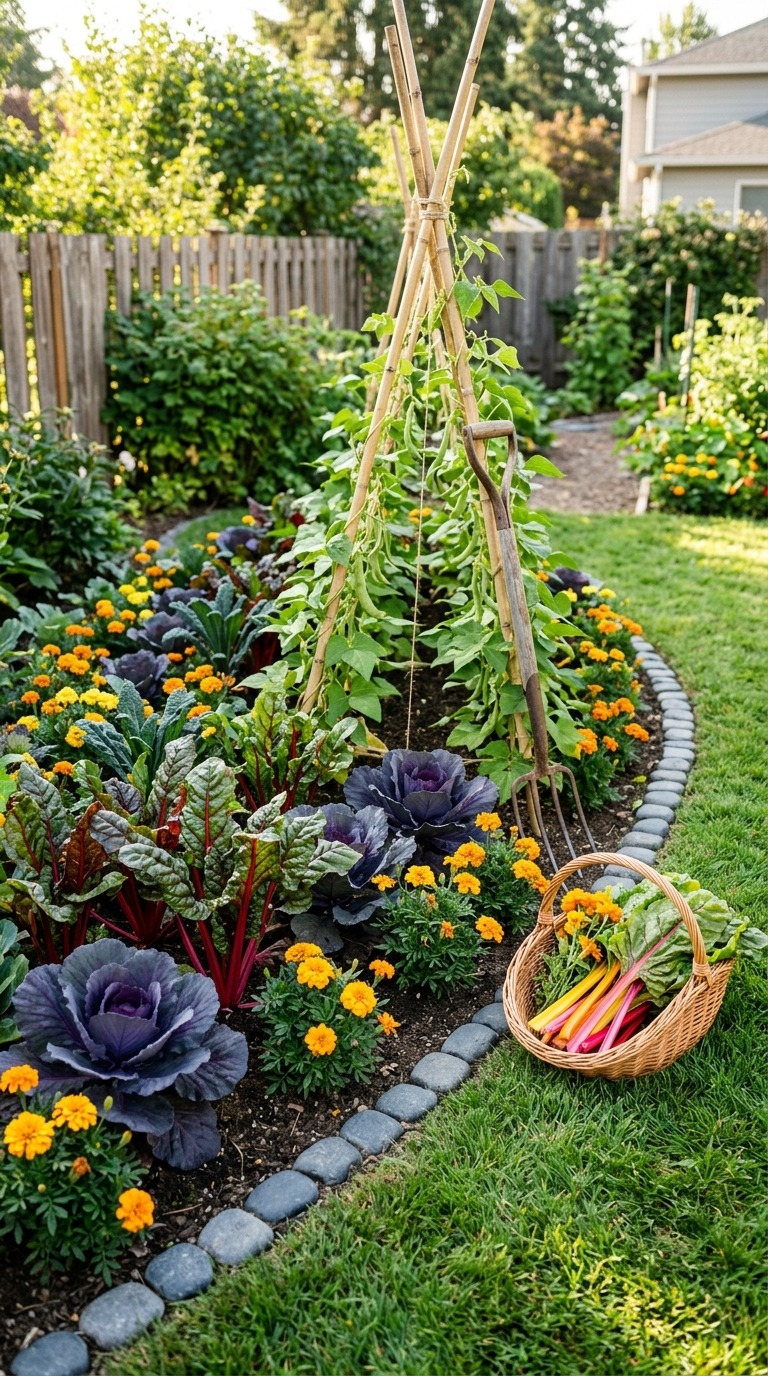
Choose vegetables with strong ornamental qualities as your foundation. Red Burgundy okra, Bright Lights Swiss chard, and Redbor kale all look spectacular growing beside traditional ornamental flowers. Interplant tall climbing pole beans on bamboo teepee trellises for vertical interest and easy daily harvesting. Add French marigolds generously throughout the bed — they deter aphids, attract beneficial insects, and contribute rich golden color that makes every vegetable around them look even more vibrant. I harvest from my edible landscape three to four times every week during summer, and guests consistently compliment the bed before they even realize most of it is food.
9. A Low-Maintenance Native Plant Garden
I spent three years fighting against my backyard’s dry, clay-heavy soil with thirsty exotic plants that demanded constant water, fertilizer, and coddling before I finally surrendered and planted a native garden instead. The relief was immediate and almost emotional. Native plants evolved alongside your local soil, rainfall patterns, and wildlife — they genuinely want to grow where you live. In a small backyard, a well-designed native garden requires minimal watering after the first establishment season, produces almost no waste, and supports local bird and pollinator populations in ways that traditional ornamental gardens simply cannot match.
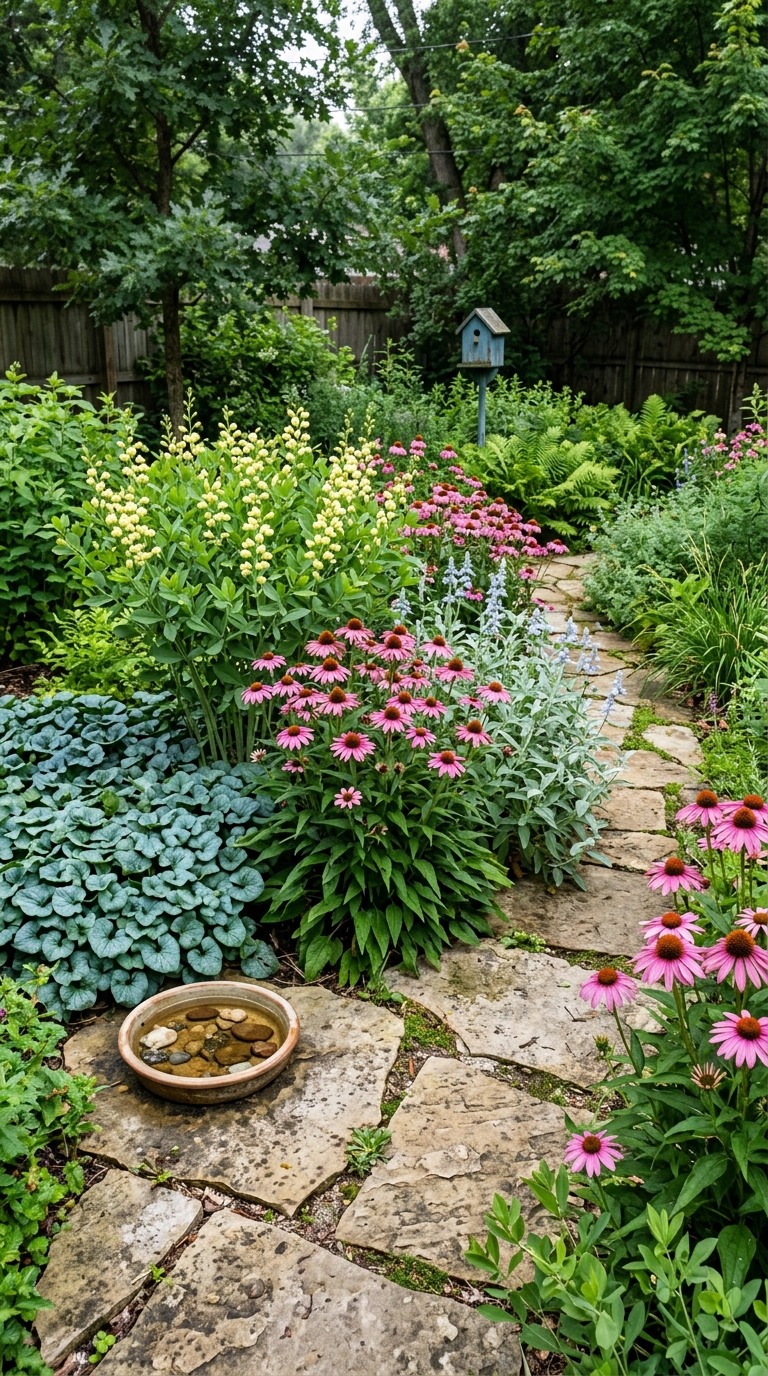
Start your native plant selection by visiting a local native plant nursery rather than a big-box garden center. Ask specifically for plants native to your region and suited to your light conditions. In most temperate US gardens, purple coneflower, black-eyed Susan, native salvia, and little bluestem grass create a stunning low-maintenance planting palette that thrives on rainfall alone after year one. Mulch your native beds generously with shredded hardwood mulch to retain moisture and suppress weeds during establishment. The Garden Design principle I follow here is simple: once a native plant is established and happy, let it do exactly what it naturally wants to do.
10. A Secret Garden Seating Nook
Every small backyard deserves at least one spot where you feel genuinely hidden from the world, even if only for twenty minutes. I carved my secret seating nook out of a forgotten corner using three fast-growing arborvitae hedges arranged in a wide U-shape — it took one full growing season before they reached head height and created that magical enclosed feeling I had been dreaming about. The moment I sat down inside that green-walled space for the first time with a book and a cup of tea, something shifted. That corner became the place I went every single evening, rain or shine, simply because it felt like mine.
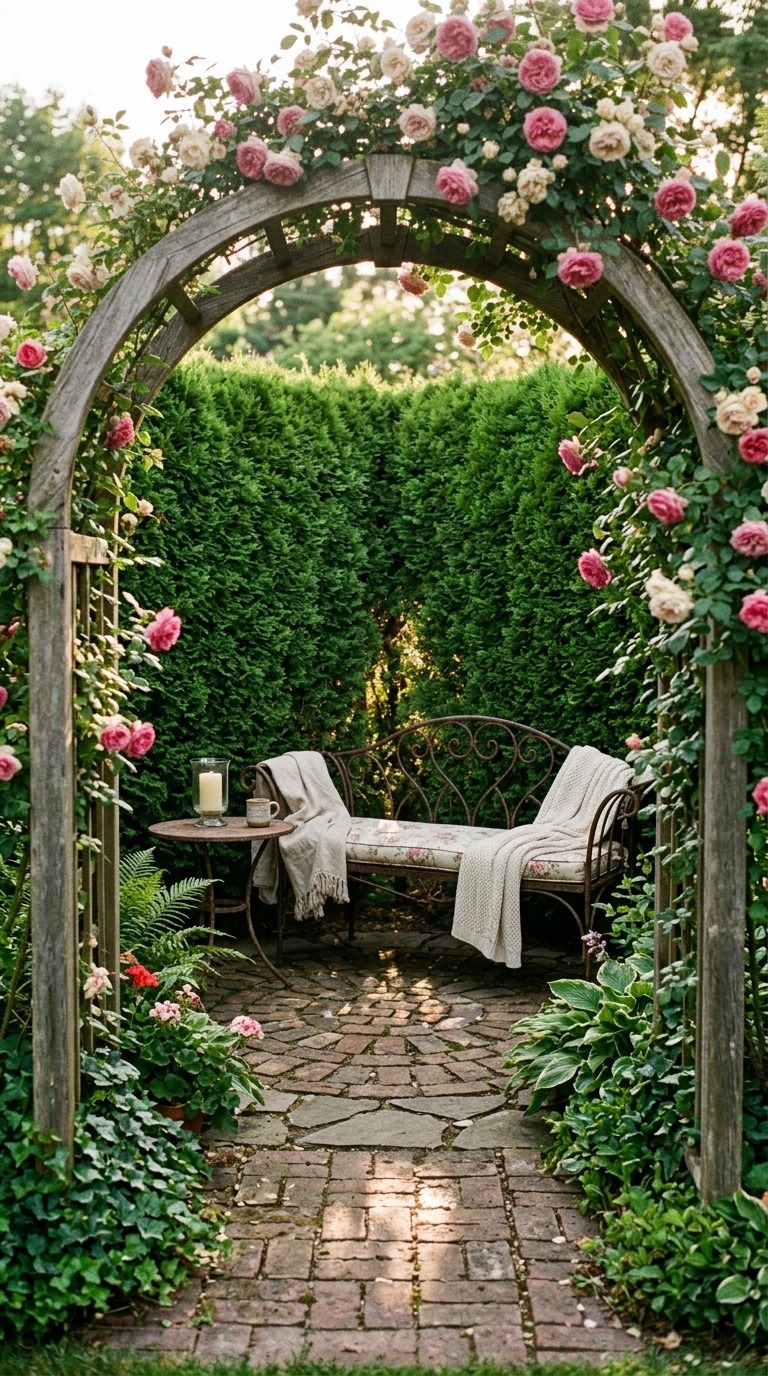
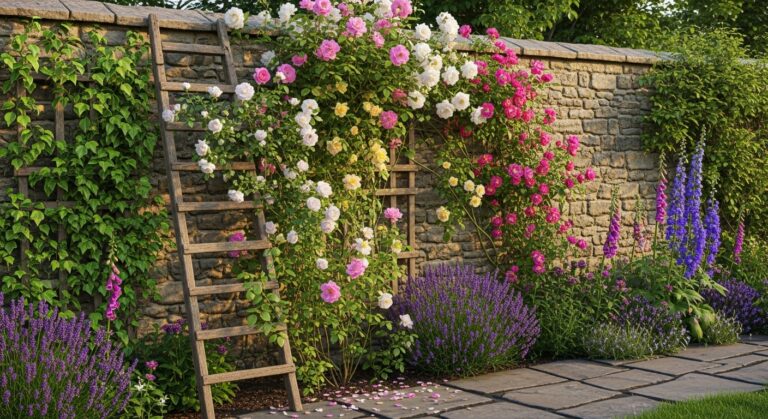
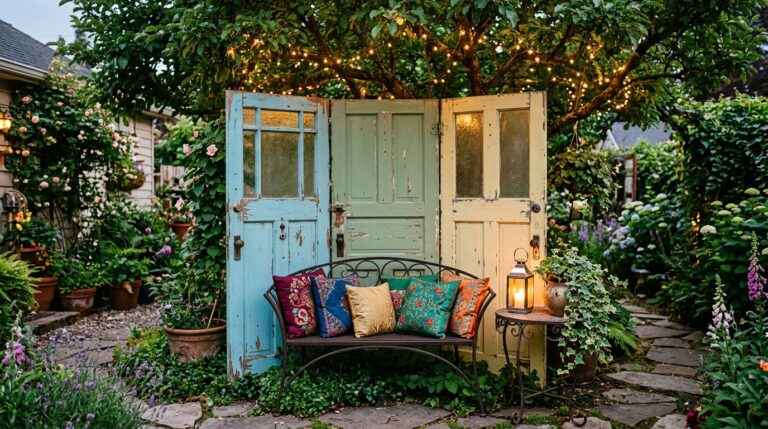
Create your own garden nook by planting tall evergreen hedges like Emerald Green arborvitae on two or three sides of a corner spot. Allow at least eighteen months for them to fill in fully before you furnish the space. Install a simple brick or flagstone floor inside — even secondhand pavers from a demolition salvage yard look extraordinarily charming once laid flat and swept clean. Add a curved iron bench, a small side table, and a climbing rose trained over a wooden entrance arch. I recommend the rose variety Climbing Cecile Brunner for small spaces — her blush pink clusters are delicate, fragrant, and she never overwhelms a compact garden the way larger climbers easily can.
11. A Kitchen Garden Mapped by Season
A kitchen garden that produces food across all four seasons rather than only during summer turns even a tiny backyard into a genuinely remarkable growing space that earns its place every single month of the year. I mapped my own small kitchen garden into four distinct square-foot sections three years ago, assigning each one to a different seasonal crop succession. Spring gives me peas, lettuce, and early spinach. Summer brings tomatoes, zucchini, and basil. Autumn delivers Brussels sprouts, kale, and broccoli. Winter, with the help of a wire cloche, yields hardy mache and overwintering garlic that fills the beds with purpose.
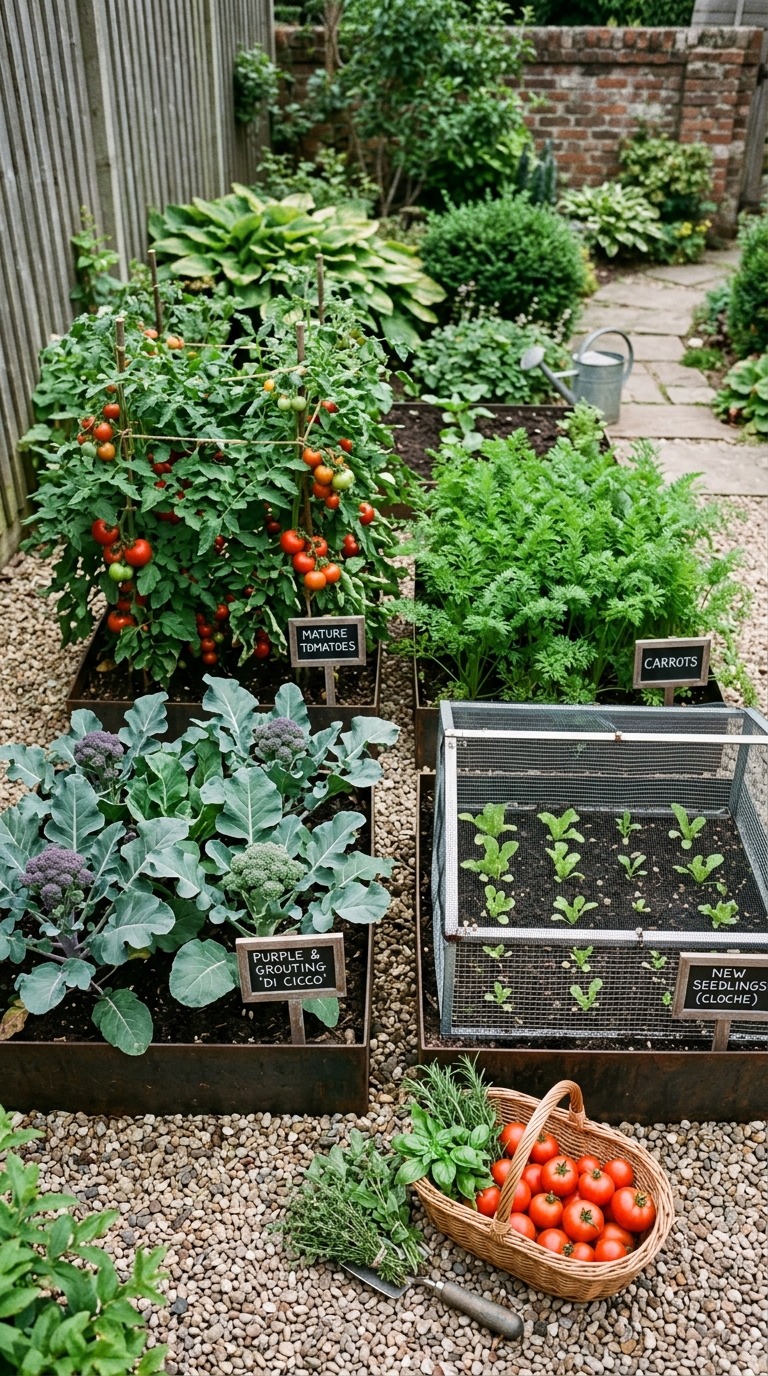
Succession planting is the single skill that will transform your kitchen garden from a brief summer project into a year-round food-producing rhythm. As soon as one crop finishes, pull it, refresh the bed with a handful of Espoma Bio-Tone Starter Plus fertilizer, and immediately transplant the next seasonal crop. Keep a simple notebook — I use a dedicated spiral notebook that lives in my potting shed — with planting dates, harvest notes, and what worked best in each section. That record becomes invaluable by your second season. A mapped kitchen garden running on thoughtful succession planting produces more food from less space than any other method I have personally tried.
12. Solar-Lit Evening Garden With Lanterns
A small backyard garden that looks stunning only during daylight hours is only working half as hard as it possibly could for you. I discovered the magic of solar garden lighting completely by accident — a neighbor strung lanterns along her tiny backyard fence one summer evening and I stood at my kitchen window genuinely unable to look away. That warm amber glow turned her modest little space into something that looked like a restaurant terrace in the south of France. I immediately ordered six tall glass solar lanterns that same night, and the transformation in my own garden was exactly as dramatic as I had hoped.
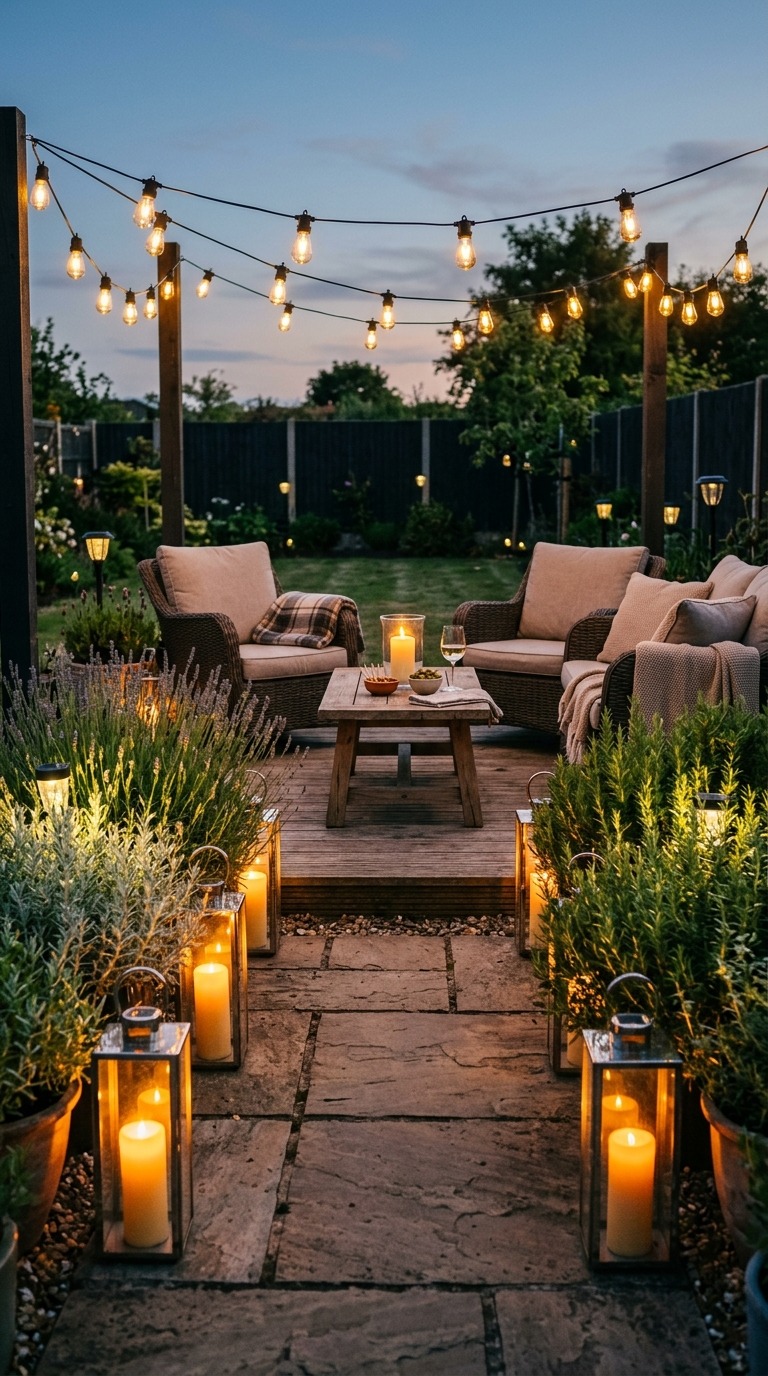
Solar lighting requires zero electrical work and costs nothing to run after your initial purchase, which makes it the most effortless upgrade you can give a small garden. Line your main pathway with tall glass lanterns holding warm-toned solar candles — choose 2700K color temperature specifically, because anything cooler reads as clinical and cold outdoors. Add a single festoon of solar Edison bulbs strung between two timber posts overhead to define your seating area as a destination space. I also tuck small ground-level solar spotlights into my container pots to highlight my favorite plants after dark. That layered lighting approach — ground level, pathway level, and overhead — makes any small backyard feel genuinely enchanting every evening of the year.
Conclusion
Your small backyard is not a limitation. It is an invitation to be creative, intentional, and deeply personal in a way that large, sprawling gardens rarely require their owners to be. I genuinely believe that small outdoor spaces produce the most characterful, most loved gardens of all, because every decision matters and every plant earns its place with purpose.
Pick just one idea from this list today — not twelve, not three, just one that made your heart beat a little faster when you read it. Start there. Plant one raised bed, hang one set of solar lanterns, or scatter a single packet of wildflower seeds along your back fence. That first step is always the one that turns a backyard you merely own into a garden you truly love.