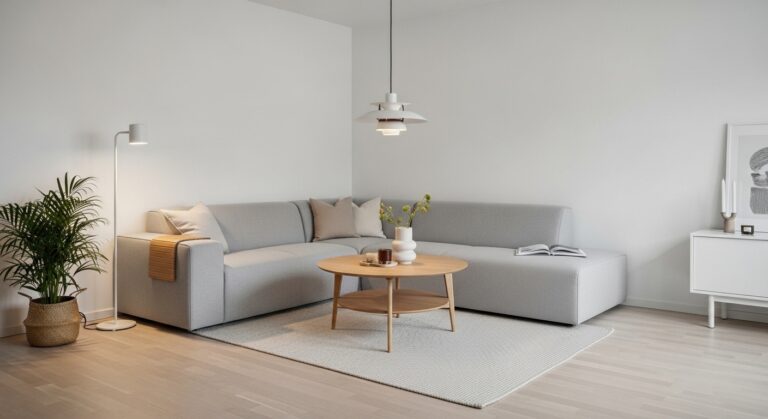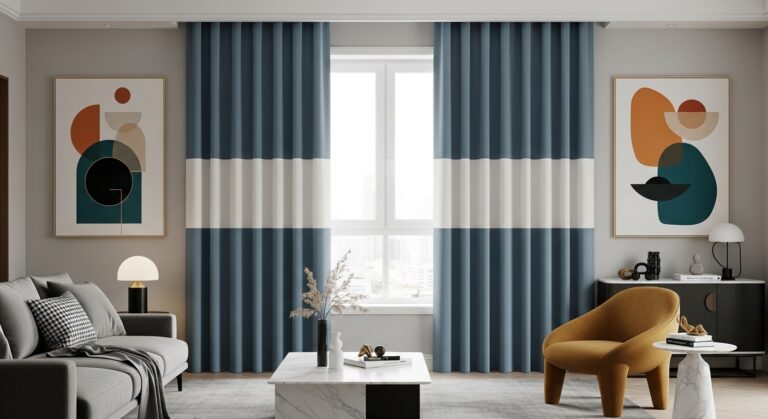
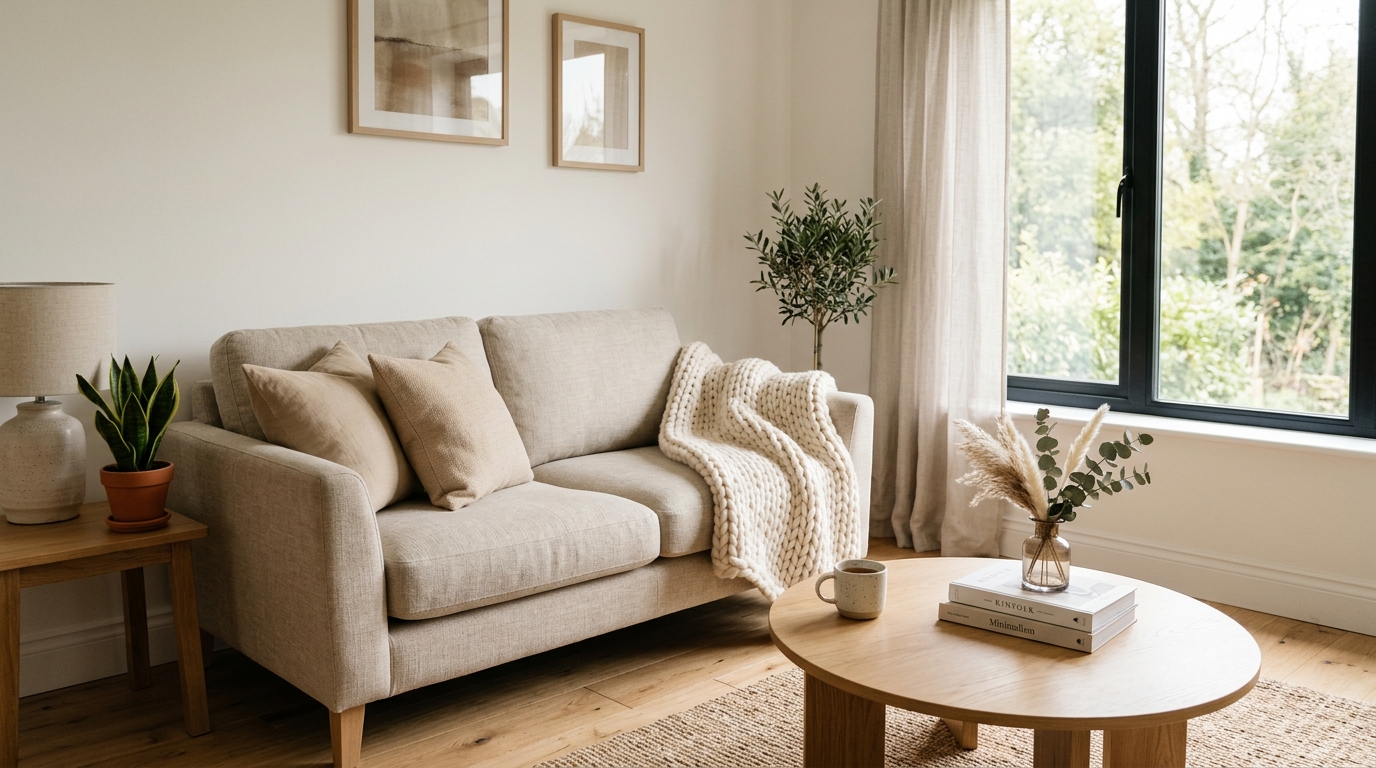
15 Cozy Minimalist Living Room Ideas for Small Spaces
Have you ever walked into a tiny living room and immediately felt calm, comfortable, and at home — even though there wasn’t much in it? That’s the magic of cozy minimalism. It’s not about owning less for the sake of it. It’s about choosing better, arranging smarter, and creating a space that actually breathes.
If you’re working with a small living room right now, you already know the struggle. Too much furniture makes the room feel like a storage unit. Too little feels cold and empty. The sweet spot — that warm, inviting, uncluttered feel — is exactly what we’re going to help you nail today.
These 15 ideas are real, practical, and designed for actual small spaces. Let’s get into it.
Anchor the Room With a Neutral Linen Sofa
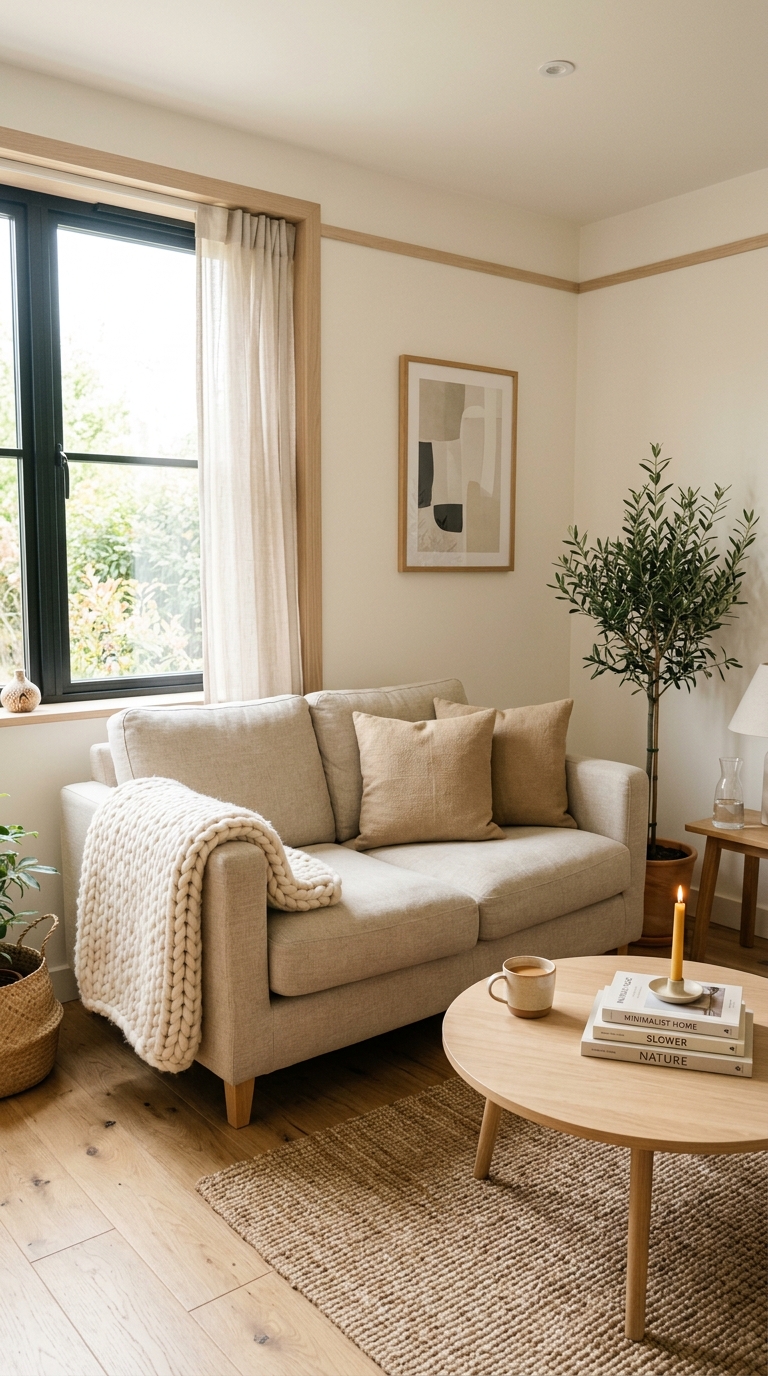
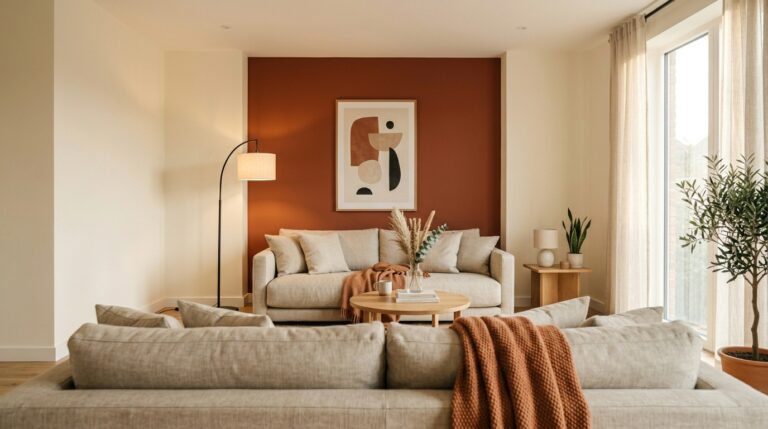
Your sofa is the most dominant piece in any living room, so this is where cozy minimalism starts. A linen sofa in a warm neutral — think oatmeal, sand, or soft greige — instantly softens a small space without visually crowding it.
What makes this work isn’t just the color. It’s the texture. Linen has this naturally lived-in quality that makes a room feel human and warm the moment you walk in. Pair it with a chunky knit throw draped casually over one arm and two pillows in complementary tones, and you’ve already set the entire mood of the room.
Keep the legs visible — furniture that shows its legs lifts the visual weight off the floor, making your room appear larger and airier than it really is.
Idea 2: Use a Round Coffee Table Instead of a Rectangular One
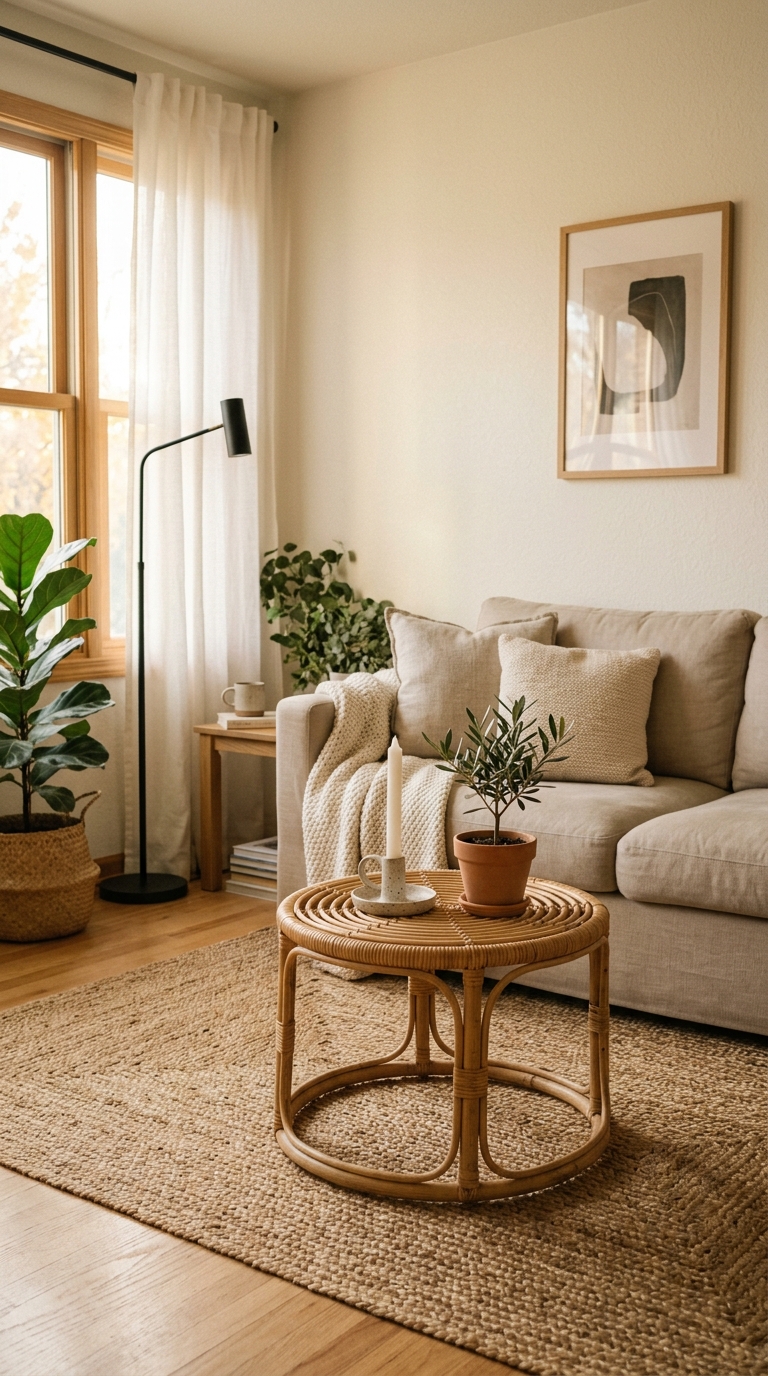
Most people default to a rectangular coffee table because it seems like the logical choice. But in a small living room, corners are your enemy. A round coffee table removes those hard edges, creates better flow around the room, and makes the whole space feel more open and conversational.
Choose one in rattan, light oak, or smoked glass for that minimal-but-warm effect. A smoked glass round table, for example, feels barely-there — it adds surface space without adding visual weight.
Bonus tip: keep the surface intentionally clear. One candle, one small plant, one book. That’s it. The less you put on it, the more intentional and styled it looks.
Paint One Wall in a Warm Earthy Tone
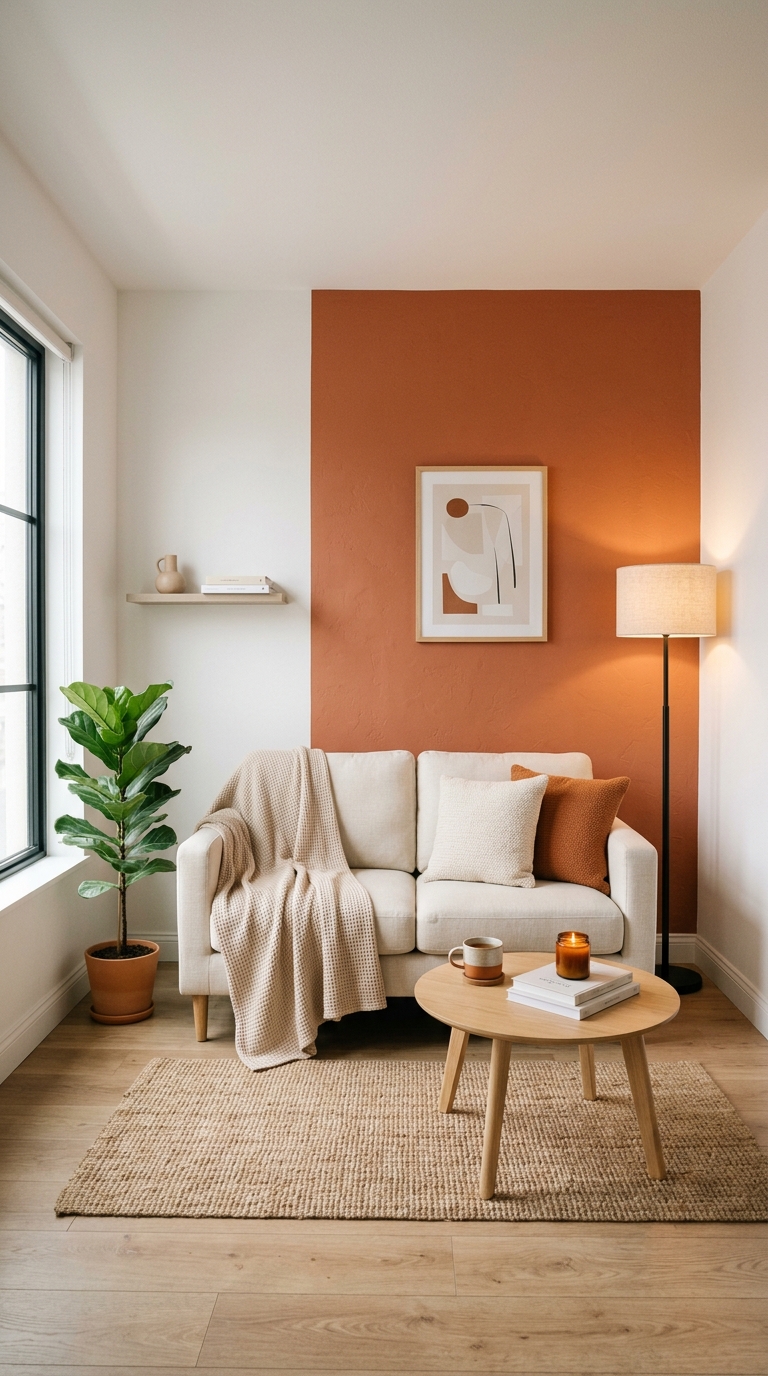
All-white rooms look clean in photos, but in real life — especially in small spaces — they can feel sterile and flat. One of the easiest ways to add coziness without adding clutter is to paint a single wall in a warm earthy tone.
Think terracotta, warm taupe, dusty sage, or a deep clay. These colors pull the room inward in a good way — they create a sense of enclosure that feels secure and cozy rather than cramped.
The key is to choose only one wall — usually the one behind your sofa or TV. This creates a natural focal point and adds depth without making the room feel smaller.
Layer Rugs for Warmth Without Visual Clutter
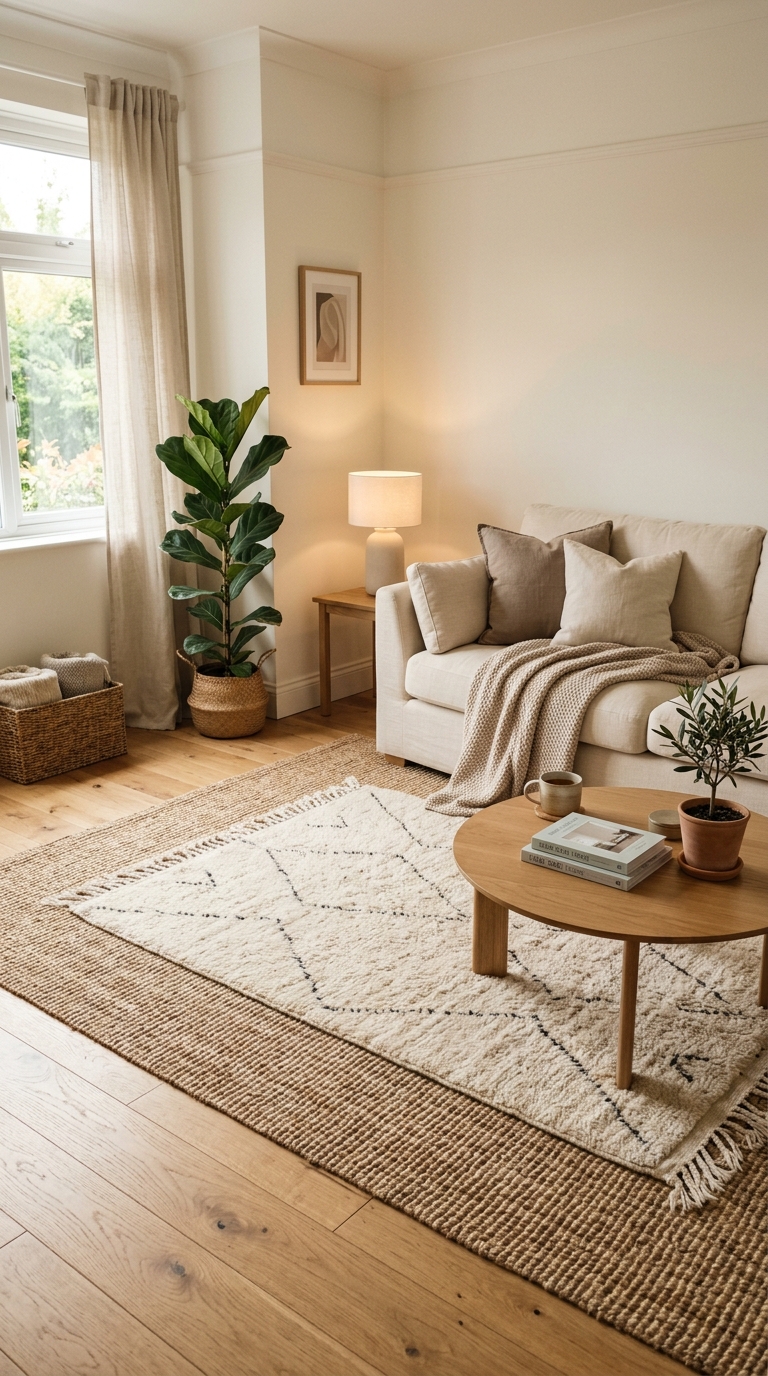
A single flat rug is fine. Two layered rugs done right? That’s cozy minimalism elevated. This trick adds texture, warmth, and dimension without introducing more furniture or objects into the space.
Start with a simple natural fiber rug — jute or sisal works perfectly as the base. Then layer a smaller, softer rug on top — a Moroccan-style shag in cream or a wool rug in a muted geometric pattern. The visual layering mimics what a fully decorated room achieves, but with only two simple elements.
Keep the color palette tight. Both rugs should live in the same tonal family — warm neutrals, earthy creams, soft greens. Contrast in texture, not in color.
Mount Your TV on the Wall to Free Up Floor Space
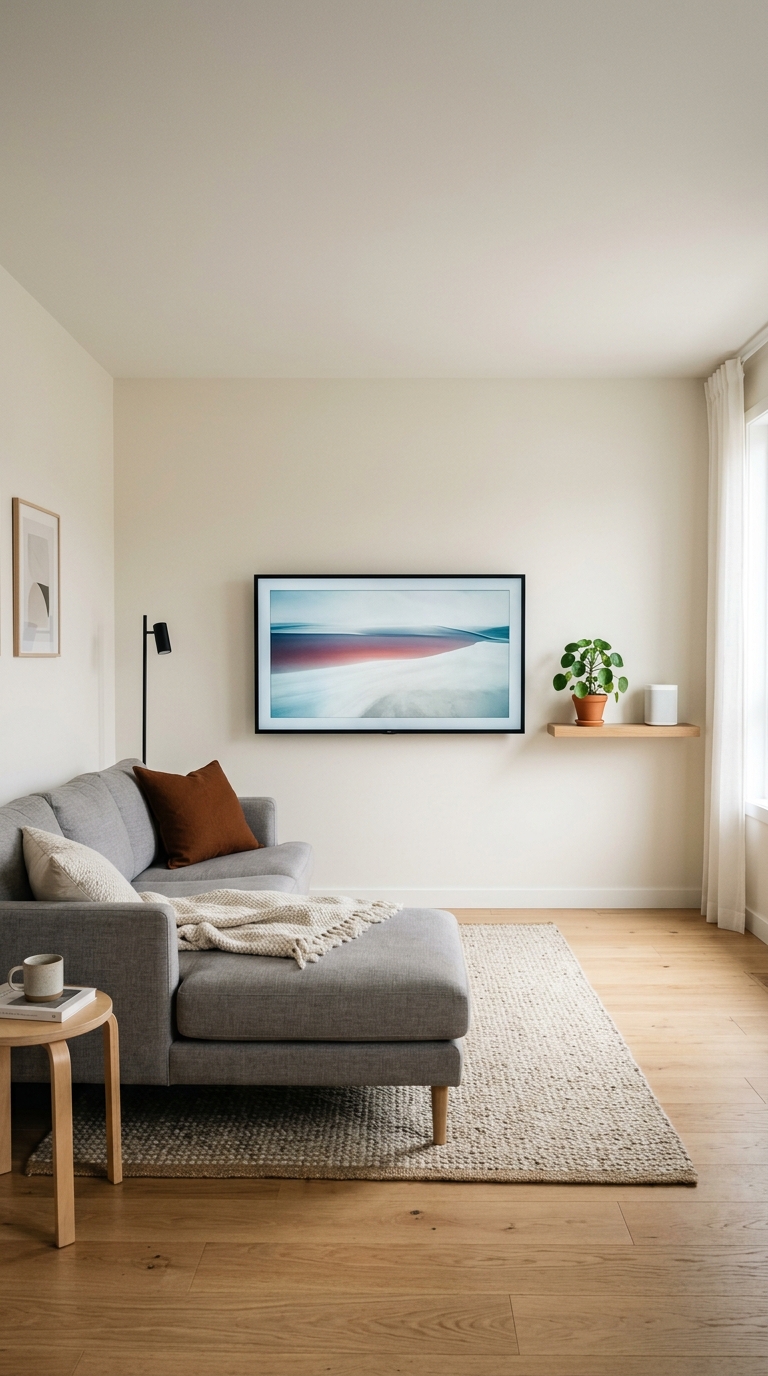
A TV stand or media console is one of the biggest floor-space thieves in a small living room. Mounting your TV directly on the wall eliminates the need for that furniture entirely, freeing up several feet of floor space and making the room feel twice as open.
Keep it clean by routing the cables through the wall or using a cable management channel that blends into the wall color. Pair the mounted TV with a floating shelf just below it — one shelf for a small speaker, a plant, and one meaningful object. That’s your entire media setup, and it takes up zero floor space.
Choose a Sofa That Doubles as Storage
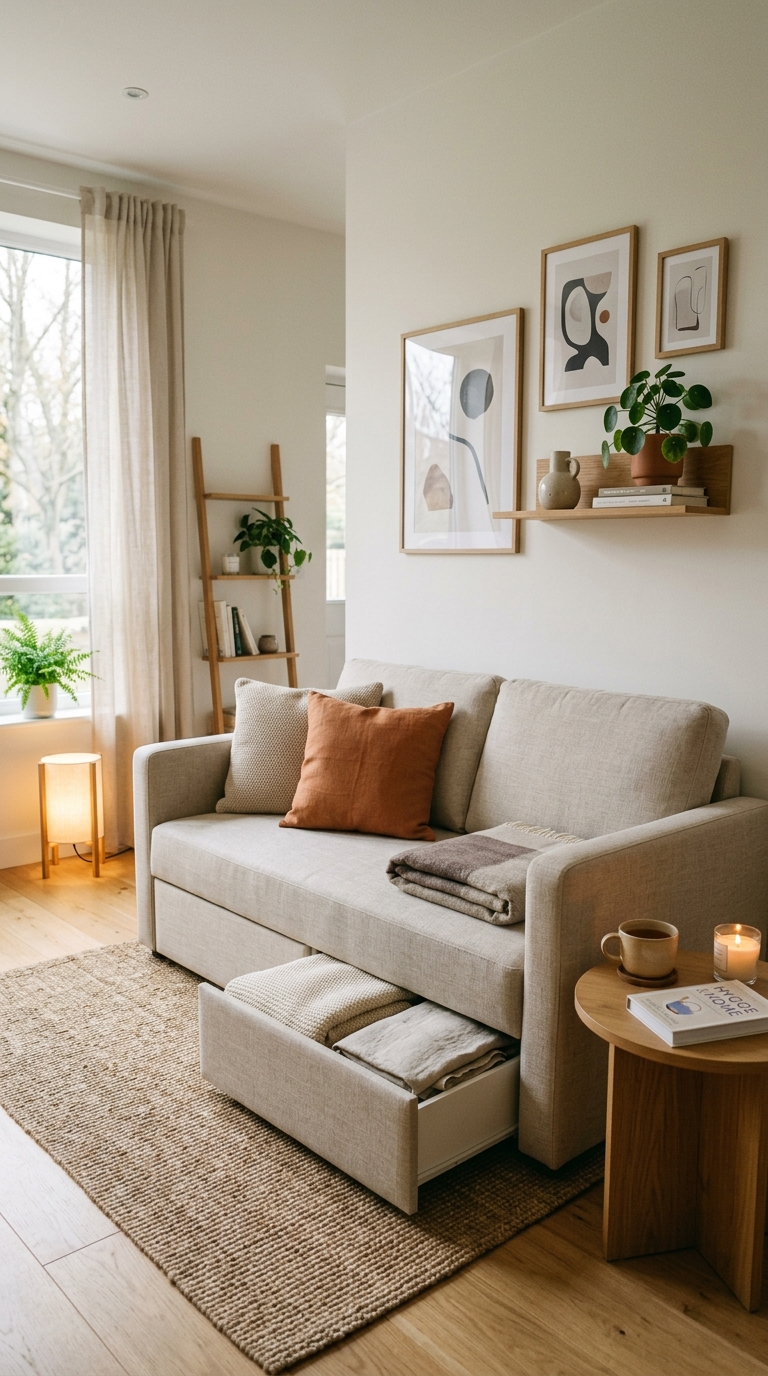
In a small space, every piece of furniture needs to earn its place. A sofa with built-in storage underneath — either pull-out drawers or a lift-top base — gives you a place to store throws, extra pillows, books, or board games without adding any extra furniture.
This keeps clutter invisible and the room looking clean at all times. You’re not sacrificing comfort for function either. Many modern storage sofas come in the same beautiful fabrics and silhouettes as regular sofas.
Look for styles with a simple, clean profile. Avoid anything with bulky arms or overly decorative legs that add visual noise to a small room.
Bring In One Statement Plant to Add Life
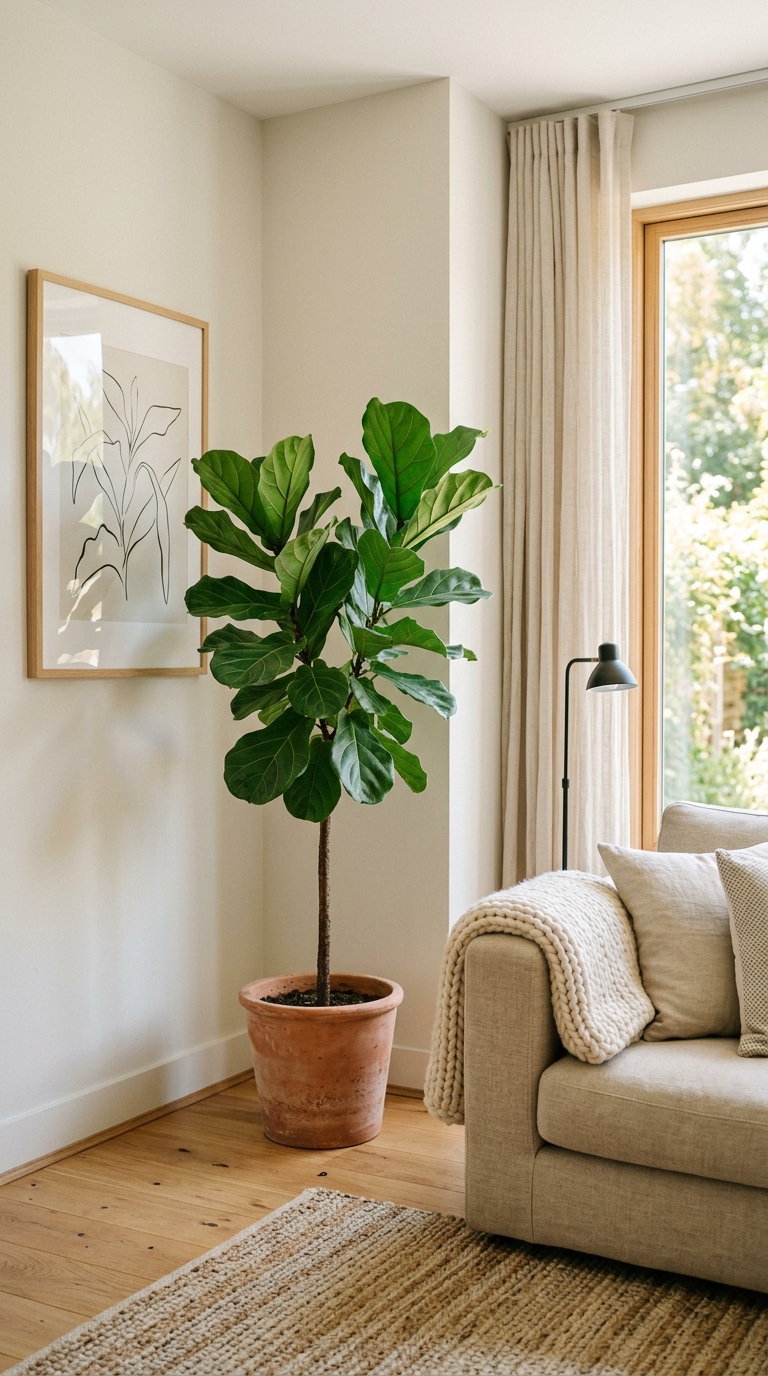
Plants are one of the most underrated tools in minimalist interior design. One single well-chosen plant — placed in the right spot — can completely transform the energy of a room. It adds color, texture, and life without adding visual clutter.
For a small living room, go vertical. A tall fiddle leaf fig, a snake plant, or a monstera in a simple white or terracotta pot draws the eye upward and makes ceilings feel higher. Avoid clustering multiple small plants together — that creates busyness. One large plant, one spot. Minimal and impactful.
Use Warm-Toned Lighting Instead of Overhead Lights
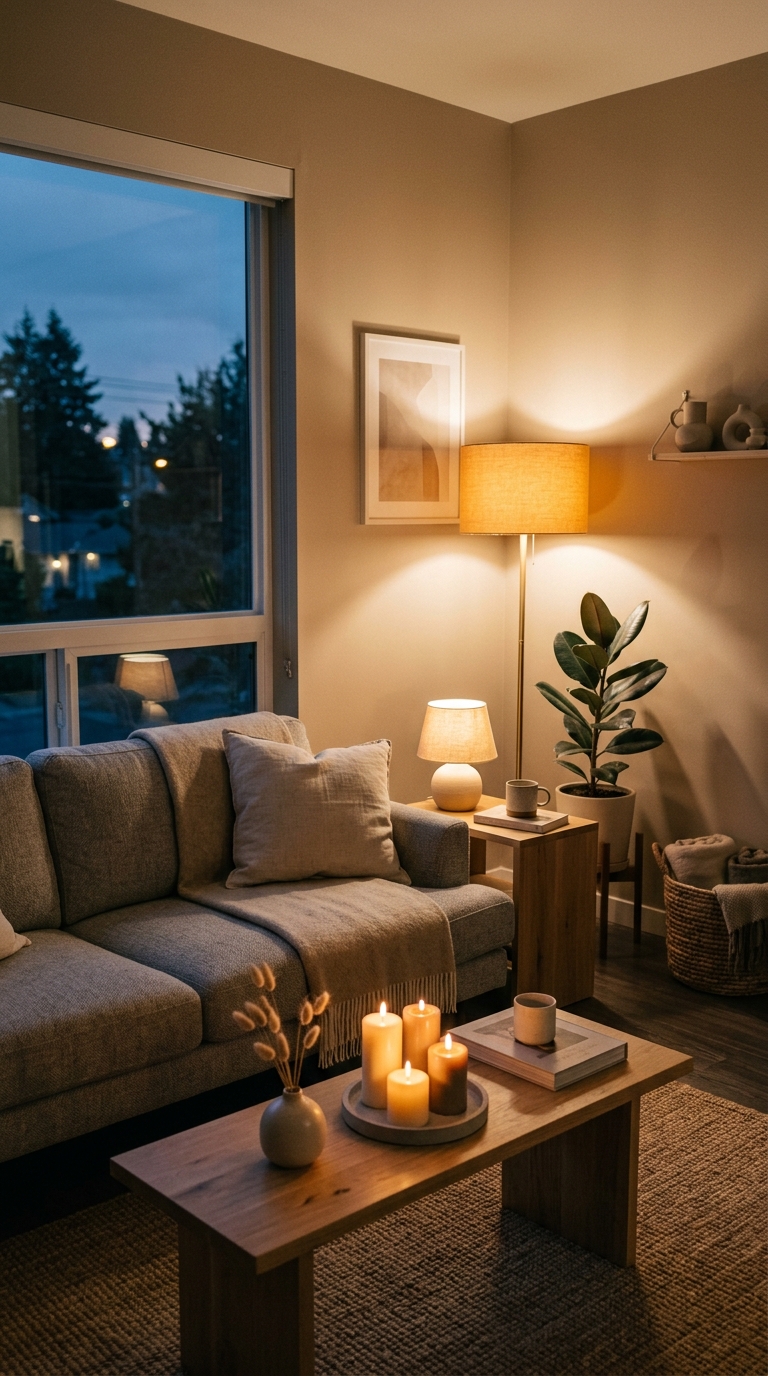
Nothing kills the cozy atmosphere of a living room faster than harsh overhead lighting. One of the most powerful — and most overlooked — upgrades you can make is switching to warm-toned, layered lighting.
Use a floor lamp with a warm bulb (2700K or below) in one corner. Add a small table lamp on a side table. Light a candle in the evening. This layered approach creates pockets of warmth throughout the room instead of one flat source of light from above.
The room instantly feels softer, more intimate, and genuinely cozy — without changing a single piece of furniture.
Opt for a Floating Shelf Display Instead of a Bookcase
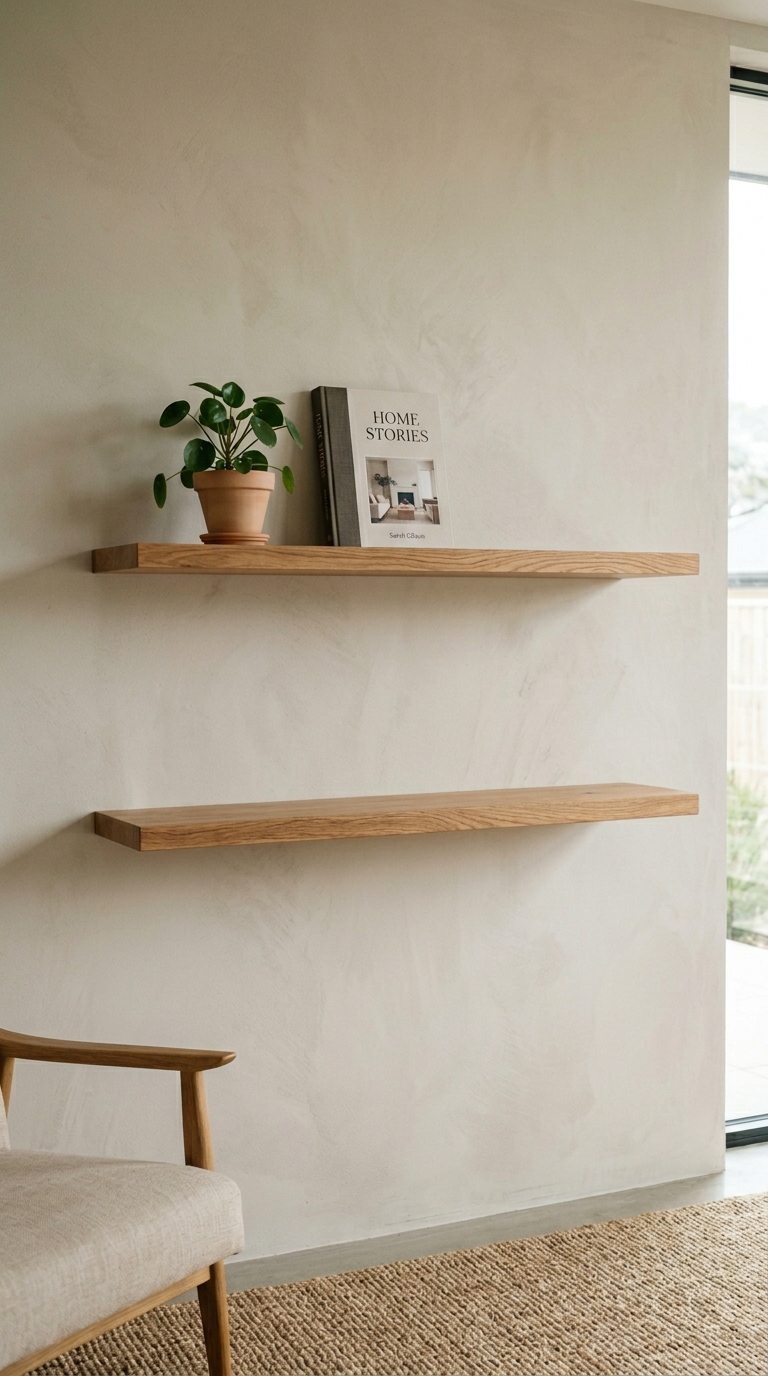
A full bookcase in a small living room takes up significant wall and floor space. Instead, use two or three floating shelves to create a curated display wall. This gives you the functionality of storage and the visual interest of a styled shelf — without the bulk.
The key is intentional styling. Group items in odd numbers. Mix heights — a tall candle, a low bowl, a mid-height plant. Leave breathing room between objects. Negative space on a shelf signals confidence and intention. Overcrowded shelves signal anxiety and clutter.
Stick to a consistent color palette on the shelves — all neutrals, all terracottas, or all greens. A coherent color story makes shelves look styled rather than random.
Keep Window Treatments Sheer and Simple
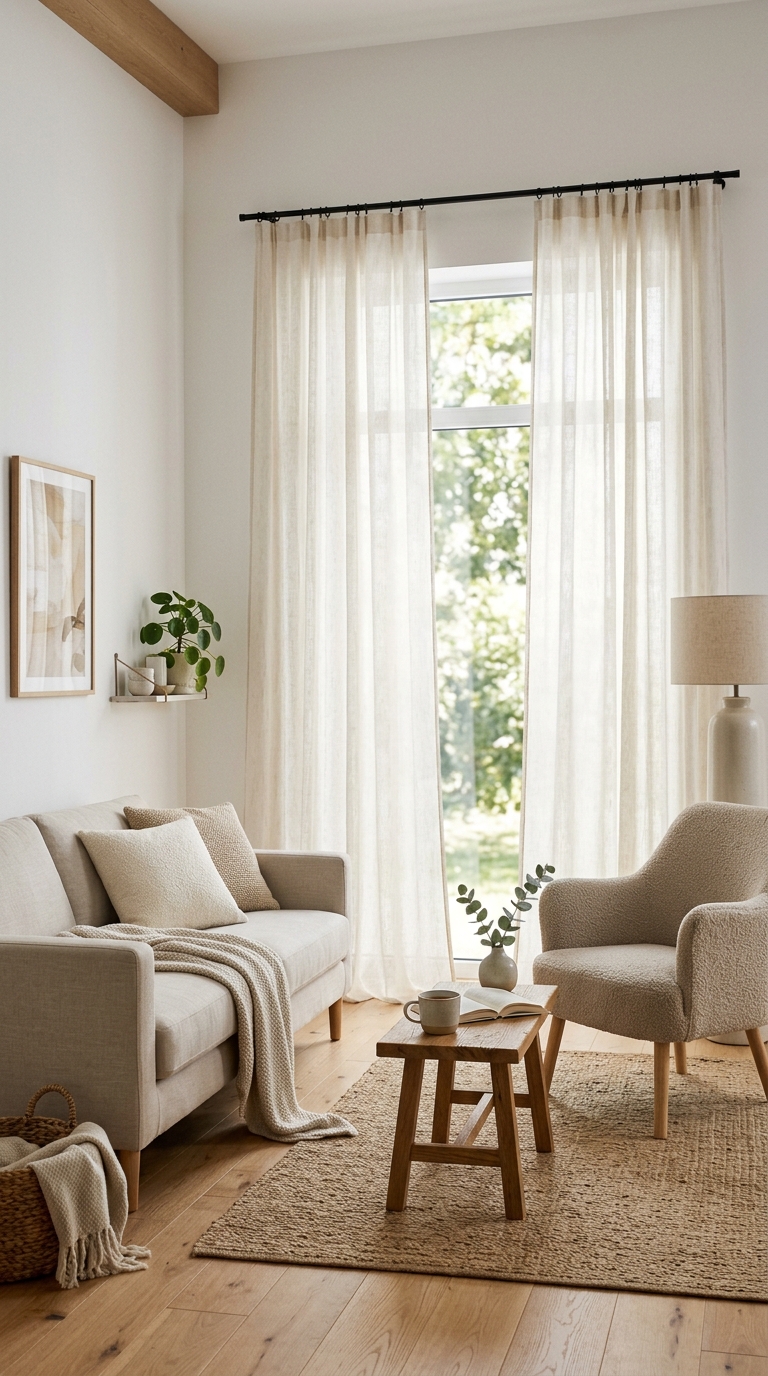
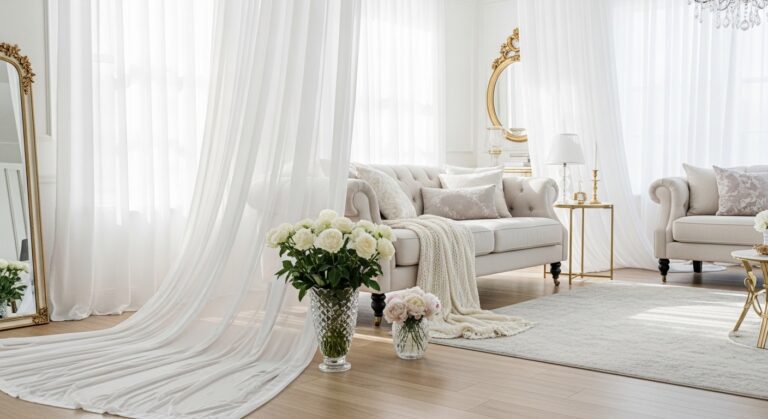
Heavy curtains eat up visual space and block light — two things you absolutely cannot afford in a small room. Swap them out for sheer linen curtains in off-white or warm cream. These diffuse light beautifully, soften the window frame, and add a breezy, light-filled quality to the room.
Hang the curtain rod as close to the ceiling as possible — even if your window is mid-wall. This elongates the wall, makes the ceiling appear higher, and creates an immediate sense of more space.
Simple ring-top curtains or tab-top styles work best here. No heavy valances, no blackout panels, no tassels. Clean, simple, and light.
Add a Cozy Reading Nook With Just One Chair
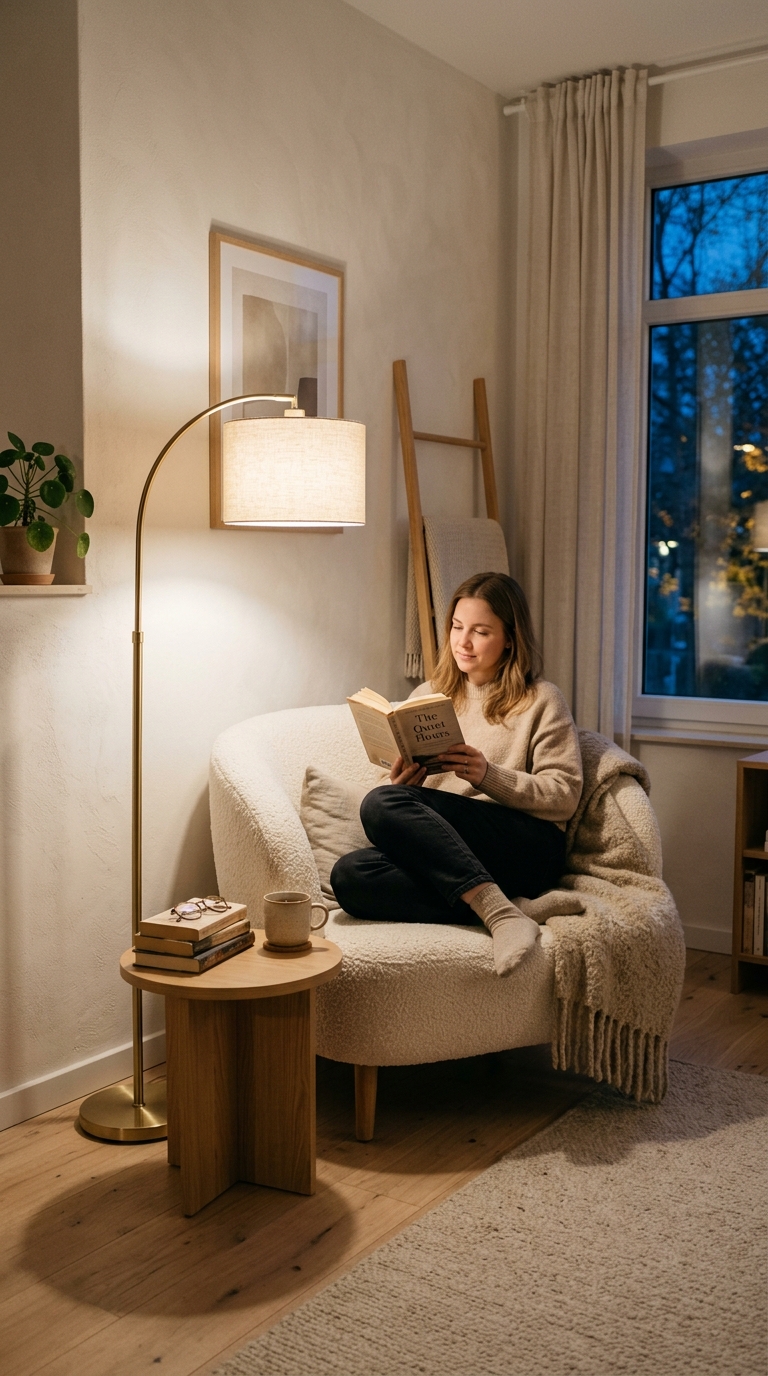
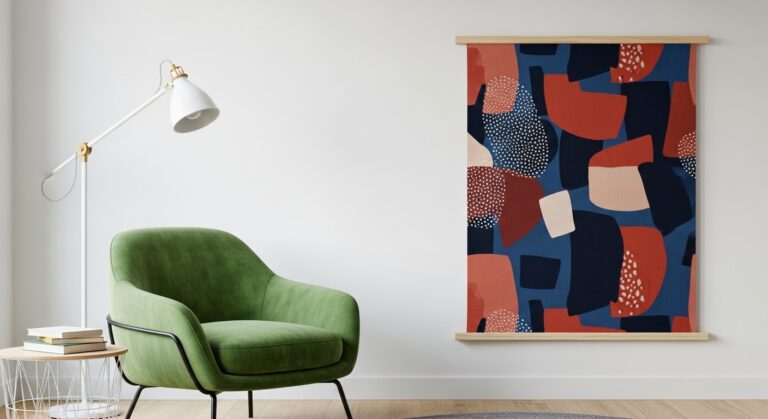
You don’t need a dedicated room to have a reading nook. In a small living room, one armchair positioned in a corner with a floor lamp beside it and a small side table for a drink is all you need. This becomes the most used spot in the house.
Choose a chair that’s genuinely comfortable — a boucle armchair, a deep-seated wingback, or a curved accent chair in a warm neutral. Add a footstool or small pouf in front of it to complete the nook. This corner now has purpose, coziness, and function — without consuming much space at all.
Choose Furniture With Slim Profiles and Raised Legs
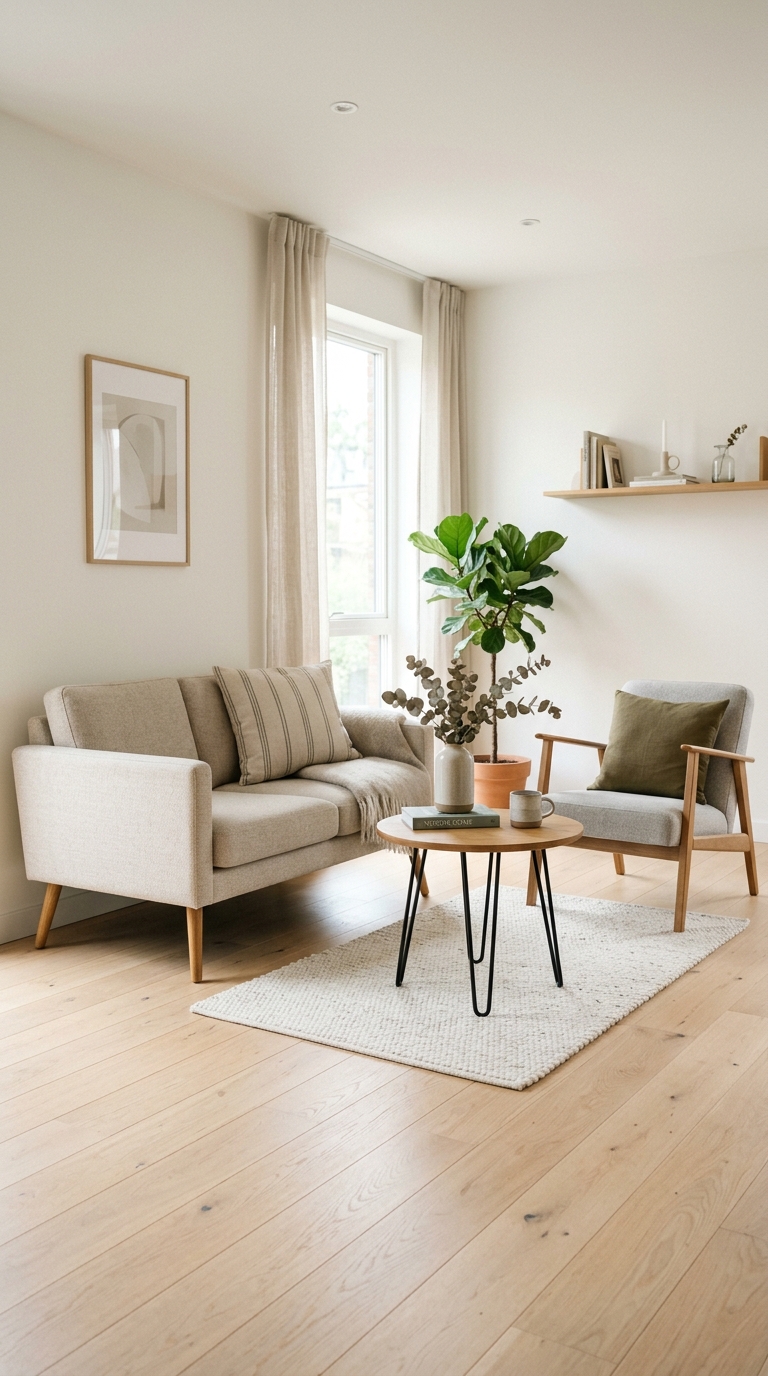
In a small space, the visual weight of your furniture matters as much as the physical size. Furniture with slim arms, clean lines, and visible legs creates an airy, open feel because you can see the floor beneath each piece. This tricks the eye into perceiving more square footage than there actually is.
Avoid furniture that sits directly on the floor with no visible leg. Bulky rolled arms, oversized cushions, and thick frames all shrink a room visually. A slim-profile sofa, a light wood armchair on tapered legs, and a side table with slender metal legs — these choices keep the room feeling open even when it’s fully furnished.
Use Mirrors Strategically to Expand the Space
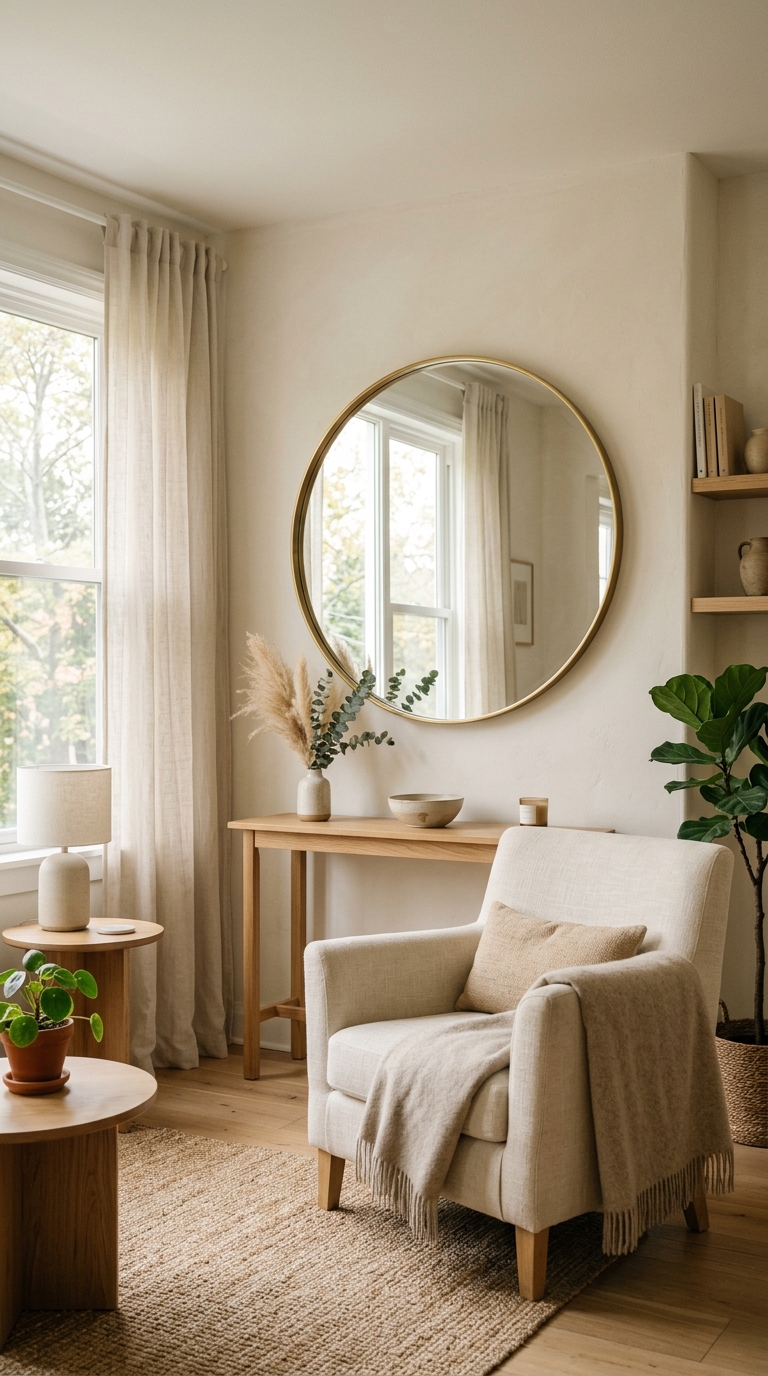
A well-placed mirror is one of the oldest tricks in interior design — and it absolutely works. In a small living room, one large mirror on a wall perpendicular to your window bounces natural light around the room and creates the visual illusion of depth.
The frame matters here. In a cozy minimalist space, go for a simple arched mirror with a thin wood or metal frame, or a classic round mirror in warm brass. Avoid overly ornate frames — they contradict the minimalist intention and add visual noise.
Don’t use multiple small mirrors clustered together. One large one always beats a gallery wall of small ones in terms of space expansion and visual calm.
Introduce Texture Through Natural Materials
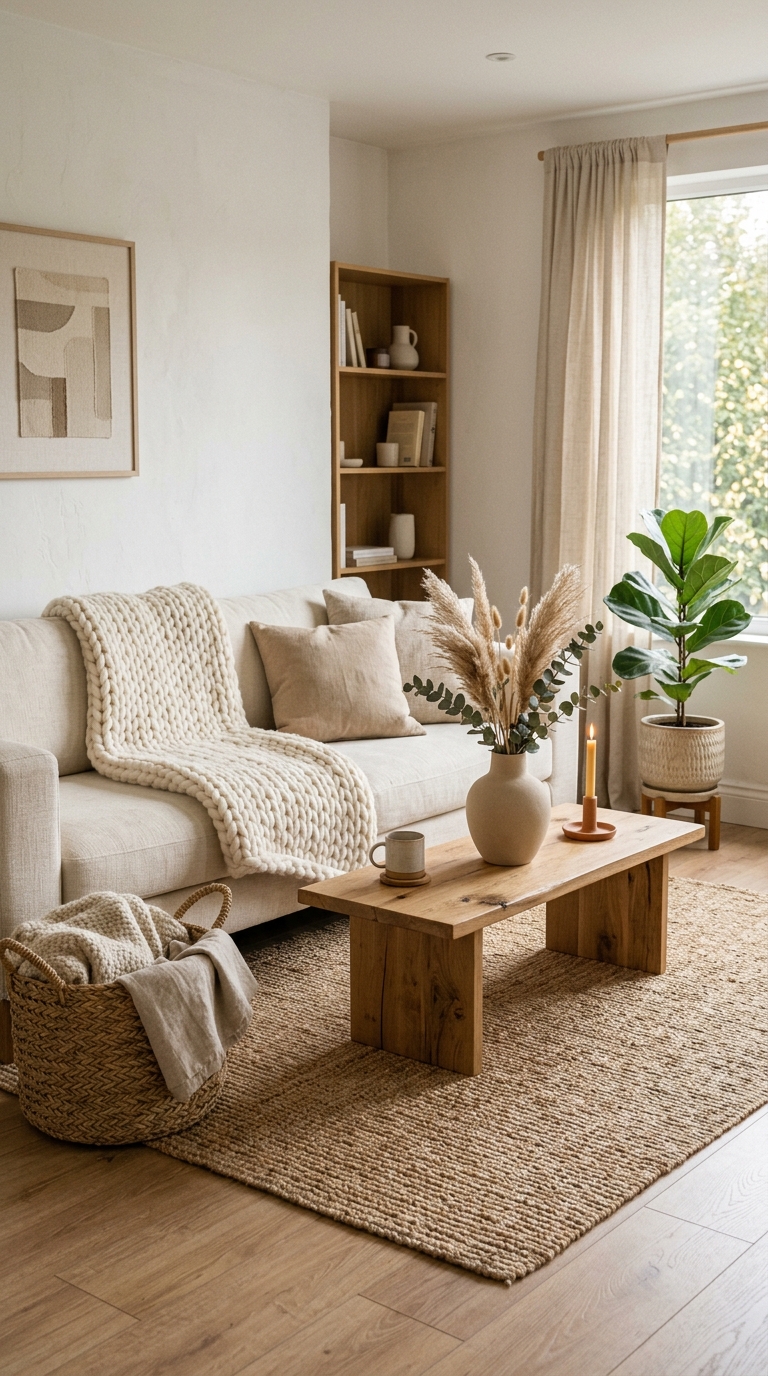
Coziness in a minimalist space doesn’t come from more stuff — it comes from more texture. When you limit your color palette to warm neutrals, texture becomes the main source of visual interest and warmth.
Think: a chunky knit throw on the sofa, a jute rug underfoot, a raw wood coffee table surface, a ceramic vase with a matte finish, linen cushion covers, a woven basket for storage. None of these items add clutter. All of them add warmth and tactile richness.
The rule here is to vary your textures while keeping your colors aligned. Rough, smooth, soft, hard — when these all exist in the same warm color family, the result is a room that feels genuinely luxurious and considered.
Embrace Intentional Empty Space as a Design Element
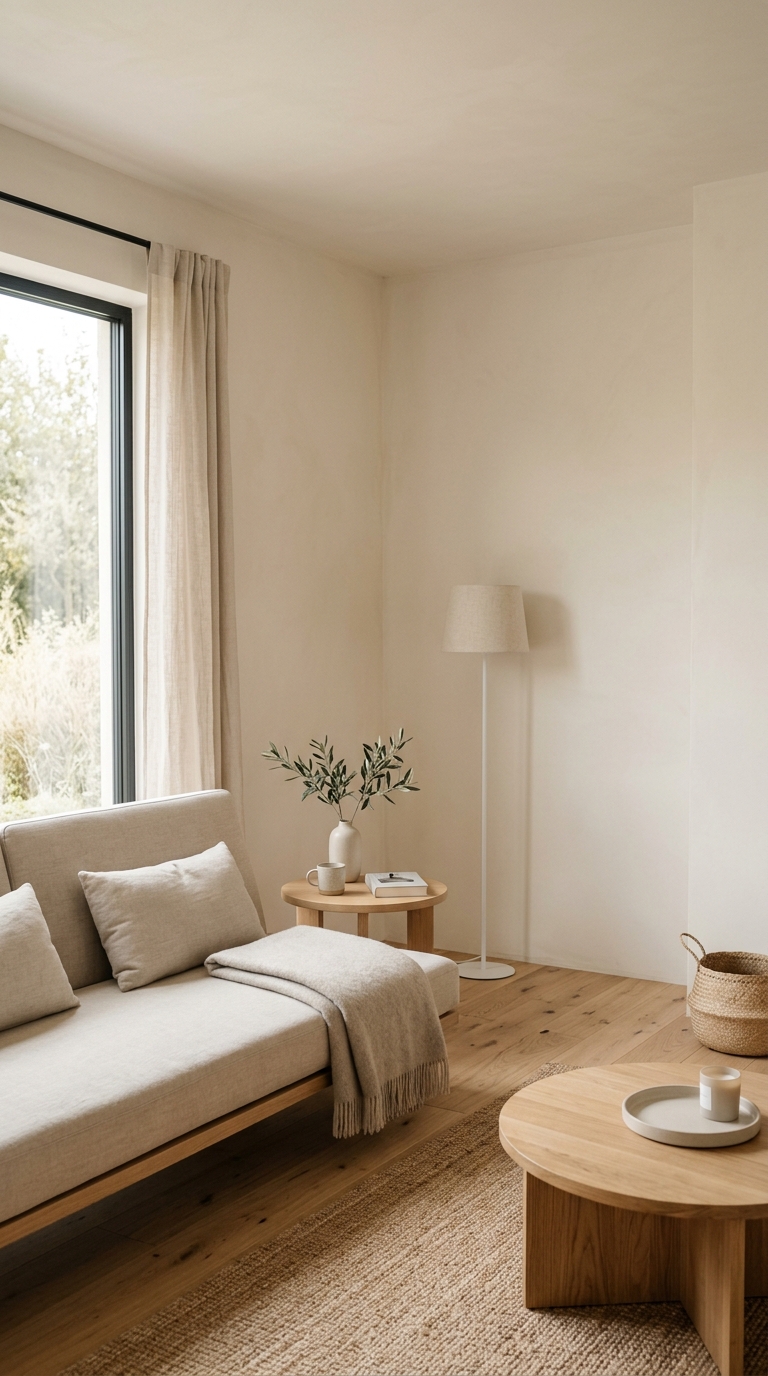
This is the mindset shift that separates cozy minimalism from just “having less stuff.” In a truly well-designed minimalist room, empty space isn’t a gap waiting to be filled. It’s an intentional choice.
Leave that corner bare. Don’t put a side table on both ends of the sofa if the room doesn’t need it. Let one wall stay completely empty. When you give a small room room to breathe, it becomes a place people actually want to spend time — because it doesn’t exhaust the eye.
The rooms we remember as feeling most relaxed and most beautiful are almost always the ones with space left open. Trust the emptiness. It’s doing a job.
Pulling It All Together
Here’s the thing about cozy minimalism in small spaces — it’s not about following all 15 ideas at once. It’s about choosing the ones that match your lifestyle and layering them with intention.
Start with your biggest visual changes first: the sofa, the wall color, the lighting. Then layer in texture, greenery, and thoughtful storage. Step back regularly and ask yourself — does this room feel calm? Does it feel warm? Does it feel like mine?
When the answer is yes to all three, you’ve nailed it. A small living room done right isn’t a compromise. It’s a statement — that you know exactly what you want, and nothing in this space is there by accident.
That’s the real definition of cozy minimalism. And your small space is the perfect canvas for it.