How Many Walls Should Be Decorated in a Room?
Walk into any beautifully designed room, and you’ll notice something interesting: not every wall is covered with artwork, shelves, mirrors, or décor. Yet when it comes time to decorate our own spaces, many of us wonder the same thing—should every wall be decorated?
It’s an easy mistake to make. Blank walls can sometimes feel unfinished, leading homeowners to fill every available surface with pictures, wall hangings, and decorative accents. The problem? Too much wall décor can have the opposite effect of what you’re trying to achieve. Instead of making a room feel stylish and inviting, it can make the space feel crowded, busy, and visually overwhelming.
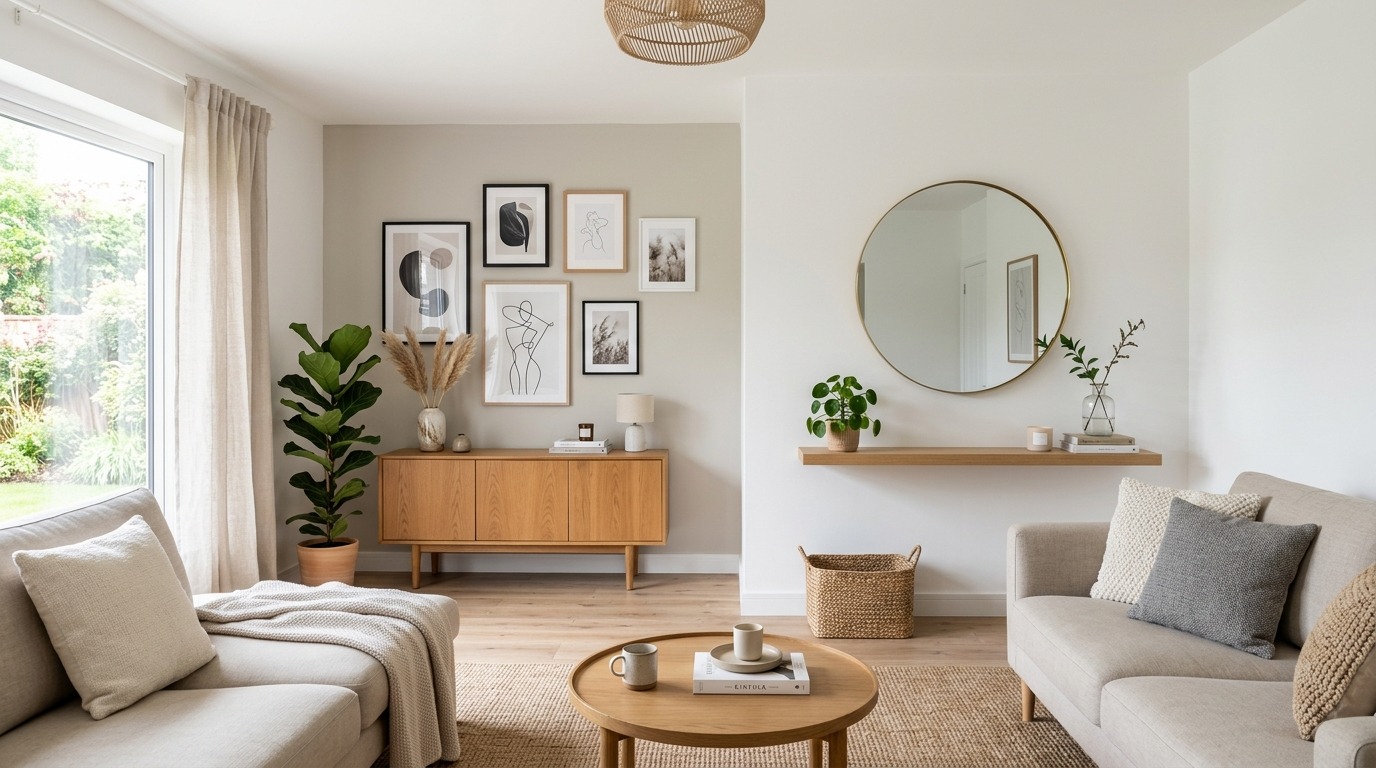
The good news is that interior design doesn’t require covering every wall to create a beautiful room. In fact, most rooms look best with just one to three decorated walls. This approach adds personality and visual interest while still allowing the space to feel open and balanced.
The ideal number of decorated walls depends on several factors, including the size of the room, its layout, existing focal points, and how much visual balance you want to create. A small bedroom, for example, often benefits from fewer decorated walls, while a large living room may need more wall décor to feel complete.
The Quick Answer: How Many Walls Should You Decorate?
The General Rule
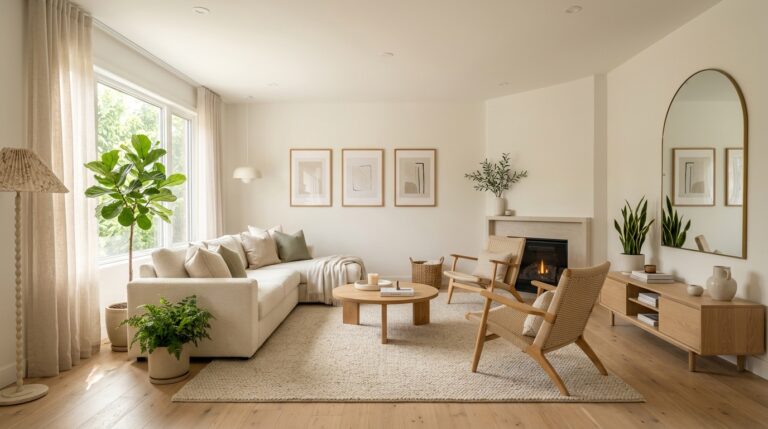
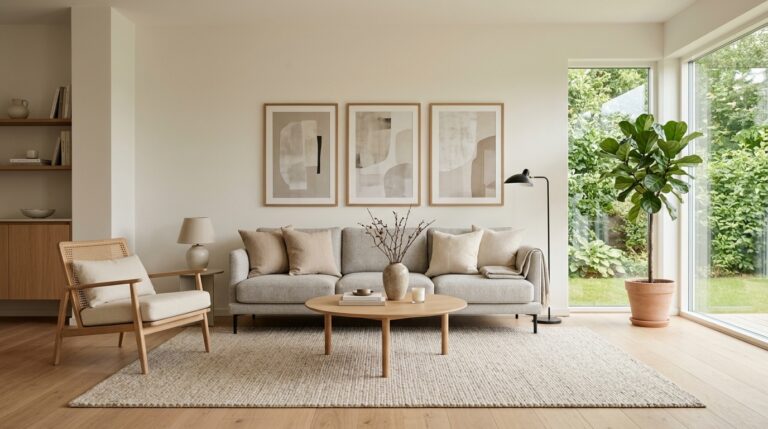
If you’re looking for a simple rule of thumb, most rooms look best with one to three decorated walls. This range creates enough visual interest to make a space feel thoughtfully designed without overwhelming the eye.
Decorating all four walls is usually unnecessary. While it might seem like more décor equals more style, covering every wall often makes a room feel cluttered rather than curated. The most successful interiors know when to add decoration—and when to leave space alone.
Think of wall décor as a way to highlight the room’s best features, not compete for attention from every angle. Whether you’re hanging artwork, displaying photographs, installing shelves, or creating a gallery wall, the goal is to enhance the room rather than fill every empty inch.
Why Balance Matters
One of the most important principles in interior design is balance. Decorated walls naturally attract attention. They create focal points, add personality, and guide the eye around the room.
But empty walls serve an equally important purpose.
Undecorated wall space gives the eye a place to rest. It prevents visual overload and helps your favorite pieces stand out instead of getting lost among too many competing elements. Without some breathing room, even beautiful décor can begin to feel chaotic.
A balanced mix of decorated and undecorated walls creates a space that feels comfortable, intentional, and visually appealing. Rather than asking, “How can I decorate every wall?” a better question is, “Which walls will have the greatest impact?” In most cases, focusing on one to three walls delivers the perfect balance between style and simplicity.
Why You Don’t Need to Decorate Every Wall
One of the biggest decorating myths is that every wall needs something on it. In reality, some of the most beautiful rooms leave certain walls completely untouched. The secret isn’t filling every empty space—it’s creating balance.
When every wall competes for attention, the room can start to feel busy instead of beautiful. That’s why professional designers often focus on a few key walls and allow the rest of the room to breathe.
The Problem With Overdecorating
Adding wall décor is exciting, but there’s a point where more stops being better.
Visual Clutter
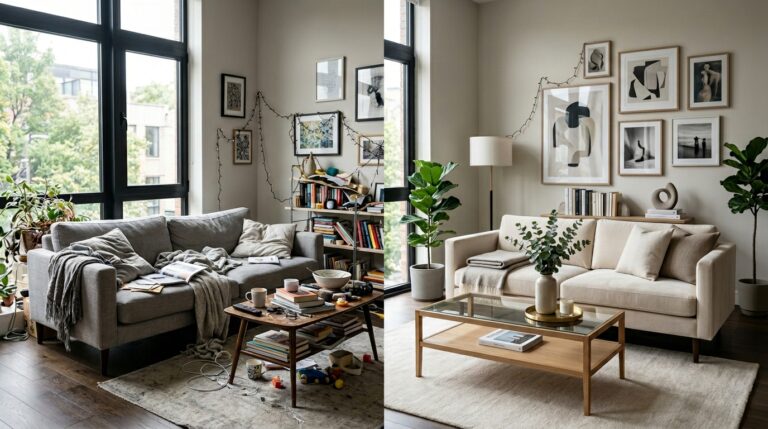
When artwork, mirrors, shelves, signs, and decorative pieces cover every wall, the eye has nowhere to settle. Instead of appreciating individual items, people see a collection of competing elements. The room begins to feel chaotic, even if each piece is attractive on its own.
Think of wall décor like accessories in an outfit. A few carefully chosen pieces can elevate the look, while too many can create visual confusion.
The Room Feels Smaller
Overdecorating can also make a room appear smaller than it actually is. Every decorative item adds visual weight, and when that weight is spread across all four walls, the space can start to feel enclosed.
This is especially noticeable in bedrooms, apartments, and compact living areas where wall space is already limited. Leaving some walls open creates the illusion of more space and allows the room to feel lighter and more open.
Important Décor Pieces Lose Impact
Ironically, filling every wall can make your favorite pieces less noticeable.
A stunning piece of artwork, a beautiful gallery wall, or a statement mirror deserves attention. But when every wall contains decorative elements, those standout features lose their ability to command the room.
The best décor often stands out because it has space around it.
The Importance of Negative Space
If you’ve ever walked into a room that felt calm, elegant, and effortlessly stylish, negative space probably played a role.
In interior design, negative space simply refers to the empty areas that surround decorative elements. It’s the space you intentionally leave undecorated.
Far from being wasted space, negative space is one of the most powerful design tools available.
Many decorating experts recommend leaving roughly 40% of your wall space bare. This doesn’t mean your room should feel unfinished. Instead, it creates visual breathing room that helps the decorated areas shine.
Imagine hanging a beautiful framed print on a wall by itself. It immediately becomes a focal point because nothing is competing with it. Now imagine surrounding that same print with multiple shelves, signs, mirrors, and additional artwork. Suddenly, the original piece becomes harder to notice.
Empty wall space gives the eye a chance to rest. It creates contrast, improves balance, and makes every decorative element feel more intentional. In many cases, what you leave off the wall is just as important as what you put on it.
How Room Size Affects the Number of Decorated Walls
The ideal number of decorated walls isn’t the same for every room. A small bedroom and a large open-concept living area have completely different visual needs.
As a general rule, the larger the room, the more decorated walls it can comfortably handle.
Small Rooms: Stick to 1–2 Walls
In compact spaces, less is usually more.
Decorating one or two walls creates enough visual interest without making the room feel crowded. Since small rooms have limited square footage, every decorative element has a greater impact on how the space feels.
By concentrating décor on a single focal wall—or at most two walls—you allow the room to remain open and inviting.
Small Bedroom
A bedroom often benefits from decorating the wall behind the bed while keeping the remaining walls simple. This naturally draws attention to the room’s focal point without overwhelming the space.
Home Office
In a home office, one decorated wall behind the desk can provide personality and inspiration while maintaining a clean, productive environment.
Apartment Living Room
Apartment living rooms typically have less wall space and closer furniture arrangements. A gallery wall behind the sofa or a single statement wall often provides all the decoration the room needs.
Large Rooms: 2–3 Walls Often Work Best
Larger rooms have a different challenge: too little wall décor can make them feel empty or unfinished.
Because there is more visual space to fill, decorating two or three walls often creates better balance throughout the room. Instead of relying on a single focal point, multiple decorated walls can help guide the eye around the space.
The key is maintaining cohesion so that each decorated wall feels connected to the overall design.
Large Living Room
In a spacious living room, artwork on the sofa wall, a mirror above a console table, and decorative shelving on another wall can create a balanced look without feeling excessive.
Open-Concept Spaces
Open layouts often combine multiple functions within one large area. Decorating two or three strategic walls helps define zones while maintaining visual flow throughout the space.
Great Rooms
Great rooms feature expansive walls that can easily feel bare. Incorporating décor on multiple walls helps create warmth, scale, and a sense of completion while still leaving plenty of negative space throughout the room.
Is One Accent Wall Enough?
Absolutely. In many cases, a single decorated wall is all a room needs.
While it’s tempting to spread artwork and décor throughout the entire space, one well-designed accent wall can often create a bigger impact than decorating multiple walls. The secret is choosing the right wall and making it the star of the room.
A thoughtfully decorated accent wall naturally draws attention, adds personality, and gives the space a sense of purpose without overwhelming it.
When One Decorated Wall Works Perfectly
Some rooms benefit more from a single focal wall than others.
Small Spaces
In smaller rooms, every design choice has a greater visual impact. Decorating just one wall helps maintain an open, airy feeling while still adding character.
Instead of filling limited wall space with multiple decorative arrangements, one feature wall can provide enough interest to make the room feel complete.
Minimalist Interiors
Minimalist design thrives on simplicity. In these spaces, less decoration often creates more impact.
A single gallery wall, large artwork piece, or decorative installation can become a striking focal point while preserving the clean, uncluttered look that minimalist interiors are known for.
Rooms With a Strong Focal Point
Some rooms naturally tell you where the décor should go.
A bed, fireplace, sofa, or dramatic architectural feature often becomes the room’s visual anchor. Decorating the wall associated with that focal point can be enough to establish balance without adding décor elsewhere.
Benefits of the Accent Wall Approach
Choosing one primary wall to decorate offers several advantages beyond aesthetics.
Makes Rooms Feel Larger
When fewer walls compete for attention, the room feels more open and spacious. The eye can move freely around the space instead of constantly processing decorative details.
This is one reason designers frequently recommend accent walls for bedrooms, apartments, and smaller living rooms.
Creates a Clear Focal Point
Every well-designed room needs a place for the eye to land.
An accent wall provides that destination. Whether it’s a gallery wall, oversized artwork, decorative molding, or statement wallpaper, the room instantly gains a visual centerpiece that anchors the entire design.
Easier and More Budget-Friendly to Decorate
Decorating one wall requires fewer materials, fewer accessories, and less planning.
Instead of purchasing multiple pieces of artwork or wall décor, you can invest in one standout feature that delivers greater impact. This often results in a more polished look while keeping decorating costs under control.
Popular Accent Wall Locations
Not every wall is equally suited for becoming a focal point. Some locations naturally work better than others.
Behind a Bed
The wall behind the bed is one of the most popular choices because it already serves as the visual center of the bedroom. Artwork, paneling, wallpaper, or decorative shelving can instantly elevate the entire space.
Behind a Sofa
In living rooms, the sofa wall often acts as the room’s anchor. Decorating this wall helps define the seating area and creates an intentional focal point.
Dining Room Feature Wall
A single decorated wall in the dining room can add elegance and personality without distracting from the overall simplicity of the space.
Entryway Statement Wall
First impressions matter. A decorated entryway wall can set the tone for the entire home and create an inviting welcome for guests.
How to Decide Which Walls to Decorate
Knowing how many walls to decorate is only part of the equation. The next challenge is deciding which walls deserve the attention.
Rather than decorating walls randomly, focus on the areas that naturally contribute to the room’s overall design.
Start With the Natural Focal Point
Every room has at least one wall that naturally attracts attention.
This should usually be your first decorating priority.
Bed Wall
In bedrooms, the wall behind the headboard is typically the strongest focal point. Enhancing this wall often eliminates the need for excessive décor elsewhere.
Sofa Wall
In living rooms, the sofa wall provides a natural backdrop for artwork, mirrors, or gallery displays.
Fireplace Wall
A fireplace already commands attention. Decorating the surrounding wall can strengthen its role as the centerpiece of the room.
TV Wall
In many modern homes, the TV wall functions as a major focal point. Strategic décor can help integrate the television into the overall design rather than allowing it to dominate the room.
Consider Traffic Flow
A wall’s location matters just as much as its appearance.
Before hanging anything, pay attention to how people move through the space.
Ask yourself:
- Which wall do people see first when entering the room?
- Which wall naturally catches attention from the doorway?
- Which areas are viewed most often during daily use?
The answers can help identify the walls that will have the greatest visual impact.
Balance Décor Around the Room
Even if you’re only decorating one or two walls, balance remains important.
Avoid concentrating all decorative elements on one side of the room while leaving the opposite side visually empty. This can make the space feel uneven.
Instead, think about creating harmony throughout the room. A large gallery wall on one side might be balanced by furniture, lighting, or subtle decorative accents elsewhere.
The goal isn’t to fill every surface—it’s to create a room that feels cohesive, comfortable, and visually balanced from every angle.
Is One Accent Wall Enough?
Absolutely. In many cases, a single decorated wall is all a room needs.
While it’s tempting to spread artwork and décor throughout the entire space, one well-designed accent wall can often create a bigger impact than decorating multiple walls. The secret is choosing the right wall and making it the star of the room.
A thoughtfully decorated accent wall naturally draws attention, adds personality, and gives the space a sense of purpose without overwhelming it.
When One Decorated Wall Works Perfectly
Some rooms benefit more from a single focal wall than others.
Small Spaces
In smaller rooms, every design choice has a greater visual impact. Decorating just one wall helps maintain an open, airy feeling while still adding character.
Instead of filling limited wall space with multiple decorative arrangements, one feature wall can provide enough interest to make the room feel complete.
Minimalist Interiors
Minimalist design thrives on simplicity. In these spaces, less decoration often creates more impact.
A single gallery wall, large artwork piece, or decorative installation can become a striking focal point while preserving the clean, uncluttered look that minimalist interiors are known for.
Rooms With a Strong Focal Point
Some rooms naturally tell you where the décor should go.
A bed, fireplace, sofa, or dramatic architectural feature often becomes the room’s visual anchor. Decorating the wall associated with that focal point can be enough to establish balance without adding décor elsewhere.
Benefits of the Accent Wall Approach
Choosing one primary wall to decorate offers several advantages beyond aesthetics.
Makes Rooms Feel Larger
When fewer walls compete for attention, the room feels more open and spacious. The eye can move freely around the space instead of constantly processing decorative details.
This is one reason designers frequently recommend accent walls for bedrooms, apartments, and smaller living rooms.
Creates a Clear Focal Point
Every well-designed room needs a place for the eye to land.
An accent wall provides that destination. Whether it’s a gallery wall, oversized artwork, decorative molding, or statement wallpaper, the room instantly gains a visual centerpiece that anchors the entire design.
Easier and More Budget-Friendly to Decorate
Decorating one wall requires fewer materials, fewer accessories, and less planning.
Instead of purchasing multiple pieces of artwork or wall décor, you can invest in one standout feature that delivers greater impact. This often results in a more polished look while keeping decorating costs under control.
Popular Accent Wall Locations
Not every wall is equally suited for becoming a focal point. Some locations naturally work better than others.
Behind a Bed
The wall behind the bed is one of the most popular choices because it already serves as the visual center of the bedroom. Artwork, paneling, wallpaper, or decorative shelving can instantly elevate the entire space.
Behind a Sofa
In living rooms, the sofa wall often acts as the room’s anchor. Decorating this wall helps define the seating area and creates an intentional focal point.
Dining Room Feature Wall
A single decorated wall in the dining room can add elegance and personality without distracting from the overall simplicity of the space.
Entryway Statement Wall
First impressions matter. A decorated entryway wall can set the tone for the entire home and create an inviting welcome for guests.
How to Decide Which Walls to Decorate
Knowing how many walls to decorate is only part of the equation. The next challenge is deciding which walls deserve the attention.
Rather than decorating walls randomly, focus on the areas that naturally contribute to the room’s overall design.
Start With the Natural Focal Point
Every room has at least one wall that naturally attracts attention.
This should usually be your first decorating priority.
Bed Wall
In bedrooms, the wall behind the headboard is typically the strongest focal point. Enhancing this wall often eliminates the need for excessive décor elsewhere.
Sofa Wall
In living rooms, the sofa wall provides a natural backdrop for artwork, mirrors, or gallery displays.
Fireplace Wall
A fireplace already commands attention. Decorating the surrounding wall can strengthen its role as the centerpiece of the room.
TV Wall
In many modern homes, the TV wall functions as a major focal point. Strategic décor can help integrate the television into the overall design rather than allowing it to dominate the room.
Consider Traffic Flow
A wall’s location matters just as much as its appearance.
Before hanging anything, pay attention to how people move through the space.
Ask yourself:
- Which wall do people see first when entering the room?
- Which wall naturally catches attention from the doorway?
- Which areas are viewed most often during daily use?
The answers can help identify the walls that will have the greatest visual impact.
Balance Décor Around the Room
Even if you’re only decorating one or two walls, balance remains important.
Avoid concentrating all decorative elements on one side of the room while leaving the opposite side visually empty. This can make the space feel uneven.
Instead, think about creating harmony throughout the room. A large gallery wall on one side might be balanced by furniture, lighting, or subtle decorative accents elsewhere.
The goal isn’t to fill every surface—it’s to create a room that feels cohesive, comfortable, and visually balanced from every angle.
Is One Accent Wall Enough?
Absolutely. In many cases, a single decorated wall is all a room needs.
While it’s tempting to spread artwork and décor throughout the entire space, one well-designed accent wall can often create a bigger impact than decorating multiple walls. The secret is choosing the right wall and making it the star of the room.
A thoughtfully decorated accent wall naturally draws attention, adds personality, and gives the space a sense of purpose without overwhelming it.
When One Decorated Wall Works Perfectly
Some rooms benefit more from a single focal wall than others.
Small Spaces
In smaller rooms, every design choice has a greater visual impact. Decorating just one wall helps maintain an open, airy feeling while still adding character.
Instead of filling limited wall space with multiple decorative arrangements, one feature wall can provide enough interest to make the room feel complete.
Minimalist Interiors
Minimalist design thrives on simplicity. In these spaces, less decoration often creates more impact.
A single gallery wall, large artwork piece, or decorative installation can become a striking focal point while preserving the clean, uncluttered look that minimalist interiors are known for.
Rooms With a Strong Focal Point
Some rooms naturally tell you where the décor should go.
A bed, fireplace, sofa, or dramatic architectural feature often becomes the room’s visual anchor. Decorating the wall associated with that focal point can be enough to establish balance without adding décor elsewhere.
Benefits of the Accent Wall Approach
Choosing one primary wall to decorate offers several advantages beyond aesthetics.
Makes Rooms Feel Larger
When fewer walls compete for attention, the room feels more open and spacious. The eye can move freely around the space instead of constantly processing decorative details.
This is one reason designers frequently recommend accent walls for bedrooms, apartments, and smaller living rooms.
Creates a Clear Focal Point
Every well-designed room needs a place for the eye to land.
An accent wall provides that destination. Whether it’s a gallery wall, oversized artwork, decorative molding, or statement wallpaper, the room instantly gains a visual centerpiece that anchors the entire design.
Easier and More Budget-Friendly to Decorate
Decorating one wall requires fewer materials, fewer accessories, and less planning.
Instead of purchasing multiple pieces of artwork or wall décor, you can invest in one standout feature that delivers greater impact. This often results in a more polished look while keeping decorating costs under control.
Popular Accent Wall Locations
Not every wall is equally suited for becoming a focal point. Some locations naturally work better than others.
Behind a Bed
The wall behind the bed is one of the most popular choices because it already serves as the visual center of the bedroom. Artwork, paneling, wallpaper, or decorative shelving can instantly elevate the entire space.
Behind a Sofa
In living rooms, the sofa wall often acts as the room’s anchor. Decorating this wall helps define the seating area and creates an intentional focal point.
Dining Room Feature Wall
A single decorated wall in the dining room can add elegance and personality without distracting from the overall simplicity of the space.
Entryway Statement Wall
First impressions matter. A decorated entryway wall can set the tone for the entire home and create an inviting welcome for guests.
How to Decide Which Walls to Decorate
Knowing how many walls to decorate is only part of the equation. The next challenge is deciding which walls deserve the attention.
Rather than decorating walls randomly, focus on the areas that naturally contribute to the room’s overall design.
Start With the Natural Focal Point
Every room has at least one wall that naturally attracts attention.
This should usually be your first decorating priority.
Bed Wall
In bedrooms, the wall behind the headboard is typically the strongest focal point. Enhancing this wall often eliminates the need for excessive décor elsewhere.
Sofa Wall
In living rooms, the sofa wall provides a natural backdrop for artwork, mirrors, or gallery displays.
Fireplace Wall
A fireplace already commands attention. Decorating the surrounding wall can strengthen its role as the centerpiece of the room.
TV Wall
In many modern homes, the TV wall functions as a major focal point. Strategic décor can help integrate the television into the overall design rather than allowing it to dominate the room.
Consider Traffic Flow
A wall’s location matters just as much as its appearance.
Before hanging anything, pay attention to how people move through the space.
Ask yourself:
- Which wall do people see first when entering the room?
- Which wall naturally catches attention from the doorway?
- Which areas are viewed most often during daily use?
The answers can help identify the walls that will have the greatest visual impact.
Balance Décor Around the Room
Even if you’re only decorating one or two walls, balance remains important.
Avoid concentrating all decorative elements on one side of the room while leaving the opposite side visually empty. This can make the space feel uneven.
Instead, think about creating harmony throughout the room. A large gallery wall on one side might be balanced by furniture, lighting, or subtle decorative accents elsewhere.
The goal isn’t to fill every surface—it’s to create a room that feels cohesive, comfortable, and visually balanced from every angle.
Signs You’re Decorating Too Many Walls
Sometimes a room doesn’t feel “wrong” because of what’s missing—it feels wrong because there’s simply too much happening. Wall décor can easily cross that line, turning a thoughtfully styled space into one that feels visually overloaded.
The tricky part? It often happens gradually. One piece here, another frame there, a small shelf added for “balance”… and suddenly every wall is competing for attention.
Common Warning Signs
If you’re unsure whether a room has gone a bit overboard, these signs usually give it away.
Room Feels Busy or Chaotic
When every wall carries decoration, the eye has no place to pause. Instead of enjoying individual pieces, everything blends into a constant stream of visual noise. The room starts to feel active—even when you’re trying to create calm.
Artwork Competes for Attention
Great décor should stand out. But when too many pieces share the spotlight, nothing truly shines.
Instead of one strong focal point, the room becomes a collection of competing features. Your eye keeps jumping from one wall to another without settling anywhere.
Space Feels Smaller Than It Actually Is
Too much wall decoration adds visual weight. That weight can make even a decent-sized room feel tighter and more enclosed than it really is.
This is especially noticeable in smaller rooms where wall space is already limited. The more you fill it, the more compressed the space can feel.
No Area Feels Visually Restful
A well-designed room always has a moment of calm—an area where the eye can relax.
When every wall is decorated, that calm disappears. The room may still be beautiful, but it stops feeling comfortable or easy to live in.
Easy Fixes
The good news? Overdecorated walls are easy to correct without starting from scratch.
Remove Some Wall Décor
Start by stepping back and identifying pieces that don’t need to be there. Removing even a few items can instantly restore balance and clarity.
Consolidate Gallery Arrangements
Instead of spreading artwork across multiple walls, bring pieces together into a single, intentional display. A focused gallery wall often feels more powerful than several scattered ones.
Leave Selected Walls Intentionally Blank
Empty walls are not wasted space—they’re design tools. Leaving a few walls bare gives the room structure, contrast, and breathing room.
Decorating Recommendations by Room Type
Different rooms have different visual needs, so the ideal number of decorated walls naturally changes from space to space.
Living Room
Usually 2–3 decorated walls work best. This allows enough visual interest to support a larger space while keeping the overall look balanced and cohesive.
Bedroom
Often 1–2 walls are enough. Since bedrooms are meant to feel calm and restful, limiting wall décor helps maintain a soothing atmosphere.
Dining Room
A single focal wall or two balanced walls can create the right level of elegance without overwhelming the dining experience.
Home Office
One feature wall is usually sufficient. It adds personality and inspiration while keeping the environment clean and distraction-free.
Hallways and Entryways
These areas benefit most from strategic decorating rather than full coverage. A few well-placed pieces are far more effective than filling every wall, helping guide movement and set the tone for the rest of the home.
The Ideal Formula for a Balanced Room
When it comes to decorating walls, there’s no need to overthink or overfill. A balanced room isn’t built by covering every surface—it’s created by knowing what to highlight and what to leave alone. The goal is simple: make the space feel intentional, not crowded.
Follow These Simple Guidelines
Think of these as your go-to design rules whenever you’re planning wall décor. They’re flexible, practical, and work in almost any room.
Decorate 1–3 Walls
Most rooms feel their best when only one to three walls are decorated. This range is enough to add personality and visual interest without overwhelming the space.
Leave Roughly 40% of Wall Space Open
Empty wall space isn’t wasted—it’s essential. Keeping about 40% of walls undecorated gives the room breathing room and helps decorated areas stand out more clearly.
Prioritize Focal Points
Not all walls are equal. Focus on the natural attention-grabbers in the room, whether it’s behind a bed, sofa, fireplace, or main seating area. These spots carry the most visual weight and deserve priority.
Match Wall Décor to Room Size
Scale matters. Smaller rooms generally need fewer decorated walls, while larger rooms can support more without feeling cluttered. Always let the size of the space guide your choices.
Use Empty Space Intentionally
Blank walls are not gaps to be filled—they’re part of the design. They create contrast, highlight key pieces, and help the room feel more relaxed and open.
Final Thoughts: Less Is Often More
There’s no strict rule that says every wall must be decorated. In fact, some of the most inviting interiors are the ones that know when to stop.
Instead of focusing on filling space, focus on balance. A well-designed room isn’t about how much you add—it’s about how thoughtfully you place it. When décor is intentional, even a few pieces can transform the entire feel of a space.
At the end of the day, simplicity often wins. And in most homes, decorating just one to three walls is enough to create a space that feels stylish, comfortable, and effortlessly put together.