What Is the Golden Rule for Home Decor?
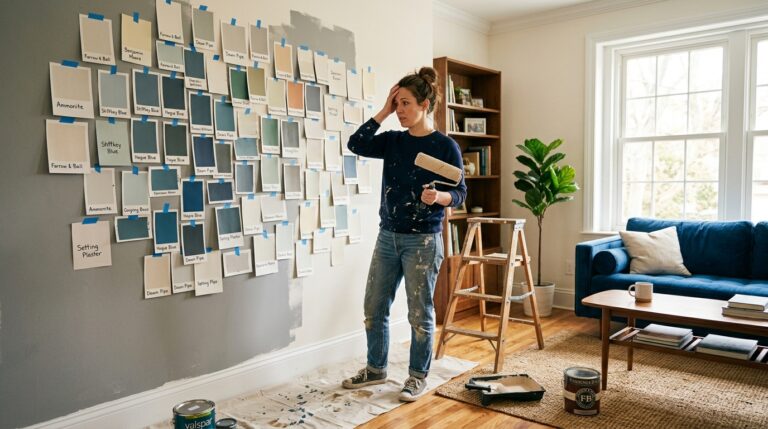
Decorating a home sounds simple—until you’re standing in a room filled with furniture, paint samples, rugs, and decor pieces that somehow don’t seem to work together. Many homeowners struggle to create spaces that feel stylish without looking cluttered, busy, or overwhelming. It’s easy to fall into the trap of adding more decorations, only to discover that the room feels less inviting than before.
So, what is the golden rule for home decor?
The answer is surprisingly simple: create balance and harmony throughout your space. Nearly every successful interior design decision comes back to these two principles. Whether you’re decorating a small apartment, a family home, or a luxury living room, balance and harmony help create a space that feels comfortable, cohesive, and visually appealing.
The best part is that this rule doesn’t depend on your budget or decorating style. From modern and minimalist interiors to cozy farmhouse homes and colorful bohemian spaces, balance and harmony remain the foundation of great design.
What Is the Golden Rule for Home Decor?
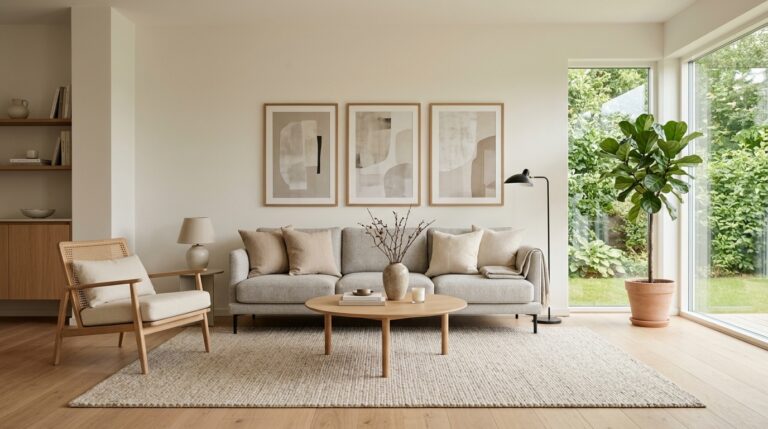
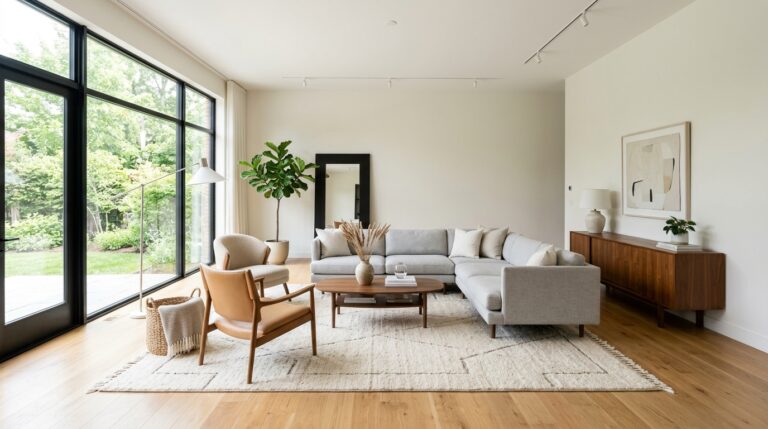
The golden rule for home decor is creating a sense of balance and harmony in every room. Rather than focusing on individual furniture pieces or trendy accessories, this approach considers how all the elements work together as a complete design.
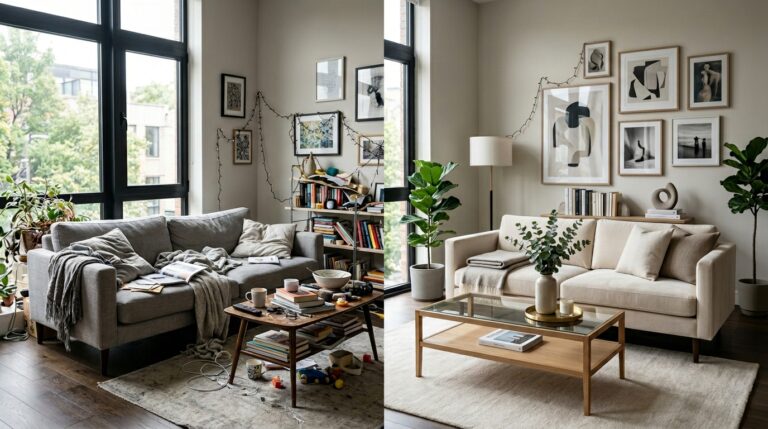
When a room feels balanced and harmonious, nothing seems out of place. Your eyes move naturally through the space, and the room feels comfortable without feeling boring. It’s the difference between a room that looks professionally designed and one that feels random or unfinished.
The Two Core Elements Behind the Golden Rule
At the heart of every beautifully designed room are two essential principles: balance and harmony. These concepts may sound simple, but together they determine whether a space feels comfortable, inviting, and well-designed or cluttered and chaotic. Understanding how they work can help you make better decorating decisions in any room of your home.
Balance: Creating Visual Stability
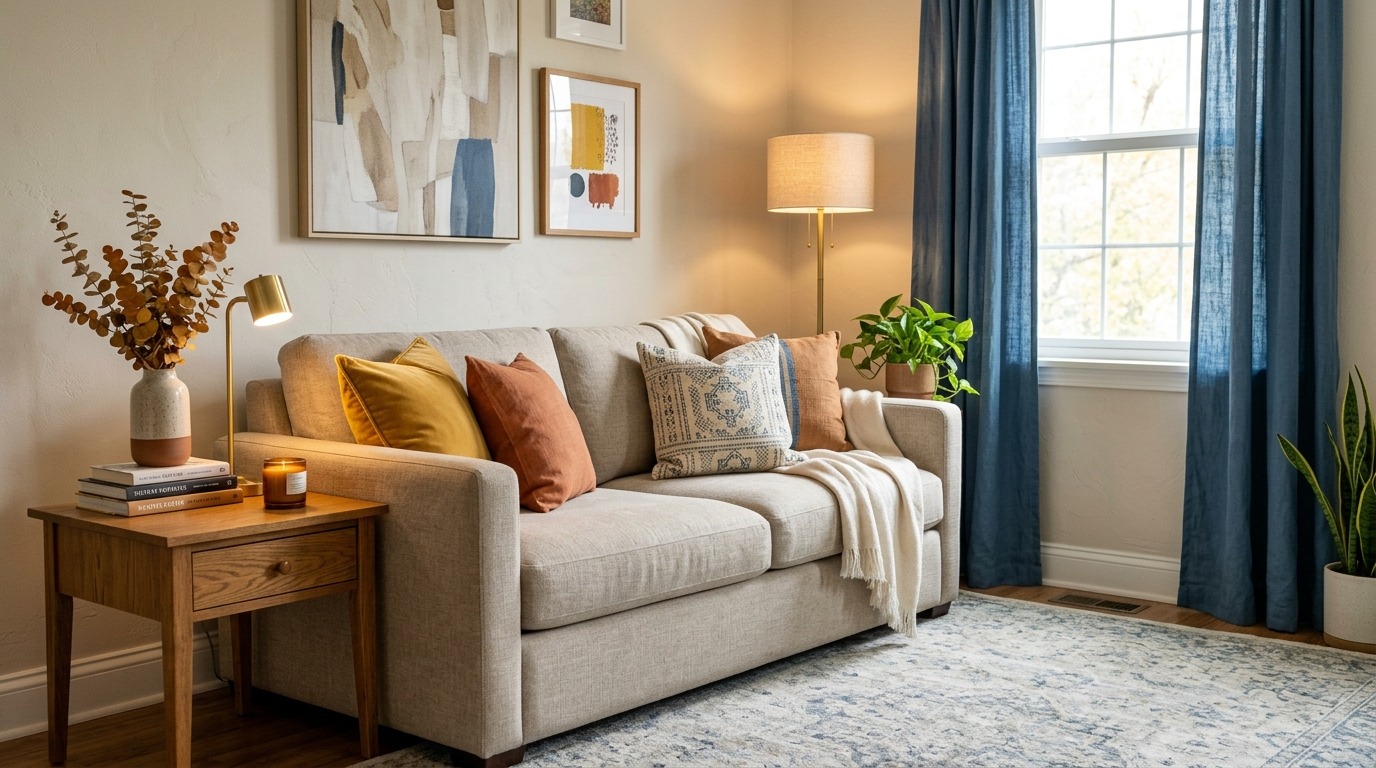
Balance is what gives a room a sense of stability. It ensures that visual weight is distributed evenly throughout a space so that one side doesn’t feel crowded while another feels empty. When balance is achieved, a room feels naturally comfortable and easy on the eyes.
What Balance Means in Home Decor
Think of balance as creating an even visual distribution throughout a room. Every piece of furniture, decorative item, and architectural feature carries visual weight. Large furniture pieces naturally attract more attention than smaller accessories, so they need to be arranged thoughtfully.
The goal is to prevent one area from feeling significantly heavier than another. For example, if one side of a living room contains a large sectional sofa while the opposite side is nearly empty, the room can feel visually off-center. Balance helps create a sense of order that makes the entire space feel more comfortable.
Simple Ways to Create Balance
Creating balance doesn’t mean making everything perfectly symmetrical. Instead, focus on distributing visual weight throughout the room.
- Mix large and small furniture pieces to create variety and stability.
- Avoid overcrowding one section of the room with too many furnishings.
- Arrange seating in a way that encourages conversation and interaction.
- Leave breathing room between furniture pieces to prevent a cramped appearance.
- Spread decorative accents evenly throughout the space rather than concentrating them in one area.
When balance is present, every part of the room feels connected and purposeful.
Harmony: Making Everything Work Together
While balance focuses on visual weight, harmony focuses on cohesion. Harmony is what makes a room feel like a complete design rather than a collection of unrelated items.
What Harmony Means
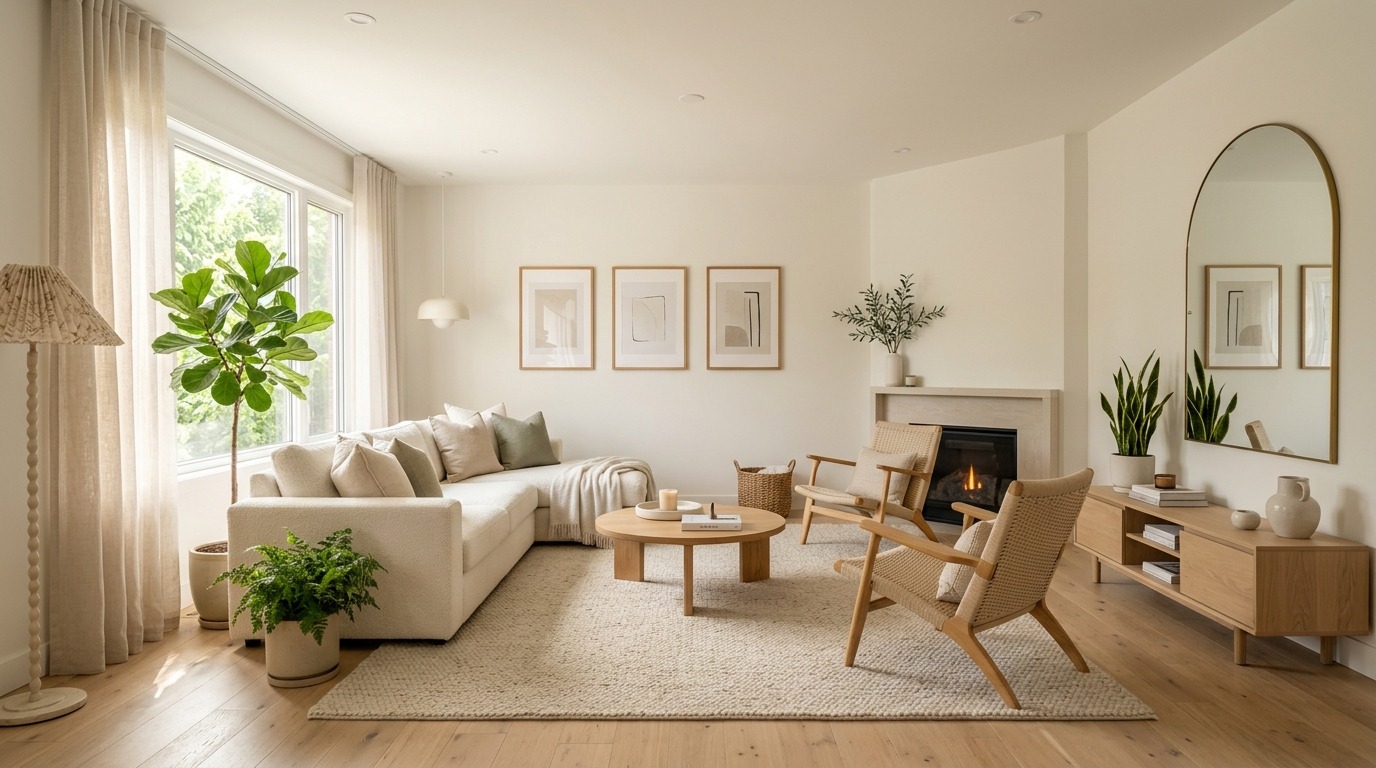
Harmony occurs when all the elements in a room work together to create a unified look. Colors, furniture, textures, lighting, and accessories should complement one another instead of competing for attention.
A harmonious room feels intentional because every piece supports the overall style and atmosphere. Whether your aesthetic is modern, farmhouse, traditional, or eclectic, harmony helps tie everything together.
How to Achieve Harmony
Creating harmony is often easier than people think. The key is consistency.
- Use a color palette that flows throughout the room.
- Select furniture pieces that complement each other in style, scale, or material.
- Layer different textures thoughtfully to add depth without creating visual clutter.
- Maintain a unified design theme that guides your decorating choices.
- Choose decor that reinforces the overall mood and personality of the space.
When harmony is achieved, the room feels polished, welcoming, and effortlessly put together.
The 60-30-10 Rule: The Most Practical Way to Apply the Golden Rule
Understanding balance and harmony is important, but many homeowners wonder how to put these concepts into practice. That’s where the 60-30-10 rule comes in.
What Is the 60-30-10 Color Rule?
The 60-30-10 rule is one of the most widely used design formulas because it creates instant balance within a room. The concept is simple:
- 60% of the room is dedicated to a dominant color.
- 30% is assigned to a secondary color.
- 10% is reserved for an accent color.
This ratio creates a natural visual hierarchy that keeps a room interesting without making it feel overwhelming. Designers rely on this formula because it helps establish harmony while allowing enough contrast to keep the space visually engaging.
The 60% Dominant Color
The dominant color serves as the foundation of the room. It occupies the largest visual area and provides a sense of stability.
You’ll typically see this color used on:
- Walls
- Large area rugs
- Main furniture pieces such as sofas or sectionals
Because it covers most of the room, the dominant color sets the overall mood and creates the backdrop for everything else. It helps anchor the design and gives the space a cohesive appearance.
The 30% Secondary Color
The secondary color adds depth and visual interest while supporting the dominant color.
Common places to introduce a secondary color include:
- Curtains and window treatments
- Accent furniture
- Feature walls
- Upholstered chairs and ottomans
This color prevents the room from feeling flat while maintaining balance. It provides contrast without competing with the dominant color for attention.
The 10% Accent Color
The accent color is where personality shines. Although it makes up the smallest portion of the room, it often has the biggest impact.
Accent colors are commonly used through:
- Throw pillows
- Artwork
- Decorative accessories
- Vases and decorative objects
- Lampshades and small decor pieces
This final 10% creates visual excitement and gives the room character. Because accent colors appear in smaller doses, they can be bolder and more expressive without overwhelming the overall design.
When used together, the 60-30-10 rule transforms abstract design principles into a practical strategy, helping you create rooms that feel balanced, harmonious, and professionally designed.
Understanding Balance and Harmony
Balance and harmony are often mentioned together, but they serve different purposes in home decor.
Balance refers to the visual weight of a room. In simple terms, it means that no single feature, piece of furniture, or area dominates the space. A large sectional sofa, for example, might be balanced by a substantial coffee table, accent chairs, or other furnishings that distribute visual weight evenly throughout the room.
Harmony, on the other hand, is what makes a space feel connected and cohesive. It’s achieved when colors, textures, furniture styles, lighting, and accessories complement one another rather than compete for attention. Harmony creates a sense of flow that makes a room feel thoughtfully designed.
These two principles work hand in hand. Balance prevents a room from feeling lopsided or overwhelming, while harmony ensures all the elements feel like they belong together. When both are present, the result is a space that feels calm, inviting, and effortless.
One of the most common decorating mistakes is allowing a single element to dominate the room. An oversized piece of furniture, too many bold colors, excessive wall decor, or cluttered surfaces can throw off the entire design. The goal is not to make everything identical but to create a sense of visual equilibrium where each piece contributes to the overall look without stealing all the attention.
Why Designers Consider It the Foundation of Great Interiors
Professional designers often start with balance and harmony because these principles influence every other decorating decision. Before choosing artwork, accessories, or accent colors, they focus on creating a strong visual foundation.
Balanced spaces naturally feel more comfortable to spend time in. Furniture arrangements make sense, pathways remain open, and the room feels functional as well as attractive. Instead of feeling crowded or empty, the space feels just right.
Harmony also gives a room a polished appearance. Even when individual pieces come from different stores, time periods, or design styles, a harmonious design makes everything look intentional. The room tells a cohesive story rather than feeling like a collection of unrelated items.
Another reason this principle works so well is visual flow. When colors, furniture, lighting, and decor are balanced and coordinated, your eyes move smoothly from one area to another. Nothing feels jarring or distracting. This flow creates a sense of order that instantly makes a room more appealing.
Ultimately, the most beautiful homes aren’t necessarily the ones filled with the most expensive furniture or the latest trends. They’re the homes where balance and harmony guide every decorating choice, creating spaces that feel welcoming, functional, and timeless.
Applying the Golden Rule Through Lighting
When people think about home decor, they usually focus on furniture, paint colors, rugs, and decorative accessories. Yet lighting is one of the most powerful design tools in any room. Even the most beautifully decorated space can feel cold, uninviting, or unbalanced if the lighting isn’t planned properly.
Just like colors and furniture placement, lighting plays a major role in creating balance and harmony. The right combination of light sources helps highlight important features, improve functionality, and establish the mood of a room. In many ways, lighting is what brings the entire design together.
Why Lighting Is Part of Home Decor
Lighting does much more than help you see. It influences how colors appear, how large a room feels, and how comfortable a space is to spend time in.
Soft, layered lighting can make a room feel warm and welcoming, while harsh lighting can make even a stylish space feel uncomfortable. Lighting also helps guide the eye through a room, emphasizing focal points and creating visual balance.
When lighting is thoughtfully distributed, no single area feels too dark or overly bright. This contributes directly to the sense of harmony that defines great interior design. In other words, lighting isn’t just a practical necessity—it’s an essential part of the overall decor.
The 60-30-10 Lighting Formula
Just as designers use the 60-30-10 rule for color, they often apply a similar approach to lighting. Layering different types of lighting creates depth, improves functionality, and ensures the room feels balanced throughout the day.
60% Ambient Lighting
Ambient lighting serves as the primary source of illumination in a room. It provides the overall brightness needed for everyday activities and creates the foundation for all other lighting layers.
Common sources of ambient lighting include:
- Ceiling fixtures
- Recessed lighting
- Chandeliers
- Flush-mount lights
This layer should account for most of the room’s illumination. It creates an even level of light that makes the space feel open, comfortable, and functional.
30% Task Lighting
Task lighting is designed to support specific activities that require focused illumination.
Examples include:
- Reading lamps beside a chair
- Desk lamps in a home office
- Under-cabinet lighting in a kitchen
- Vanity lighting in bathrooms
This layer adds both function and balance by directing light exactly where it’s needed. Task lighting prevents eye strain and makes everyday activities more comfortable without relying entirely on overhead lighting.
10% Accent Lighting
Accent lighting is the finishing touch that adds character and atmosphere to a room.
Popular accent lighting options include:
- Candles
- LED strip lighting
- Picture lights
- Decorative wall sconces
- Illuminated shelves
Although it represents the smallest percentage of the lighting plan, accent lighting often creates the biggest visual impact. It highlights architectural details, artwork, and decorative features while adding warmth and personality to the space.
When these three layers work together, lighting becomes an active contributor to balance and harmony rather than an afterthought.
Why the Golden Rule Works So Well
The principles of balance and harmony aren’t just design trends—they align with how people naturally experience and interpret their surroundings. That’s one reason why rooms designed around these concepts tend to feel comfortable almost instantly.
Our Brains Naturally Prefer Balance
Humans are naturally drawn to order, symmetry, and visual consistency. When a room feels balanced, our brains process the space more easily because there is a clear sense of organization.
A balanced room doesn’t necessarily have to be perfectly symmetrical, but it should feel visually stable. Furniture placement, color distribution, and lighting all contribute to this sense of equilibrium.
When everything works together, the room feels calm and inviting. On the other hand, spaces that are overcrowded, unevenly arranged, or visually chaotic can feel stressful without us fully understanding why.
Orderly spaces create a sense of predictability and comfort, making them more enjoyable to live in and spend time in every day.
The Emotional Benefits of Balanced Spaces
Following the golden rule of home decor offers benefits that go far beyond appearance.
Reduced Visual Stress
A balanced room eliminates unnecessary visual distractions. Instead of competing colors, overcrowded surfaces, and conflicting design elements, the eye can move naturally throughout the space.
Improved Comfort and Relaxation
Rooms that feel harmonious often feel more restful. Balanced layouts and cohesive design choices create an atmosphere where people can truly unwind and feel at ease.
Increased Creativity and Focus
A well-organized environment helps reduce mental clutter. Whether you’re working, reading, or pursuing hobbies, a balanced space can make it easier to concentrate and think clearly.
A Stronger Feeling of Being “At Home”
Perhaps the greatest benefit of all is the emotional connection a balanced space creates. When every element feels intentional and harmonious, a room becomes more than just a collection of furniture and decor—it becomes a place where you genuinely enjoy spending time.
That’s the true power of the golden rule. By focusing on balance and harmony in both decor and lighting, you create a home that not only looks beautiful but also feels comfortable, welcoming, and uniquely yours.
Common Decorating Mistakes That Break the Golden Rule
Knowing the golden rule of home decor is one thing—applying it successfully is another. Many decorating mistakes happen with good intentions. You find a beautiful piece of furniture, fall in love with a bold paint color, or keep adding accessories because the room still feels unfinished. Before long, the balance and harmony that make a space feel inviting begin to disappear.
The good news is that most decorating mistakes are easy to identify and fix once you know what to look for.
Overcrowding a Room
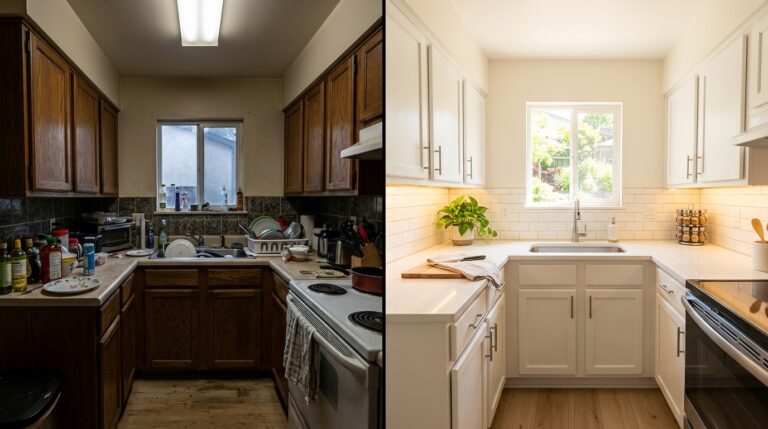
One of the quickest ways to break the golden rule is by filling a room with too much stuff.
Too Much Furniture
Bigger isn’t always better. A room packed with oversized sofas, extra chairs, multiple tables, and unnecessary storage pieces can feel cramped and uncomfortable. Furniture should support how you use the space, not dominate it.
Instead of trying to fill every corner, focus on selecting the pieces you truly need and arranging them in a way that allows people to move comfortably throughout the room.
Too Many Decorative Items
Accessories add personality, but too many can create visual clutter. When every shelf, tabletop, and wall is covered with decor, individual pieces lose their impact.
A few carefully chosen accessories often create a stronger statement than dozens of competing decorative items. Remember, balance requires restraint as much as decoration.
Ignoring Color Balance
Color has a powerful effect on how a room feels. When colors are used without a clear plan, even beautiful furniture and decor can seem disconnected.
Using Too Many Competing Colors
It’s tempting to incorporate every color you love, but too many bold shades fighting for attention can make a room feel chaotic. Without a clear visual hierarchy, the eye doesn’t know where to focus.
A limited palette creates a more relaxing and cohesive environment while still allowing room for personality.
Lack of a Dominant Color
Every room needs a visual anchor. Without a dominant color, the design can feel scattered and unfinished. This is why the 60-30-10 rule works so effectively—it gives the room a clear foundation while still introducing variety and contrast.
Poor Lighting Distribution
Lighting mistakes are surprisingly common because many homeowners treat lighting as a practical necessity rather than a design element.
Relying on a Single Light Source
A single overhead fixture may provide enough brightness, but it rarely creates a welcoming atmosphere. Rooms illuminated by only one source often feel flat and lack depth.
Multiple light sources create a more comfortable environment and help distribute visual attention throughout the space.
Missing Layers of Lighting
Great lighting combines ambient, task, and accent lighting. Without these layers, some areas may feel too dark while others feel overly bright.
Layered lighting helps create balance, adds dimension, and allows the room to function well throughout different times of the day.
Decorating Every Surface
Many people assume an empty surface is a missed opportunity. In reality, empty space is one of the most valuable design tools available.
Why Empty Space Is Important
Negative space allows the eye to rest. It helps highlight furniture, artwork, and decorative accents by preventing visual overload.
Without empty space, even beautiful rooms can feel crowded and overwhelming.
The Value of Visual Breathing Room
Just as a conversation needs pauses, a room needs breathing room. Open surfaces, clear pathways, and uncluttered walls create a sense of calm that supports balance and harmony.
Sometimes the best decorating decision is choosing what not to add.
Quick Checklist for Following the Golden Rule of Home Decor
Before you consider a room finished, use this simple checklist to ensure you’re staying true to the golden rule:
✔ Maintain balance between large and small furniture pieces.
✔ Create harmony with a cohesive color palette.
✔ Follow the 60-30-10 color rule to establish visual balance.
✔ Layer lighting using ambient, task, and accent lighting.
✔ Avoid overcrowding with unnecessary furniture or decor.
✔ Leave breathing room between furnishings and decorative elements.
✔ Choose accessories that support the overall design rather than compete with it.
✔ Focus on quality and intention instead of quantity.
If you can check off most of these items, you’re already well on your way to creating a more balanced and harmonious home.
Final Thoughts
So, what is the golden rule for home decor?
It all comes back to balance and harmony.
While trends come and go, these two principles remain the foundation of great interior design. They help create rooms that feel comfortable, cohesive, and visually appealing regardless of your personal style or budget.
The most beautiful homes aren’t necessarily the ones filled with the most furniture, the latest trends, or the most expensive decor. Instead, they’re the homes where every piece has a purpose and every design choice contributes to a larger sense of balance.
As you decorate your own space, focus on thoughtful furniture placement, cohesive colors, layered lighting, and intentional accessories. Give your rooms room to breathe, and don’t be afraid to simplify when something feels off.
When balance and harmony are present, a space naturally feels welcoming. And when a room feels welcoming, it starts to feel like home.
Frequently Asked Questions
Is balance more important than style in home decor?
Style gives a room its personality, but balance is what makes that style work. Whether your home is modern, traditional, farmhouse, or eclectic, balance helps ensure the space feels comfortable and visually pleasing. Without balance, even the most beautiful style can feel overwhelming or disorganized.
What is the 60-30-10 rule in interior design?
The 60-30-10 rule is a decorating guideline that divides a room’s color scheme into three proportions: 60% dominant color, 30% secondary color, and 10% accent color. This formula helps create visual harmony while adding enough contrast to keep the space interesting.
How can I make my home look more balanced?
Start by distributing visual weight evenly throughout each room. Mix large and small furniture pieces, avoid overcrowding, maintain a cohesive color palette, and use layered lighting. Creating open space between furnishings can also make a room feel more balanced.
Can small rooms follow the golden rule of home decor?
Absolutely. In fact, balance and harmony are especially important in smaller spaces. Choosing appropriately sized furniture, limiting clutter, and using a cohesive color scheme can make a small room feel larger, more organized, and more inviting.
Does the golden rule work with every decorating style?
Yes. Balance and harmony are universal design principles that apply to every style, from minimalist and contemporary to rustic and traditional. While the specific colors, furniture, and decor may differ, the underlying goal remains the same: creating a space where everything works together beautifully.