16 Master Bedroom Decor Ideas for a Modern Elegant Look
Have you ever walked into your master bedroom at the end of a long, exhausting day and felt absolutely nothing? No warmth. No joy. Just four walls and a bed you can’t wait to escape from in the morning. If that sounds familiar, you’re not alone — and the good news is, it doesn’t have to stay that way.
Your master bedroom is the one room in your entire home that belongs completely to you. It’s your sanctuary, your reset button, your personal retreat from the noise of the world. So it deserves to feel exactly like that — not like a furniture showroom, not like a hotel room, but like you. Like the best, most relaxed version of you.
In this guide, we’re diving into 16 genuinely beautiful, deeply practical master bedroom decor ideas that go way beyond “throw some throw pillows on the bed.” We’re talking about real design moves that change how the whole room feels — the kind you’ll actually want to try this weekend.
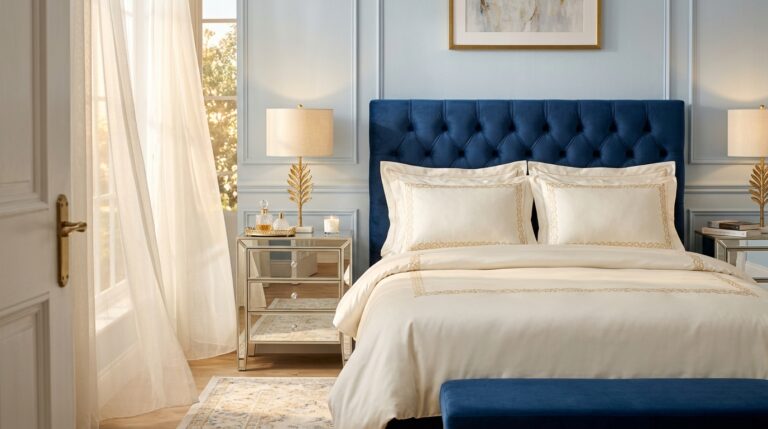
Build a Layered Bedding Look That Feels Luxurious
Nothing in a master bedroom makes a bigger visual impact faster than the bed itself. And the secret to a bed that looks like it belongs in an upscale boutique hotel? Layers.
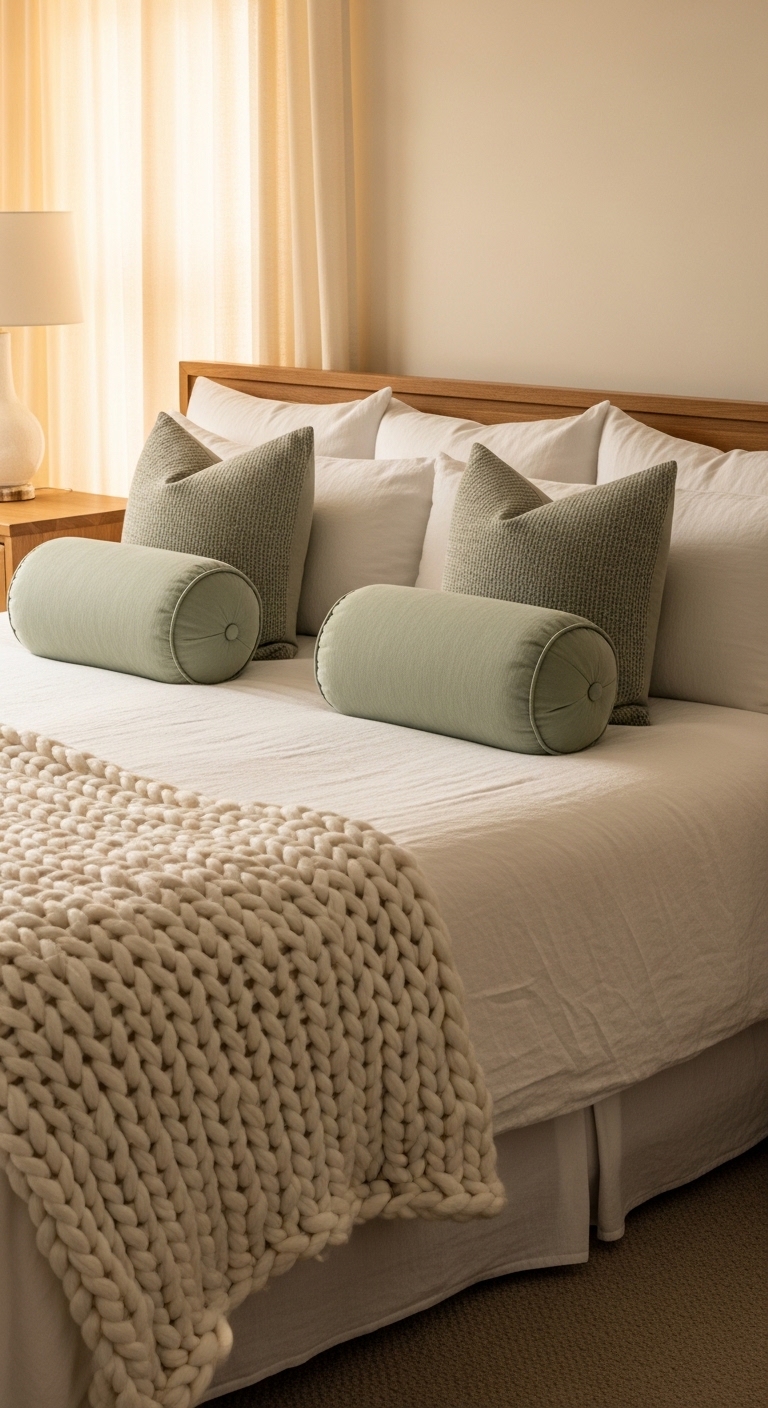
Start with a high-quality fitted sheet in white or ivory — this is your base, and it needs to feel good against your skin because you live in it. Next, add a duvet or comforter in a complementary neutral. Then layer a lightweight quilt or woven blanket folded at the foot. Now here’s where most people stop, but you should keep going:
- Add two large Euro shams behind your standard sleeping pillows for that full, plush headboard effect
- Toss on a single lumbar pillow in an accent color or texture — this small detail ties the whole bed together
- Fold a chunky knit or waffle-weave throw at the corner for that effortlessly lived-in feel
The goal isn’t perfection. It’s richness. A layered bed tells your brain “this place is comfortable,” and that’s exactly the signal your master bedroom should send every single time you walk in.
Create a Cozy Reading Nook in the Corner
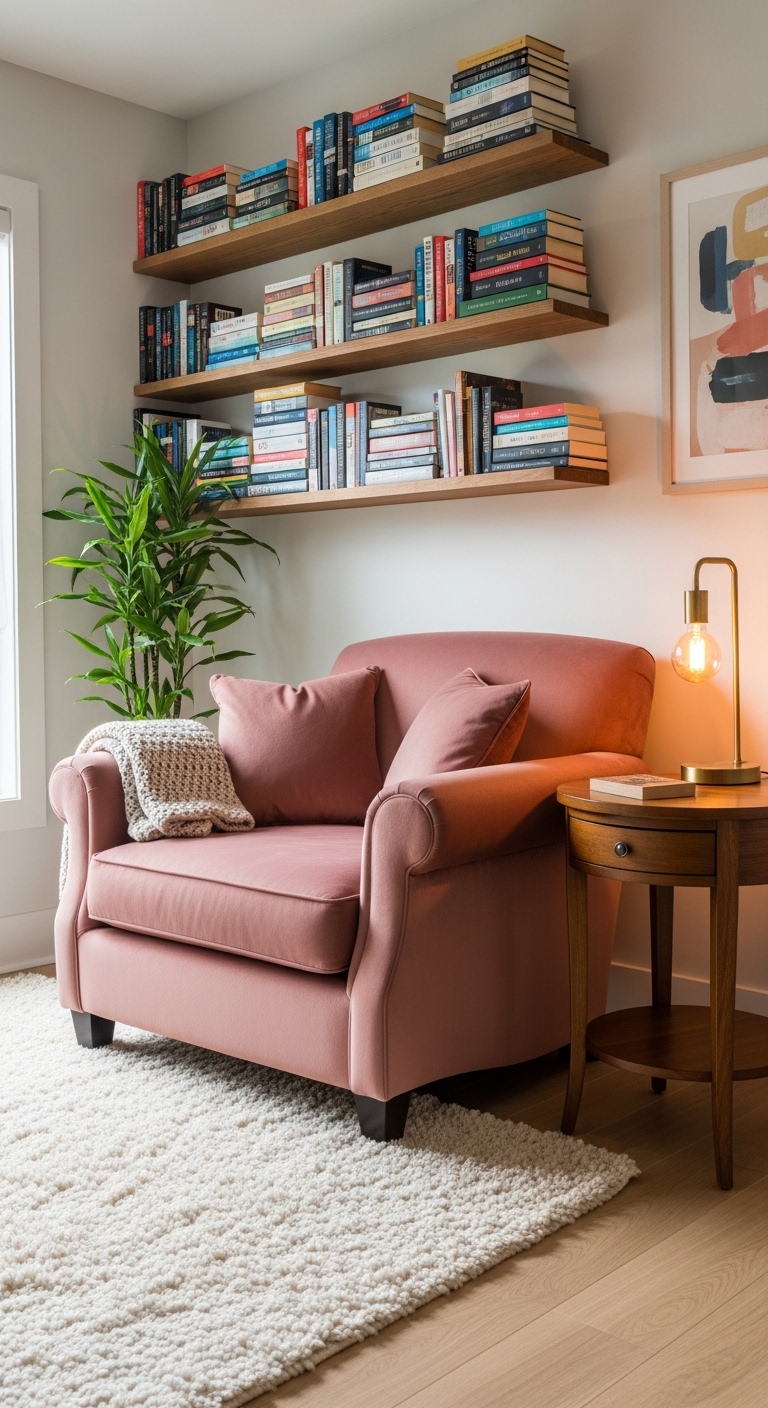
Here’s a secret that interior designers know but rarely share: a master bedroom with a dedicated sitting area instantly feels twice as luxurious — even in a modest-sized room.
You don’t need a massive space for this. A single oversized armchair, a small side table, and a good reading lamp tucked into a corner transforms that dead space into the most inviting spot in your home. Choose a chair in a plush fabric — velvet, boucle, or a soft linen blend all work beautifully.
What makes this idea so powerful is the intention behind it. You’re telling your bedroom, “You’re not just a place to sleep. You’re a place I actually want to spend time.” And that shift in energy comes through in every corner of the room.
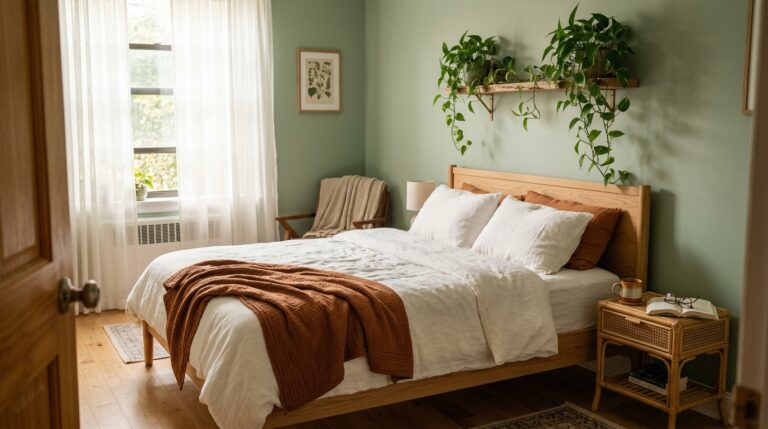
Add a small floating shelf above the chair for books, a candle, and maybe a small plant. Put a soft rug underneath to define the nook as its own little zone. This corner becomes your favorite five square feet in the house.
Go Bold With a Statement Headboard
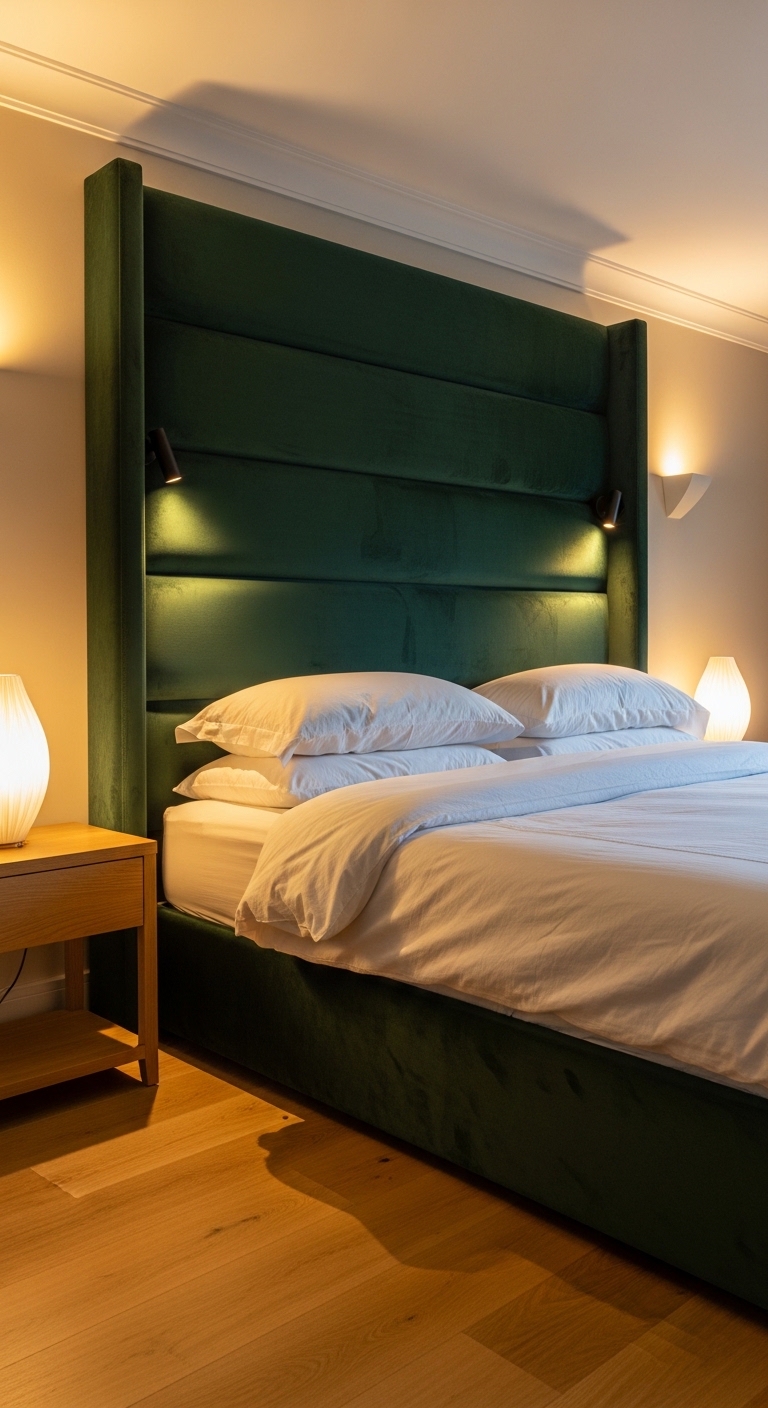
If your headboard is doing nothing but holding your pillows up, you’re missing a massive design opportunity. The headboard is the single most powerful visual anchor in your master bedroom, and treating it like an afterthought is like buying a beautiful painting and hanging it behind a door.
Go tall. Go bold. Go upholstered.
A floor-to-ceiling upholstered headboard in a rich color — deep navy, forest green, warm terracotta, or even a dusty mauve — completely transforms the energy of a room. Suddenly everything around it looks intentional.
Some options worth considering:
- A curved arch headboard for a romantic, Old World feel
- A tufted velvet panel that extends 12 to 18 inches above the mattress for classic drama
- A natural rattan or cane headboard for a relaxed, organic look
- A wood plank headboard with integrated shelf lighting for a contemporary edge
The headboard sets the entire design tone of your room. Give it the attention it deserves, and the rest of the room will follow.
Use a Neutral Color Palette With Warm Undertones
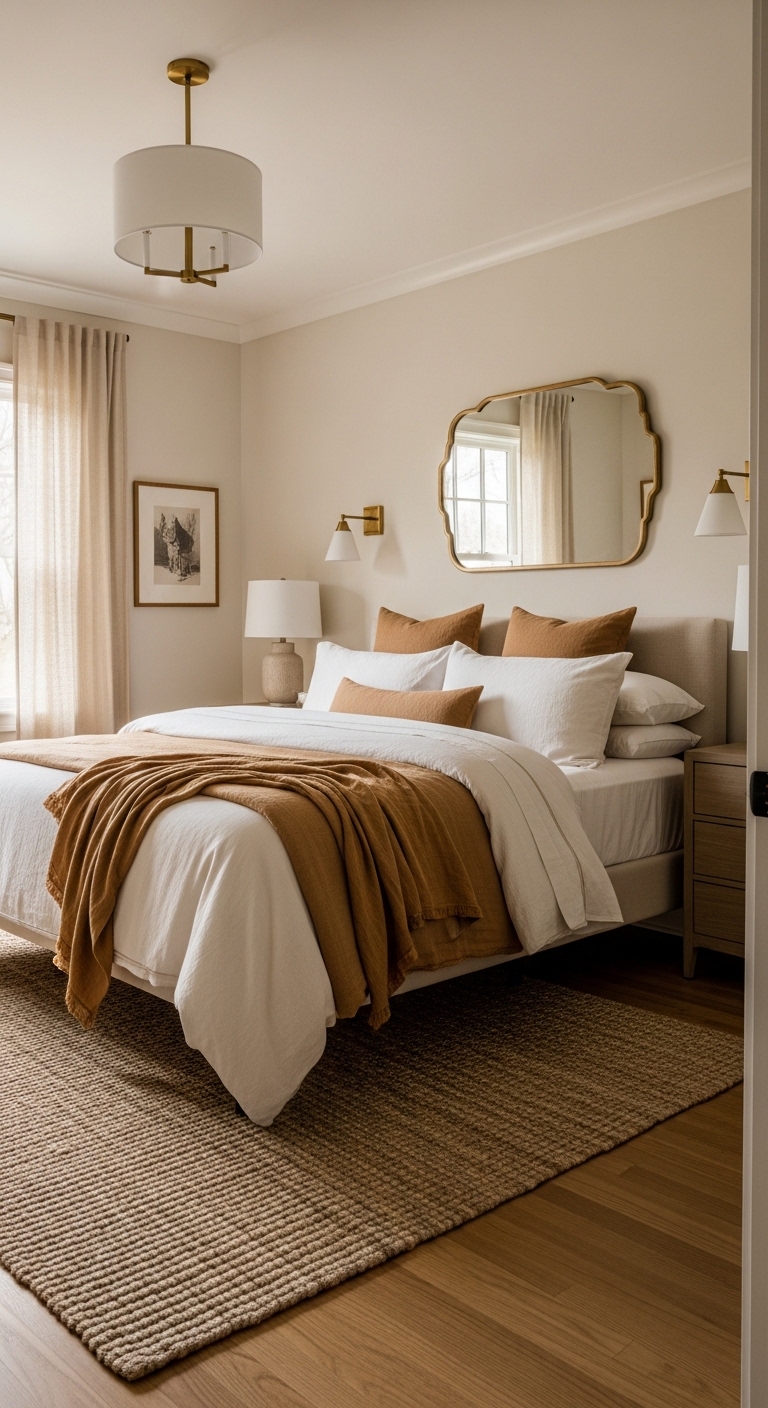
Neutral doesn’t have to mean boring. In fact, a well-executed neutral palette is one of the most timeless, most relaxing things you can do for a master bedroom.
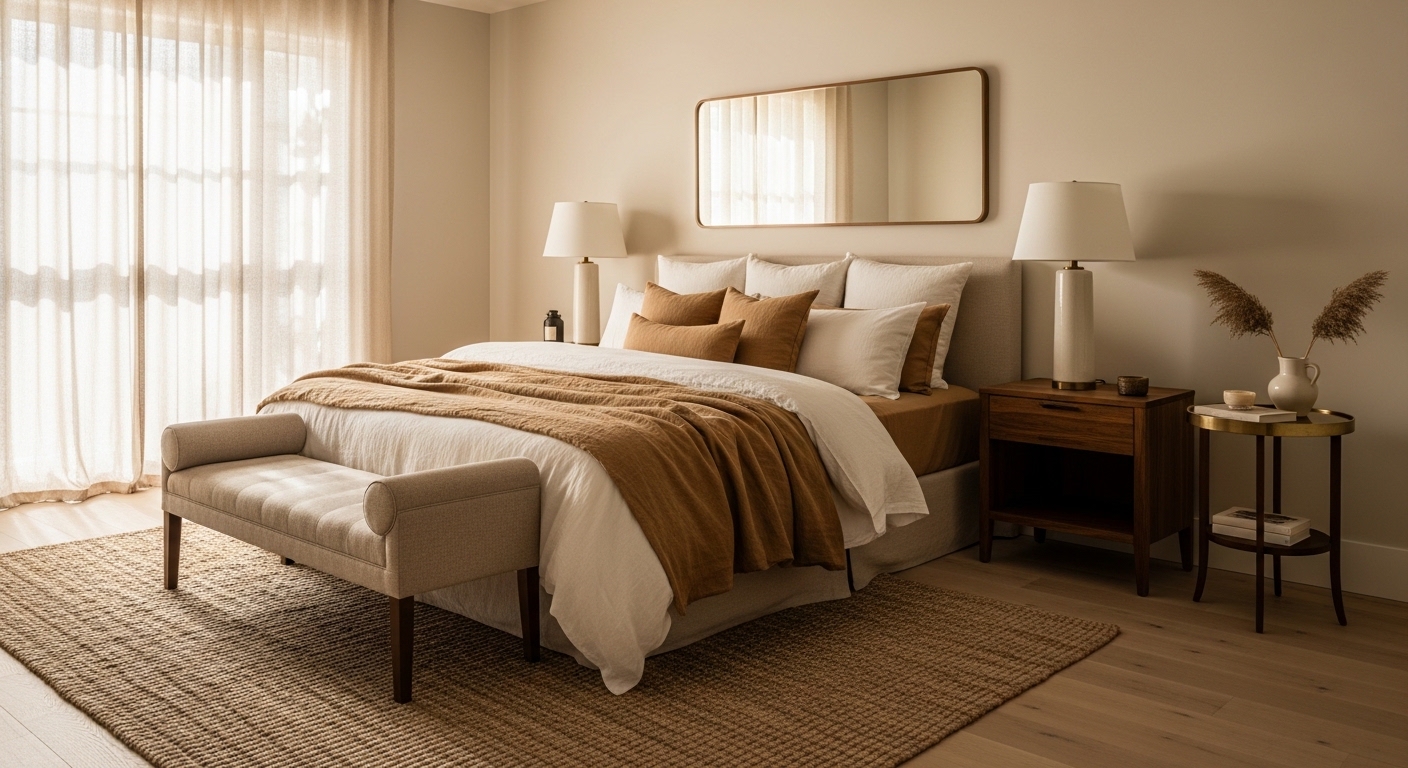
The key is warmth. Cold grays and stark whites feel clinical. But warm creams, greiges (gray-beige blends), oatmeal, linen, and soft camel? Those tones wrap around you like a cashmere sweater. They make a room feel safe.
Work your neutral palette in layers:
- Walls in a warm white or greige
- Bedding in creamy linen or ivory cotton
- A jute, wool, or sisal rug to add organic texture underfoot
- Warm brass or matte gold hardware on lamps, mirrors, and furniture pulls
- Layered textures like rattan, weathered wood, and woven fabric to keep things visually interesting without introducing color
The result feels expensive without being loud. Calm without being cold. That’s exactly the energy a master bedroom should carry.
Install Ambient Lighting at Multiple Levels
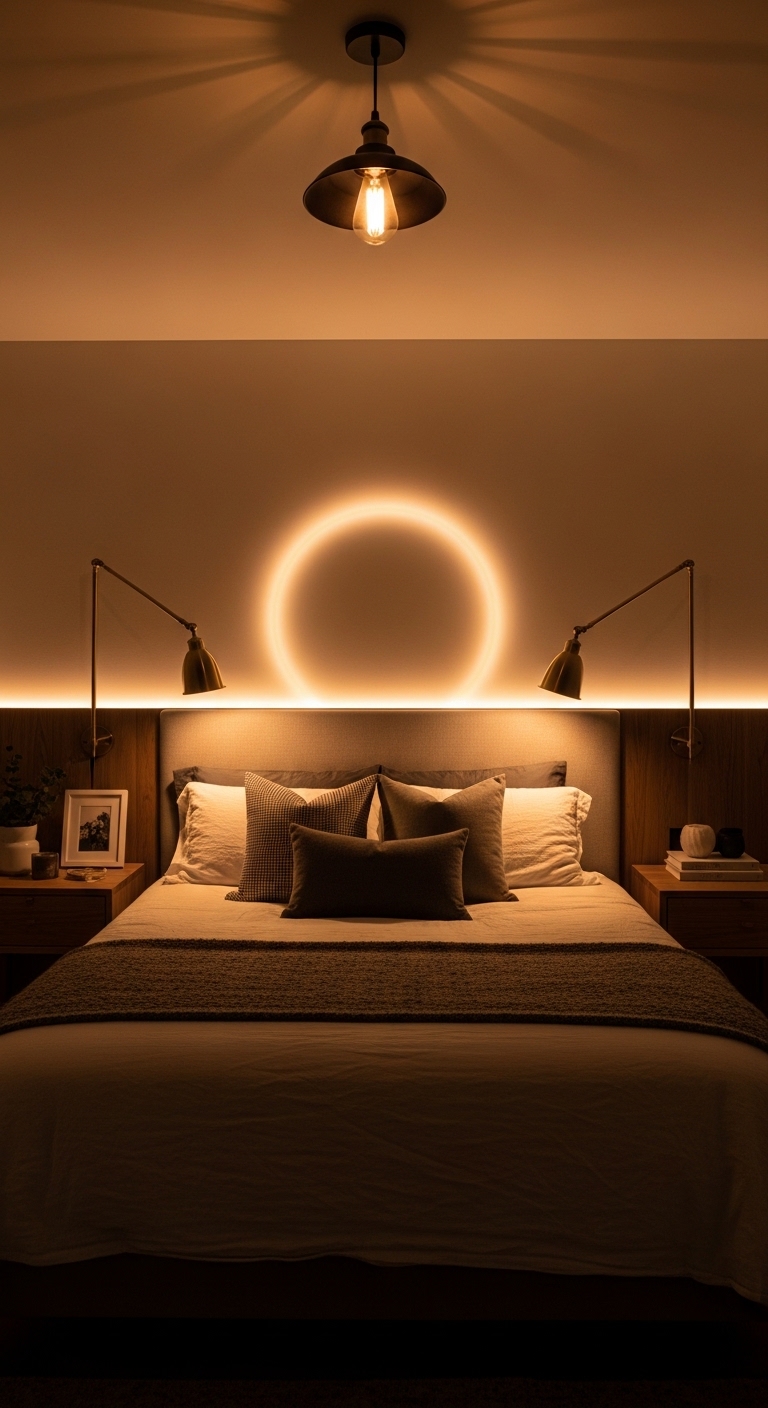
Here’s something every interior designer will tell you: bad lighting ruins good design. And most master bedrooms are guilty of the worst lighting crime of all — a single overhead fixture doing all the work.
Great bedroom lighting operates at three distinct levels:
- Ambient — your overhead or ceiling light, which sets the overall brightness
- Task — your bedside reading lights, ideally on a swing arm so you can direct them
- Accent — soft lighting that highlights architectural features or creates mood
That third layer is where the magic happens. A warm LED strip tucked behind your headboard or under your bed frame creates a gentle halo of light that makes the whole room feel spa-like. A table lamp on a dresser casting a warm pool of light in a corner adds depth. A dimmer switch on every single light source in the room changes everything — you can go from bright and functional to romantic and moody in seconds.
Don’t sleep on lighting. It’s the fastest, most affordable way to completely transform how your bedroom feels at night.
Add Natural Wood Elements for Warmth
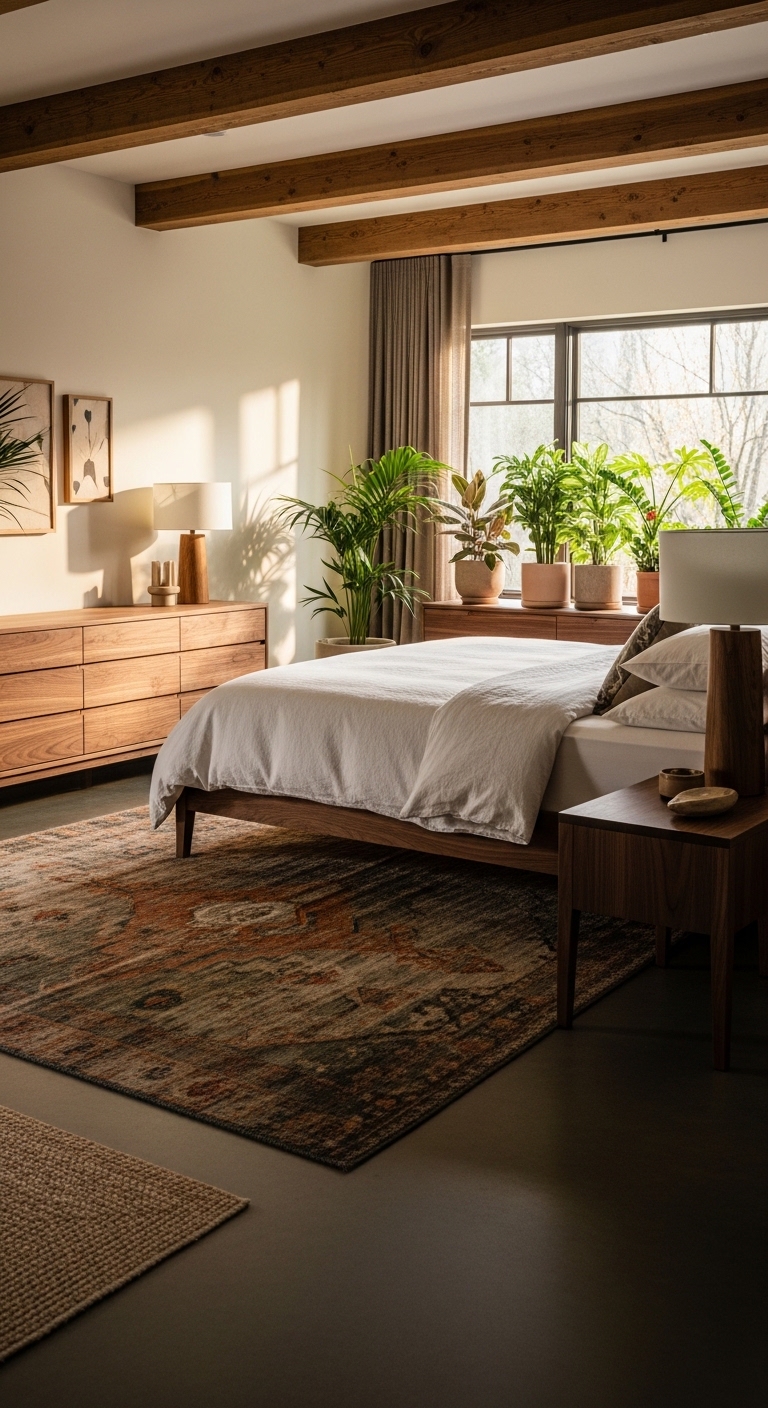
There’s a reason you feel instantly calmer in a space that features natural wood. Science actually backs this up — exposure to wood tones and organic textures measurably reduces cortisol levels. Your bedroom should absolutely take advantage of this.
You don’t have to overhaul every piece of furniture. Even introducing a few natural wood elements shifts the entire feel of the room:
- Swap out painted nightstands for live-edge wood or solid walnut alternatives
- Add a wooden dresser or armoire in a warm stain
- Bring in a wooden tray on the dresser for your accessories and candles
- Consider a wood accent wall behind the bed as an alternative to wallpaper
The key is to let the wood breathe — pair it with white, cream, or soft greens to bring out its warmth. Dark walls plus dark wood gets muddy. Light backgrounds plus warm wood equals effortless sophistication.
Introduce Textured Wallpaper on an Accent Wall
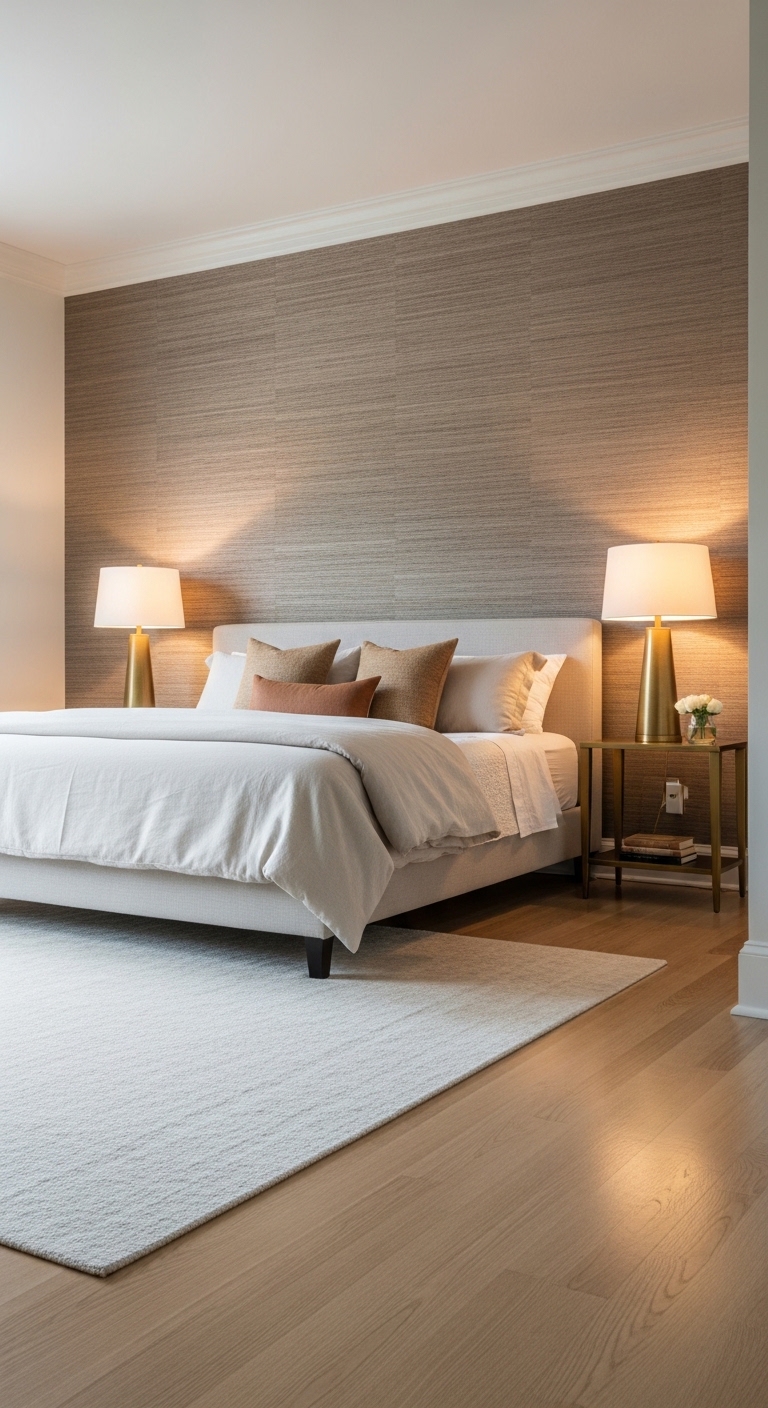
Textured wallpaper is one of those design choices that looks like it cost a fortune but is surprisingly achievable — and the transformation is jaw-dropping.
The trick is to limit it to one wall, almost always the one your bed sits against. This creates a visual focal point that frames the bed like a piece of art. Grasscloth, linen-texture, or subtle geometric embossed wallpapers all work beautifully in master bedrooms.
Why textured over printed? Because texture adds dimension without demanding attention. It catches light differently throughout the day — a subtle shimmer in the morning sun, a soft warmth in lamplight at night. It makes the room feel expensive in a way that’s hard to explain but impossible to ignore.
If you’re nervous about commitment, try a peel-and-stick option first. Many now have genuinely impressive realistic textures and give you the chance to fall in love with the look before committing to paste.
Bring in Indoor Plants for Life and Color
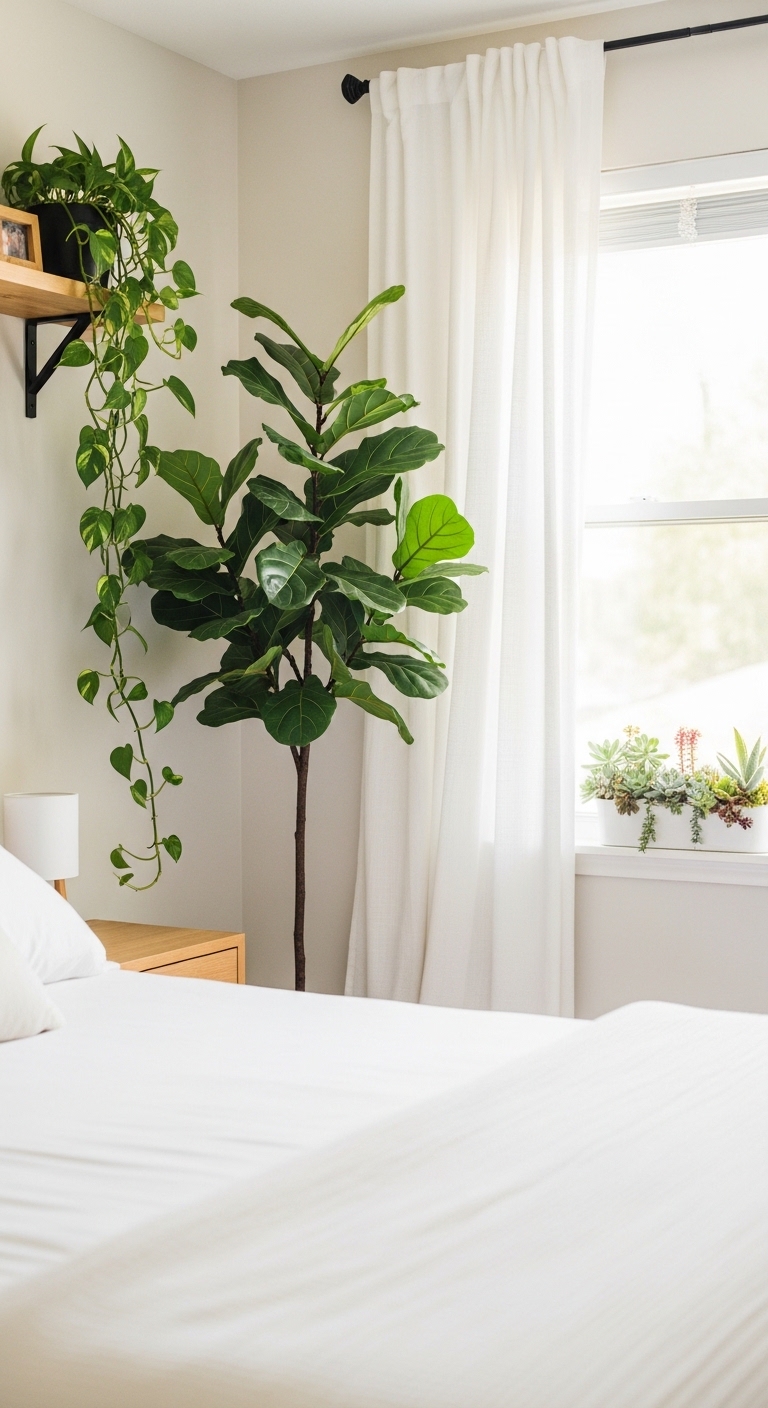
There’s a particular kind of life that plants bring to a room that no piece of furniture, no rug, no paint color can replicate. They breathe. They grow. They make a space feel genuinely inhabited and cared for.
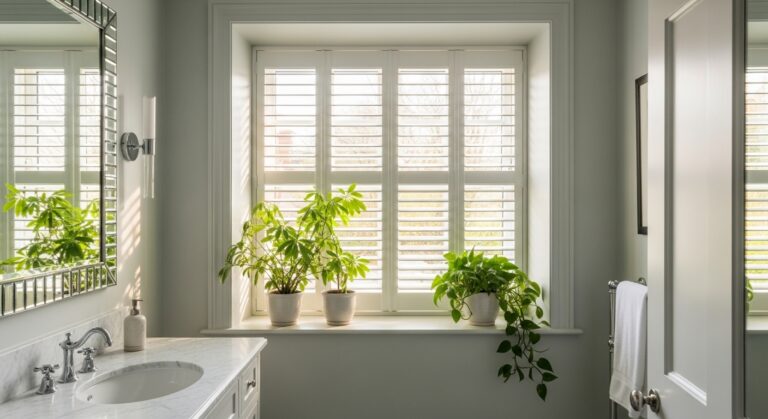
In a master bedroom, plants serve double duty — they improve air quality and they look beautiful. Some of the best options for a bedroom environment:
- Fiddle leaf fig in the corner for dramatic height
- Pothos or devil’s ivy trailing from a shelf for effortless texture
- Peace lily for its air-purifying properties and elegant white blooms
- Snake plant for its architectural lines and near-indestructible nature
- ZZ plant for low-light corners that need some life
Don’t place too many — two or three well-placed plants always look more intentional than a crowded collection. Give them beautiful pots in terracotta, matte white, or woven seagrass to tie them into the room’s palette.
Choose a Platform Bed for a Modern, Grounded Look
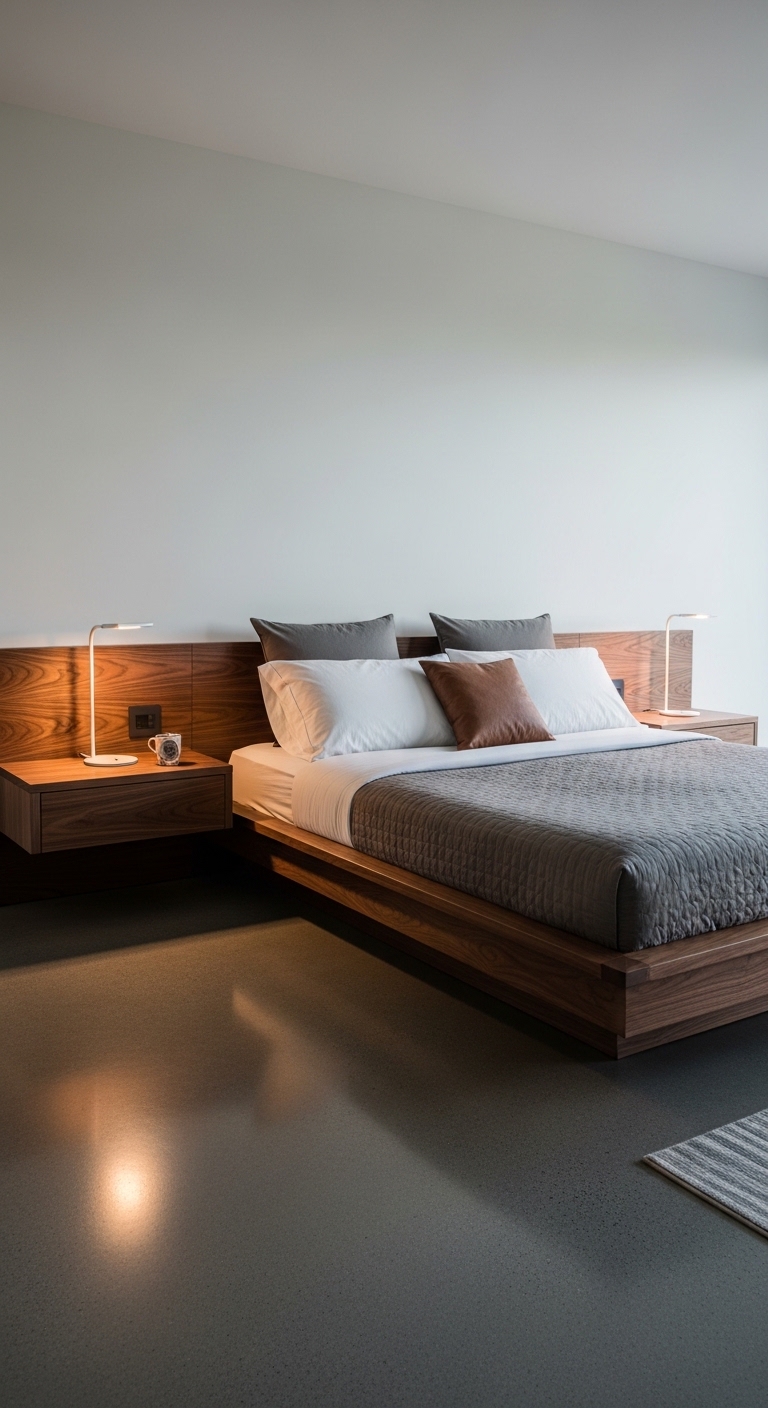
Platform beds do something visually fascinating in a room: they lower the visual center of gravity. The whole room feels more grounded, more intentional, and — especially in rooms with high ceilings — more human and intimate.
A low platform bed pairs beautifully with:
- Floating nightstands mounted directly to the wall (no legs, keeping the visual line clean)
- A simple, streamlined headboard or even just a large piece of art hung above
- Minimal bedding in clean, unfussy colors
- Hard floors — concrete, dark wood, or large-format tile all complement the horizontal lines of a platform bed beautifully
This idea works best in a contemporary or modern-organic aesthetic. If your style leans more traditional or maximalist, you might prefer a bed with more height and presence. But if you love clean lines and a quiet room, the platform bed is your best friend.
Use Mirrors Strategically to Expand the Space
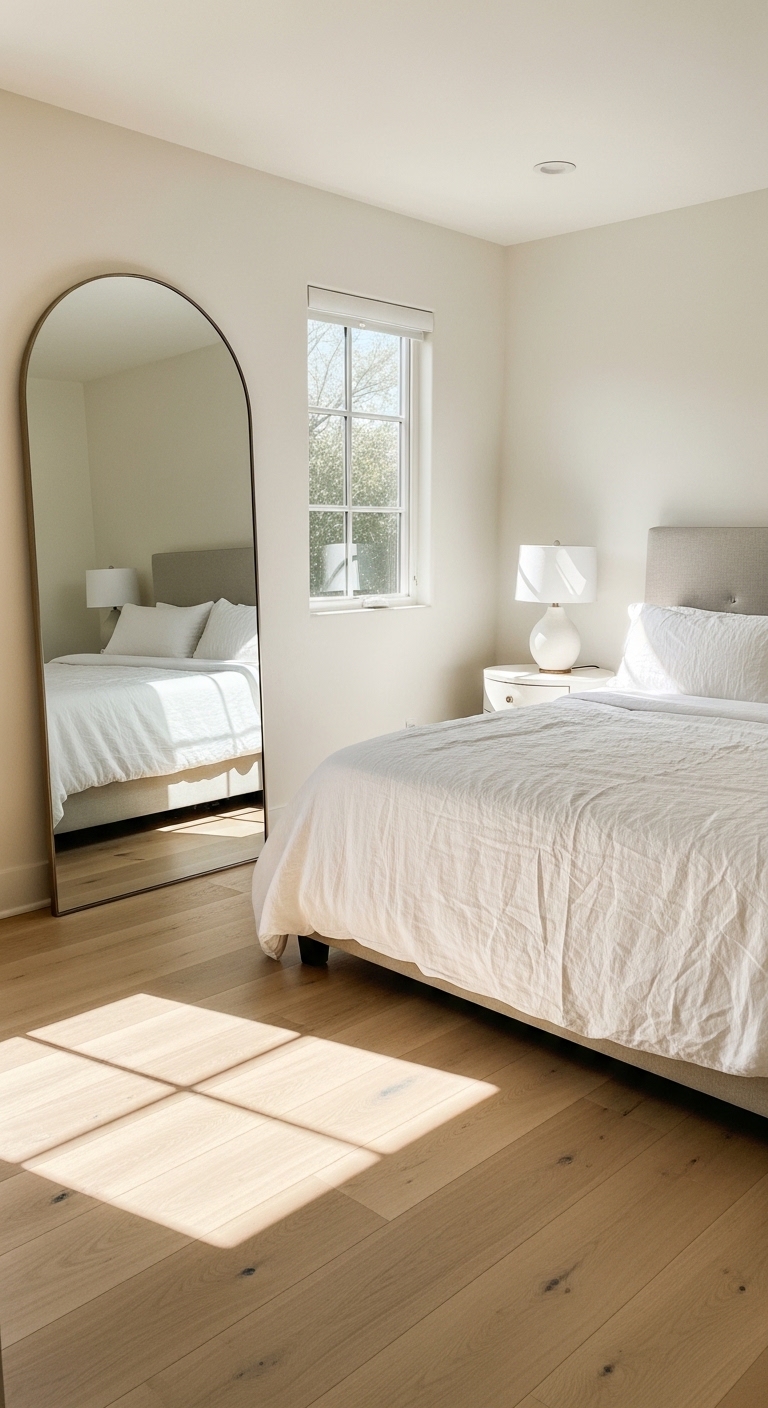
A well-placed mirror in a master bedroom does two things simultaneously: it expands the perceived size of the room and it bounces light into spaces that might otherwise feel dim. This is particularly transformative in smaller master bedrooms where you want to create a sense of openness.
The golden rule? Place your mirror where it will reflect something beautiful — a window, a plant, your lovely layered bed. Never position a mirror where it reflects clutter, a blank wall, or the foot of the bed (this is also considered poor feng shui for those who care about that).
Options that work particularly well in master bedrooms:
- A large arched leaning mirror beside the window
- A full-length built-in mirror inside a wardrobe or closet door
- A circular decorative mirror above the dresser in place of traditional art
- A pair of smaller mirrors flanking the headboard as a symmetrical design feature
Create a Monochromatic Color Scheme for Sophistication
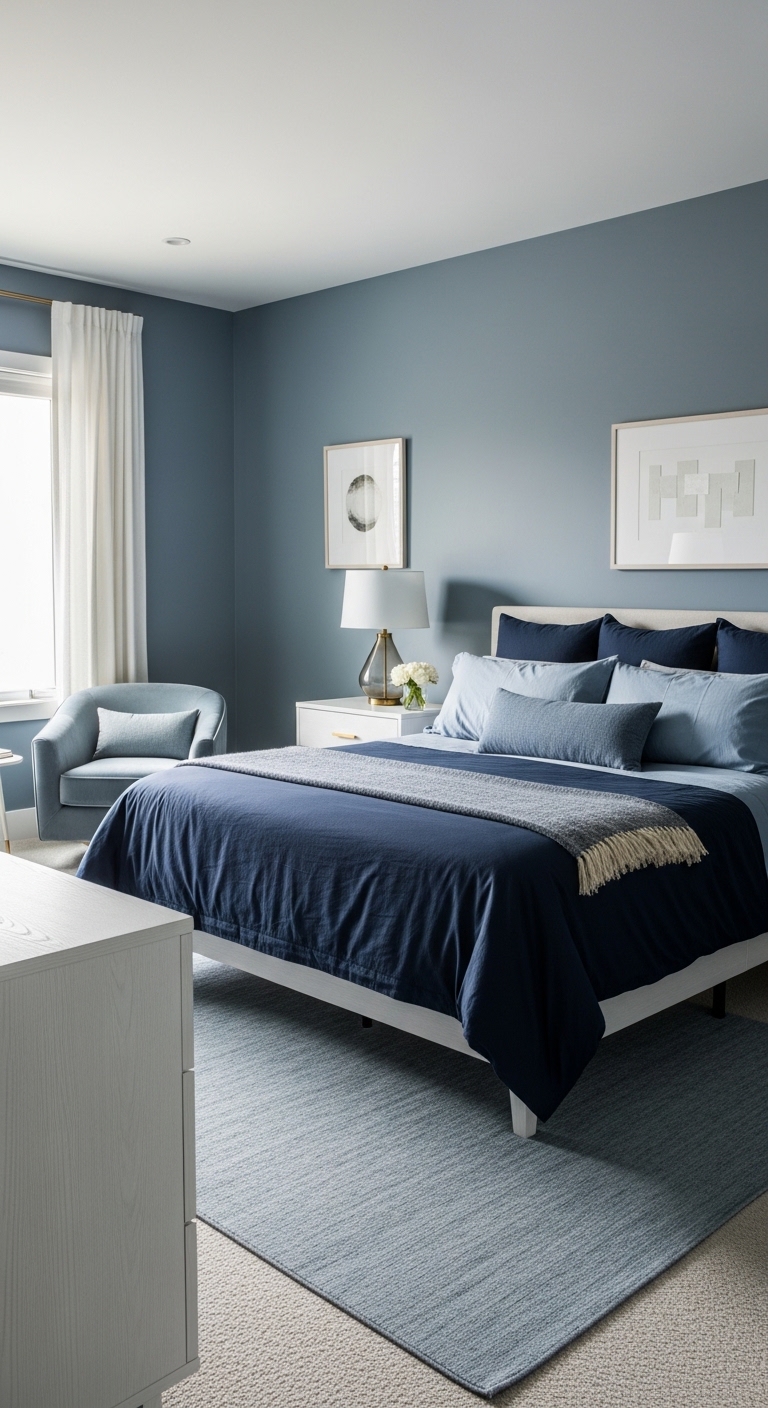
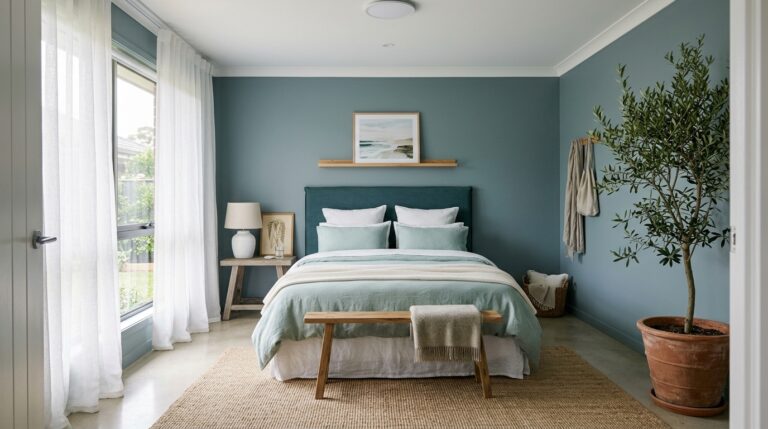
Monochromatic doesn’t mean everything is the exact same color. It means you’re working within the same color family — varying the shade, saturation, and texture across the room. And when done well, it’s one of the most sophisticated things you can do in a master bedroom.
Pick your anchor color first. Dusty blue, warm terracotta, soft sage green, and deep mocha all work beautifully as a bedroom monochromatic palette. Then layer it:
- Deepest shade on the walls or headboard
- Mid-tone in your bedding
- Lightest shade in your curtains or ceiling
- Texture variation across pillows, throws, and rugs to prevent flatness
This approach creates a room that feels curated, intentional, and deeply restful. Your eye doesn’t bounce from color to color — it rests, relaxes, and settles in
Add a Canopy or Bed Curtains for Drama and Coziness
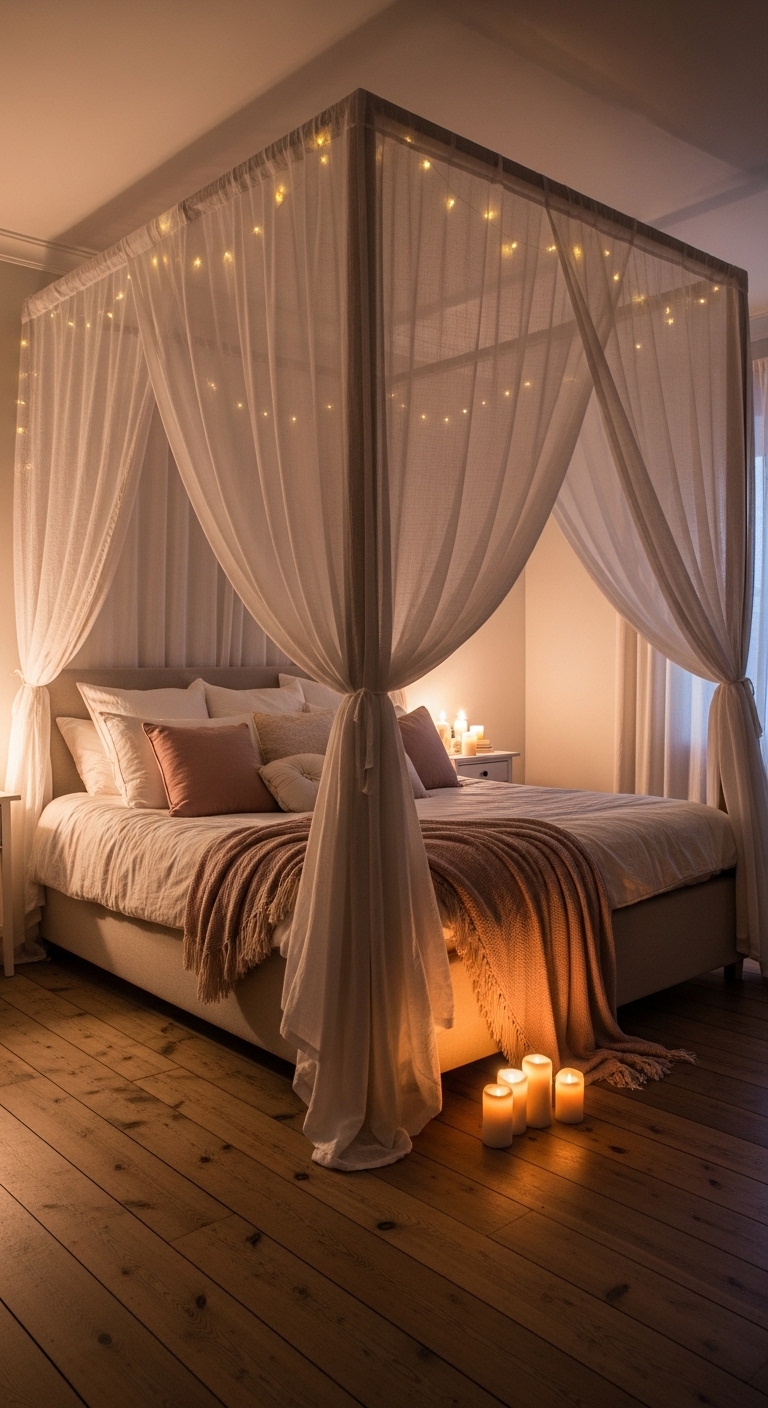
Few things in interior design are as instantly romantic and dramatic as a canopy bed — and you don’t need to buy a four-poster frame to achieve the look. You can create the effect with ceiling hooks and sheer fabric panels for a fraction of the cost.
The canopy does something psychologically profound: it creates a room within a room. It draws a cozy, intimate boundary around your sleeping space that makes it feel separate from the rest of the bedroom. It’s the adult equivalent of building a fort as a kid — and it works just as magically.
For a modern take, use clean white sheers and let them hang loosely. For a more romantic feel, layer multiple panels and let them pool slightly on the floor. Add warm fairy lights along the canopy frame for the most enchanting nighttime atmosphere you’ve ever experienced in your own home.
Use Dark Walls for a Moody, Intimate Feel
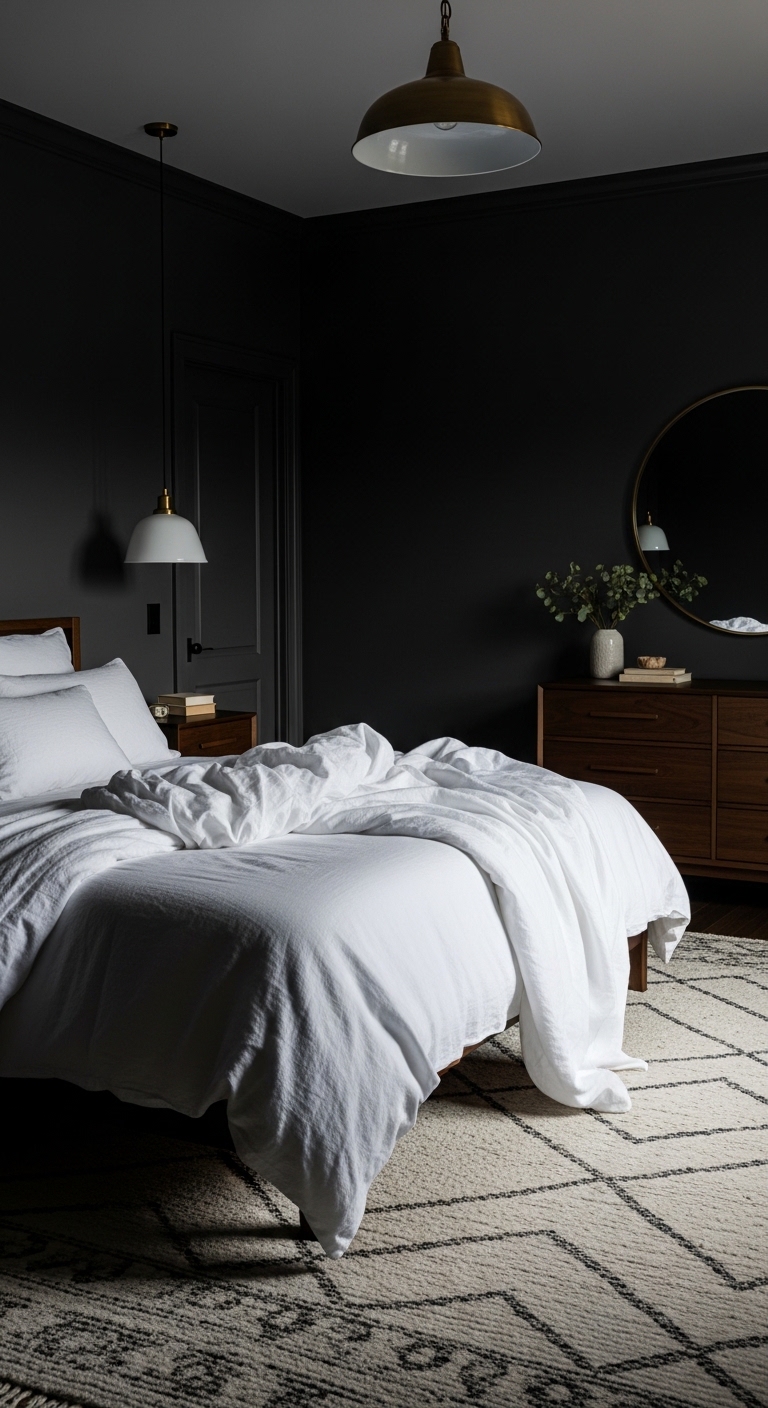
Dark walls in a bedroom? Yes. Absolutely yes. This is one of those decor moves that sounds counterintuitive until you experience it, and then you wonder why you didn’t do it sooner.
Dark walls — deep charcoal, moody navy, rich forest green, inky black — make a master bedroom feel intimate, cocoon-like, and deeply restful. They absorb light in a way that eases your nervous system. They make white bedding look like a cloud. They make warm brass hardware glow.
The keys to making dark walls work without making the room feel cave-like:
- Keep bedding light — white, cream, or very pale gray
- Use warm-toned lighting, not cool fluorescents
- Bring in reflective surfaces like mirrors and metallic accents
- Choose furniture in warm wood tones rather than more dark painted pieces
- Keep curtains light enough to let natural daylight in during the day
Style Your Nightstands Like a Design Feature

Your nightstands are tiny stages, and what you put on them matters more than you might think. A cluttered, afterthought nightstand pulls down the entire energy of the room. A beautifully styled one elevates everything around it.
The formula for a perfect nightstand:
- One light source — a lamp with a warm bulb, ideally with a fabric shade
- One functional item — your book, your glasses, your water carafe
- One organic element — a small plant, dried flowers, or a single fresh stem
- One personal or decorative item — a candle, a small sculpture, a meaningful trinket dish
That’s it. Four items. The restraint is the point. When you limit what’s on the surface, each item gets to breathe, and the whole arrangement looks intentional rather than piled on.
Match your nightstands to each other but not necessarily to the bed frame. A wood bed frame with marble-top nightstands, for example, looks far more interesting than a perfectly matched bedroom set.
Layer Rugs for Texture and Dimension
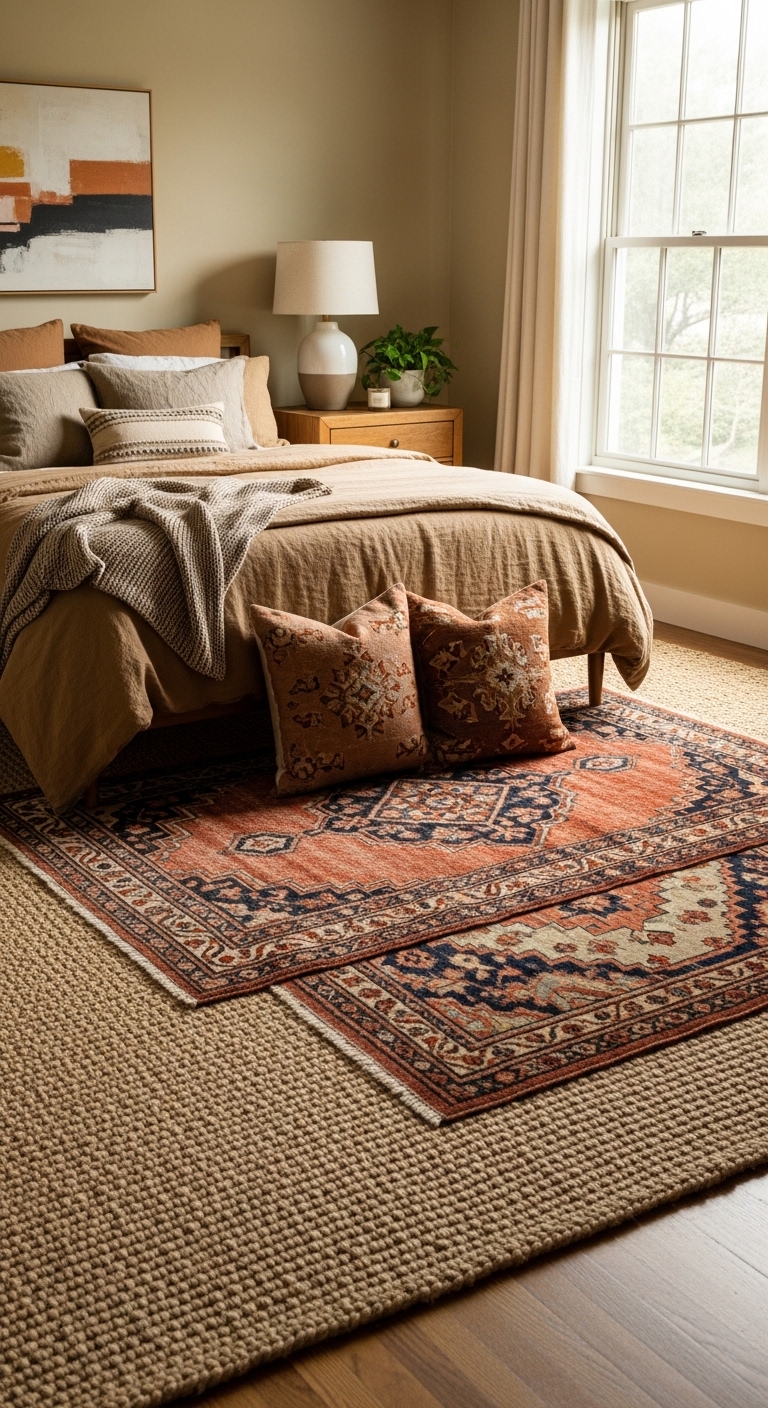
Layering rugs is one of those design tricks that looks like it takes enormous skill but is actually very forgiving — almost impossible to get wrong if you follow a few basic principles.
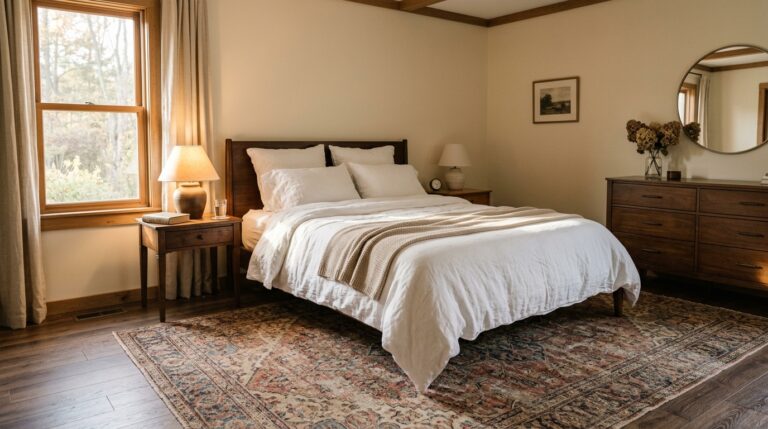
Start with a large, neutral base rug — jute, sisal, or a simple wool flatweave work perfectly. This anchors the room and gives you something to layer on top of. Then add a smaller, more interesting rug on top — a vintage Persian, a bold geometric, or a plush sheepskin placed in front of the bed.
The layered rug look adds:
- Warmth underfoot, especially on hard floors
- Visual depth and texture to the lower half of the room
- A collected, well-traveled feel that no single rug can achieve on its own
- A practical way to introduce pattern without committing to it on the walls
Make sure your base rug is large enough to extend at least 18 inches on each side of the bed. The top rug can be smaller and sit mostly in front of the bed where you step out in the morning.
Incorporate Personal Art and Meaningful Objects
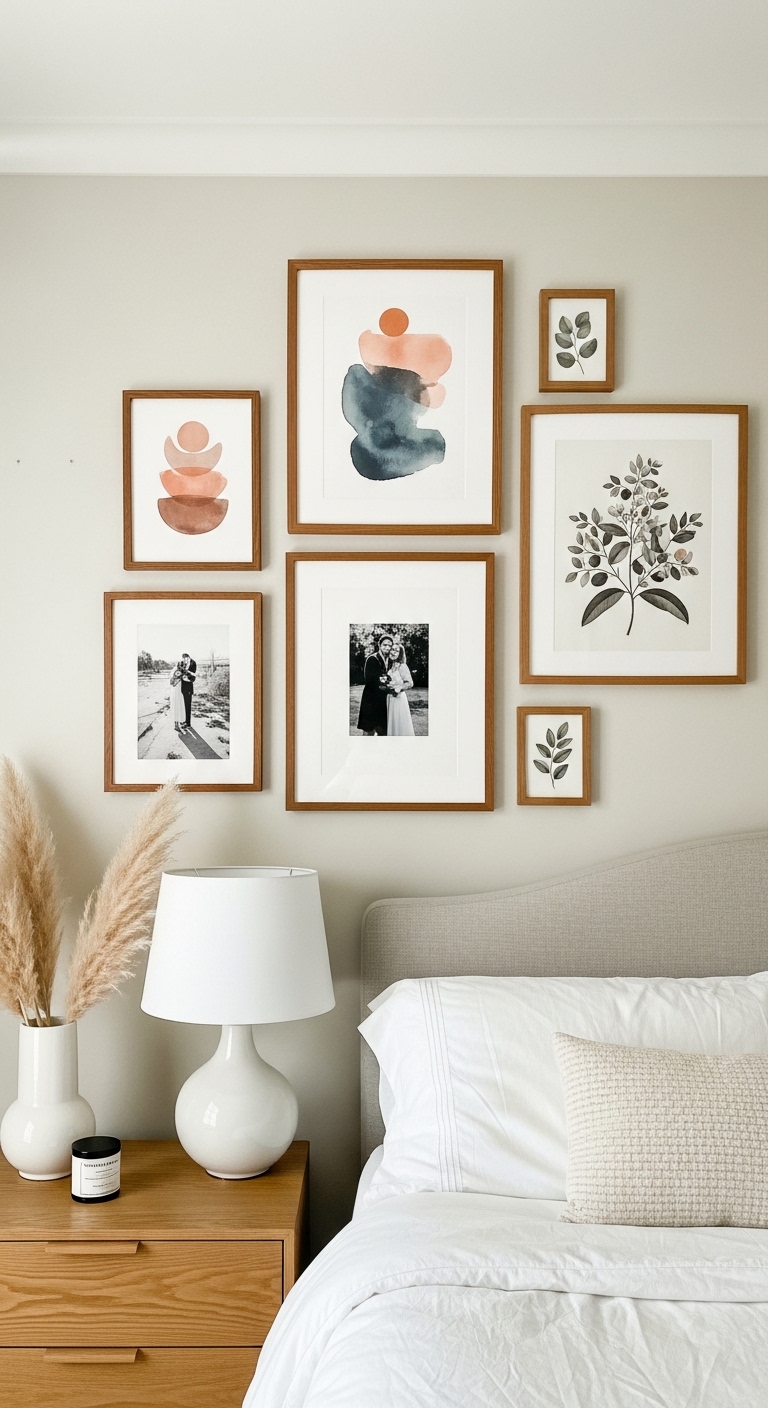
Here’s the one thing that no interior designer, no showroom, no Pinterest board can do for you: make your room feel like yours. That comes entirely from the personal objects and art you choose to surround yourself with.
The most beautiful master bedrooms aren’t the ones that look like they came from a catalog. They’re the ones where you can feel the person who lives there — through the art they chose, the books stacked beside the bed, the photograph framed on the dresser.
Some ideas for bringing your personality into your master bedroom:
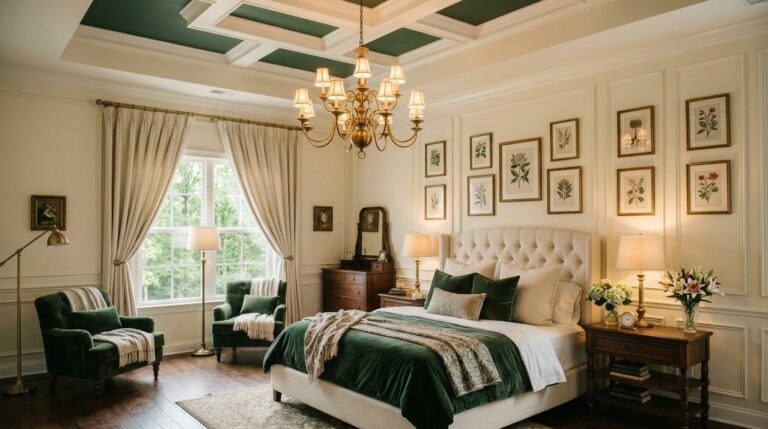
- Create a small gallery wall of framed artwork, photographs, and prints that genuinely move you
- Display meaningful objects on a shelf — a souvenir from travel, a gift from someone you love, something that makes you smile every time you see it
- Use a piece of art as your headboard — a large canvas hung low behind the bed works beautifully as an alternative to an upholstered headboard
- Bring in a decorative object that tells a story, whether it’s a vintage ceramic vase, a handwoven textile, or a stack of books you’ve actually read
Your master bedroom should be a reflection of your inner world — the things you love, the places you’ve been, the person you are when no one else is watching.
Bringing It All Together
You don’t have to do all 16 of these at once. In fact, please don’t — a room that gets a complete overhaul overnight rarely feels as good as one that evolves thoughtfully over time.
Pick two or three ideas that spoke to you most. Maybe it’s the layered bedding, a statement headboard, and better lighting. Or a dark accent wall paired with natural wood elements and a cozy reading corner. Start there. Live with it for a few weeks. Let the room show you what it still needs.
The best master bedrooms are never finished — they grow with you, reflect your changing taste, and always, always feel like home.
Because that’s exactly what your bedroom should be: not just a room where you sleep, but a space where you genuinely, deeply rest.